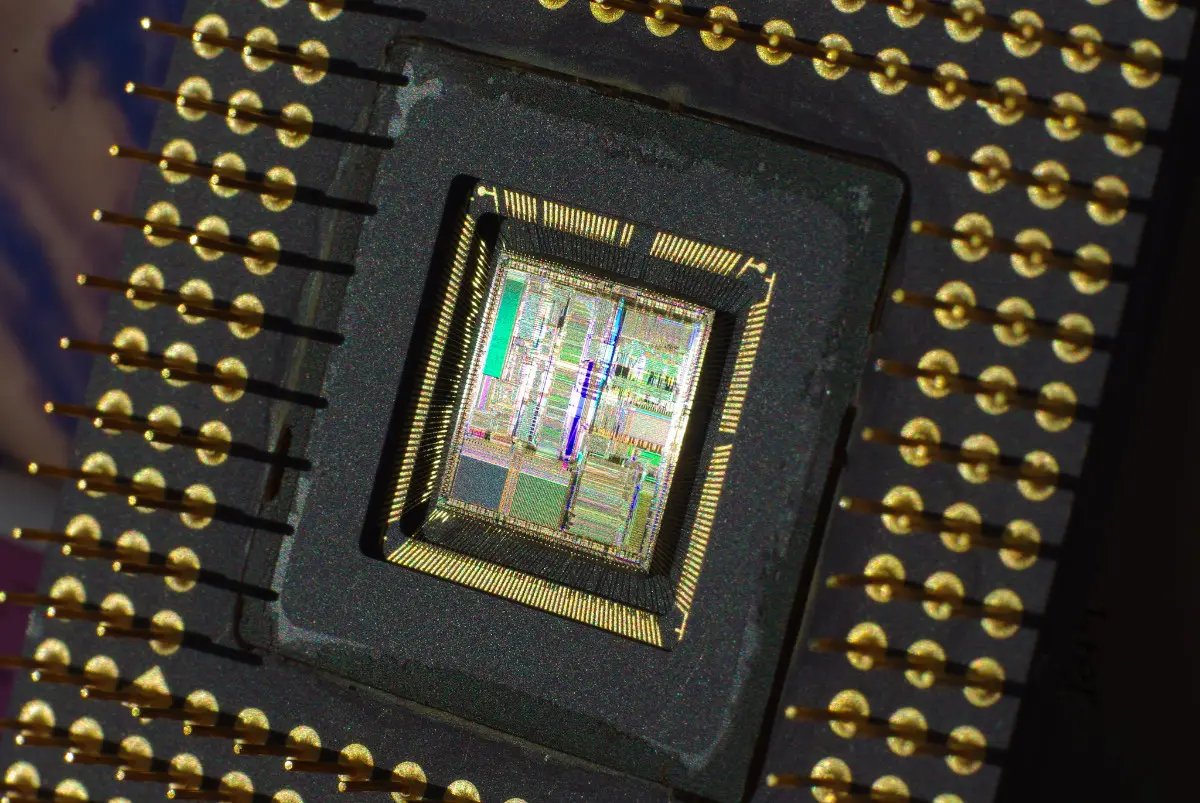
Oracle has canceled a five-year, $7 billion deal to lease up to 100,000 advanced AI chips to Tencent, unwinding one of the largest cross-border arrangements in the global race to build artificial intelligence computing capacity.
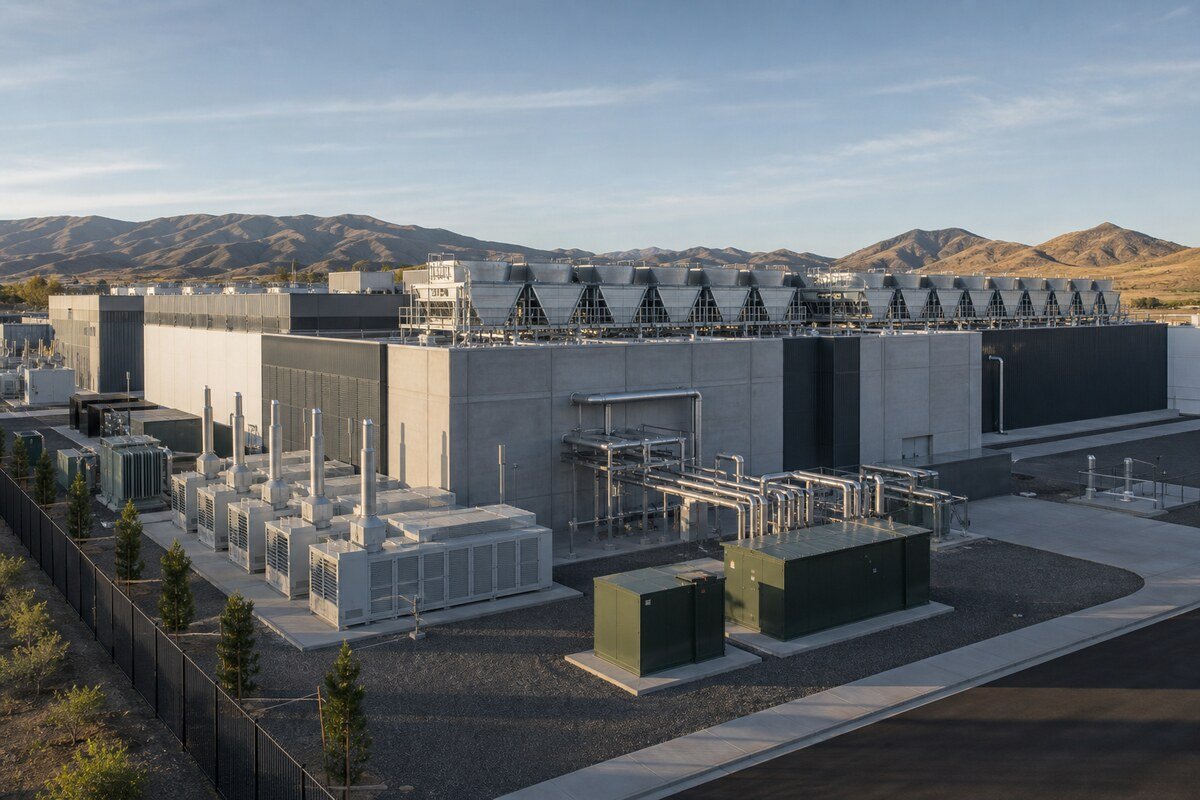
The agreement would have placed the chips in data centers across Southeast Asia, giving the Chinese technology company access to advanced computing power through Oracle's infrastructure rather than through direct purchases. Its cancellation removes a significant piece of committed demand from the AI hardware market and raises questions about the durability of similar arrangements built during the industry's rapid expansion.
The decision lands at a moment when the politics of the AI build-out are shifting quickly in the United States. Analysts have warned that increased Democratic control following the midterm elections could restrict data center development — and with it, threaten the roughly $900 billion AI capital expenditure cycle that has powered investment across chips, servers, power equipment and construction.
That warning is no longer abstract. Voters in dozens of U.S. cities approved restrictions or outright bans on data centers in Tuesday's elections, and Texas elected a governor, Gina Hinojosa, who campaigned on tougher rules for the facilities. For an industry whose growth plans assume a steady supply of new sites, power and permits, the accumulation of political obstacles is becoming a material business risk — one reason stocks tied to AI infrastructure lagged even as the broader market rallied after the election.
Against that backdrop, the industry's biggest spenders are still spending. Meta raised $15 billion through a bond sale to fund AI infrastructure, a financing that underlines how central debt markets have become to the build-out. Companies are borrowing at enormous scale to construct data centers and buy chips, on the expectation that demand for AI computing will justify the outlay.
The contrast between Meta's $15 billion raise and Oracle's canceled $7 billion arrangement captures the industry's crosscurrents: capital remains available and ambitions remain large, but the assumptions underneath individual deals — about politics, geography and regulation — are being repriced in real time.
For Oracle, walking away from a five-year, $7 billion commitment is a significant step, whatever its reasons. For the wider market, the cancellation is a data point in a new debate: whether the roughly $900 billion cycle of AI capital spending, built in an era of permissive politics, can proceed at the same pace in an era when data centers have become a contested issue in elections from city halls to Congress.