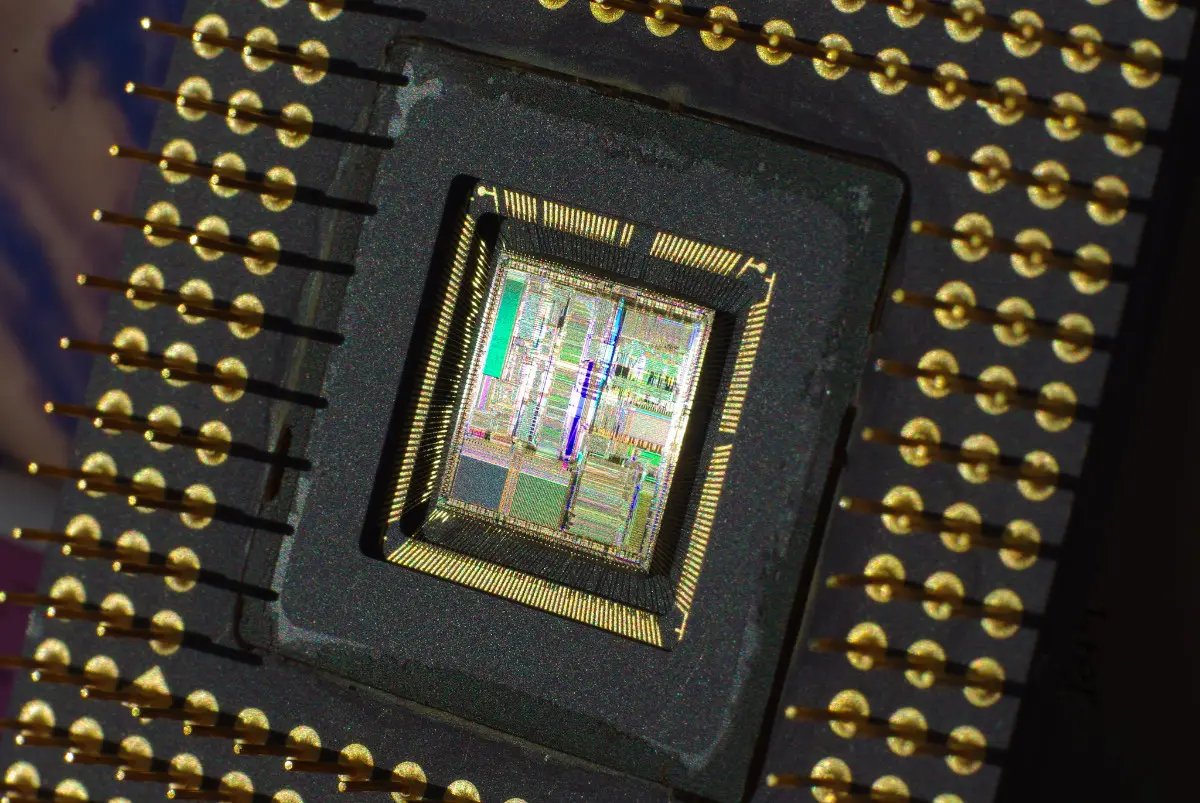
Advanced Micro Devices reported a third quarter that underlined its position as one of the principal beneficiaries of the artificial intelligence building boom. Revenue rose 45 percent from a year earlier to $13.38 billion, ahead of the $13.09 billion analysts had expected.
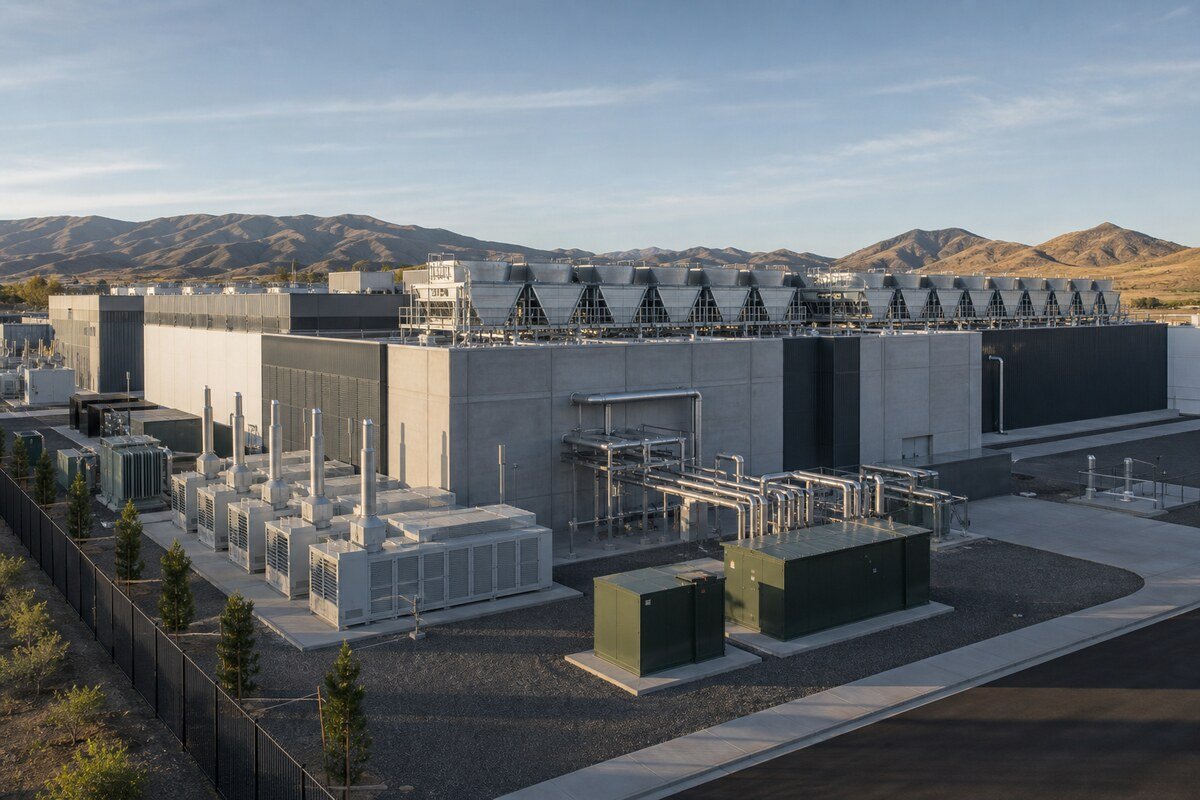
The engine of the growth was the company's data center business. Revenue from that segment jumped 97 percent to a record $8.55 billion, as operators of large AI computing facilities continued to buy processors and accelerators at a pace that has reshaped the semiconductor industry. The near-doubling of the segment in a single year illustrates how thoroughly demand for AI computing capacity now dominates the chip market.
AMD paired the results with an outlook that also came in ahead of Wall Street's expectations. The company forecast fourth-quarter revenue of about $17 billion, above the $16.23 billion analysts had expected — a guide that suggests management sees demand carrying its momentum into the end of the year rather than cooling.
Alongside the earnings, AMD separately disclosed a significant acquisition: it is buying Taalas, a startup focused on AI inference chips, for approximately $2.9 billion. Inference — the process of running trained AI models to answer queries and perform tasks — is the stage of AI computing that grows as models move from laboratories into everyday products, and it has become one of the most contested areas of chip design.
The Taalas deal signals that AMD intends to compete across the full span of AI computing, not only in the powerful processors used to train models but in the specialized hardware used to deploy them at scale. At approximately $2.9 billion, the acquisition is a substantial bet on a young company, and it will be judged on how quickly its technology can be folded into AMD's product lines.
The results landed in a market newly sensitive to the politics of the AI build-out. Stocks tied to AI infrastructure were under pressure in the post-election rotation, as investors weighed the implications of Democratic control of Congress and local votes restricting data centers. AMD's numbers were a reminder of the counterweight to those concerns: the underlying demand for computing power, at least for now, continues to grow at an extraordinary rate.
With third-quarter revenue of $13.38 billion, record data center sales of $8.55 billion, a fourth-quarter forecast above expectations and a $2.9 billion acquisition in motion, AMD exits the quarter having strengthened its claim to be the leading alternative supplier in the market for AI chips.