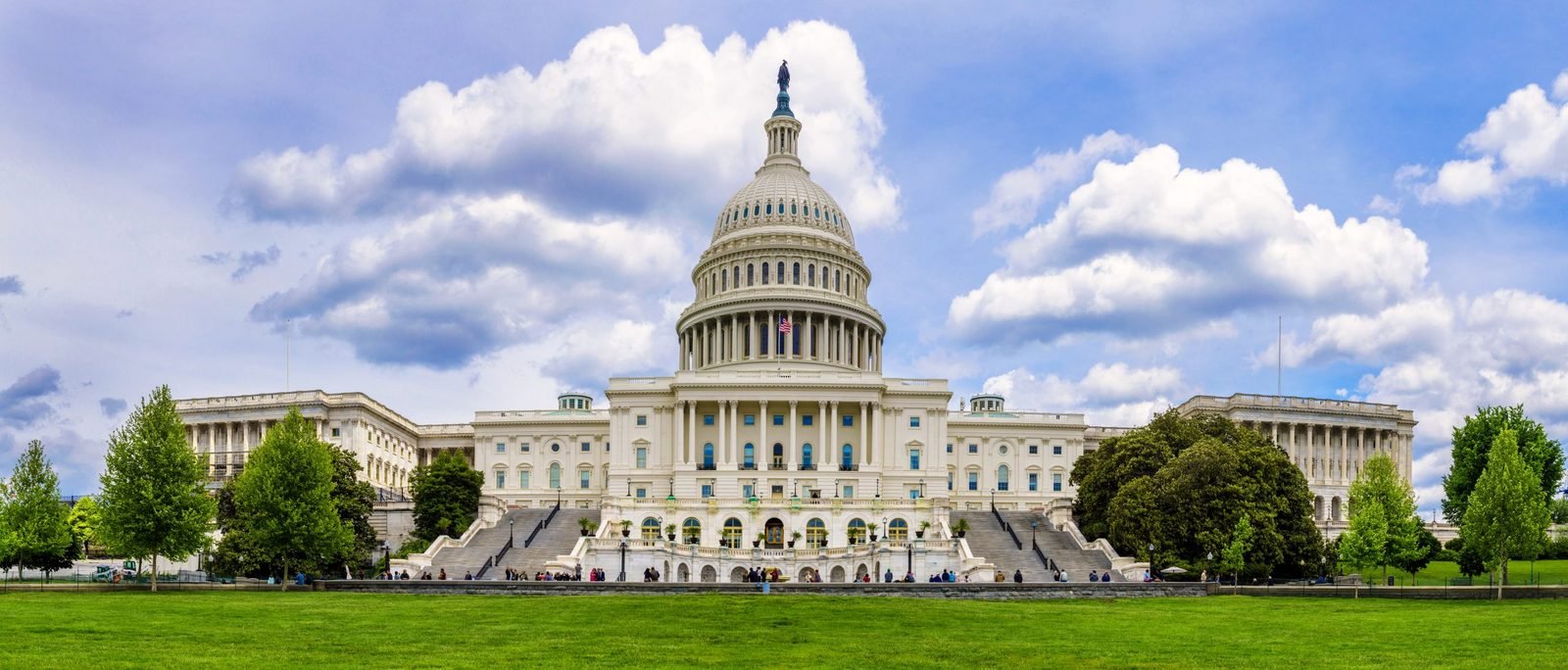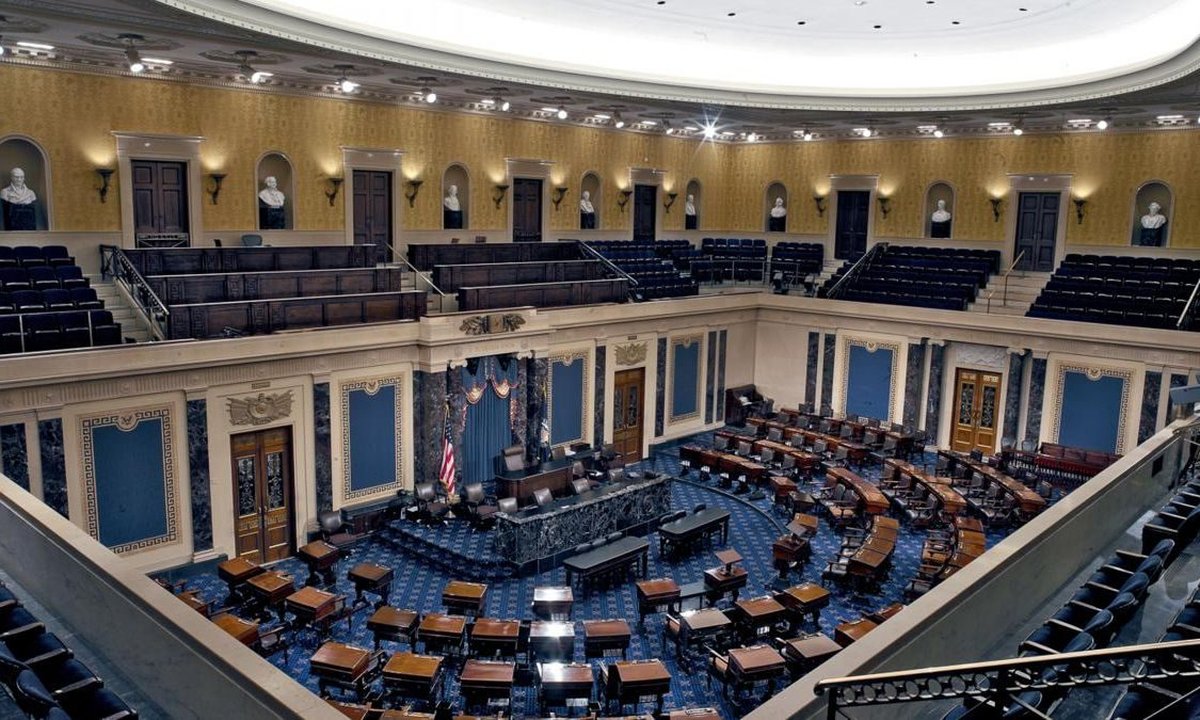
Chuck Schumer did not hedge. After the elections, the Senate Democratic leader said the United States would end the conflict with Iran.
That is a promise from the man who is about to run the Senate. Democrats take both chambers on January 3, 2027, and their leader has now attached his name to an outcome: this war ends.
Markets heard him. Oil fell below $100 a barrel on post-election peace hopes — Brent traded around $97 and West Texas Intermediate dropped more than 8 percent to about $88.12. Traders were not just pricing an election. They were pricing the possibility that the Strait of Hormuz, and the war around it, might finally quiet down. The Dow jumped more than 1,570 points on the move.
The diplomacy is real, and it is moving. Qatar is pushing for a deal, stepping up its role as intermediary between Washington and Tehran.
Now the hard part. Iran has rejected the U.S. response to its Hormuz demands. That is the sticking point, stated plainly: Tehran made demands about the strait, Washington answered, and Tehran said no. Whatever Schumer's intentions, the war does not end on an American schedule alone.
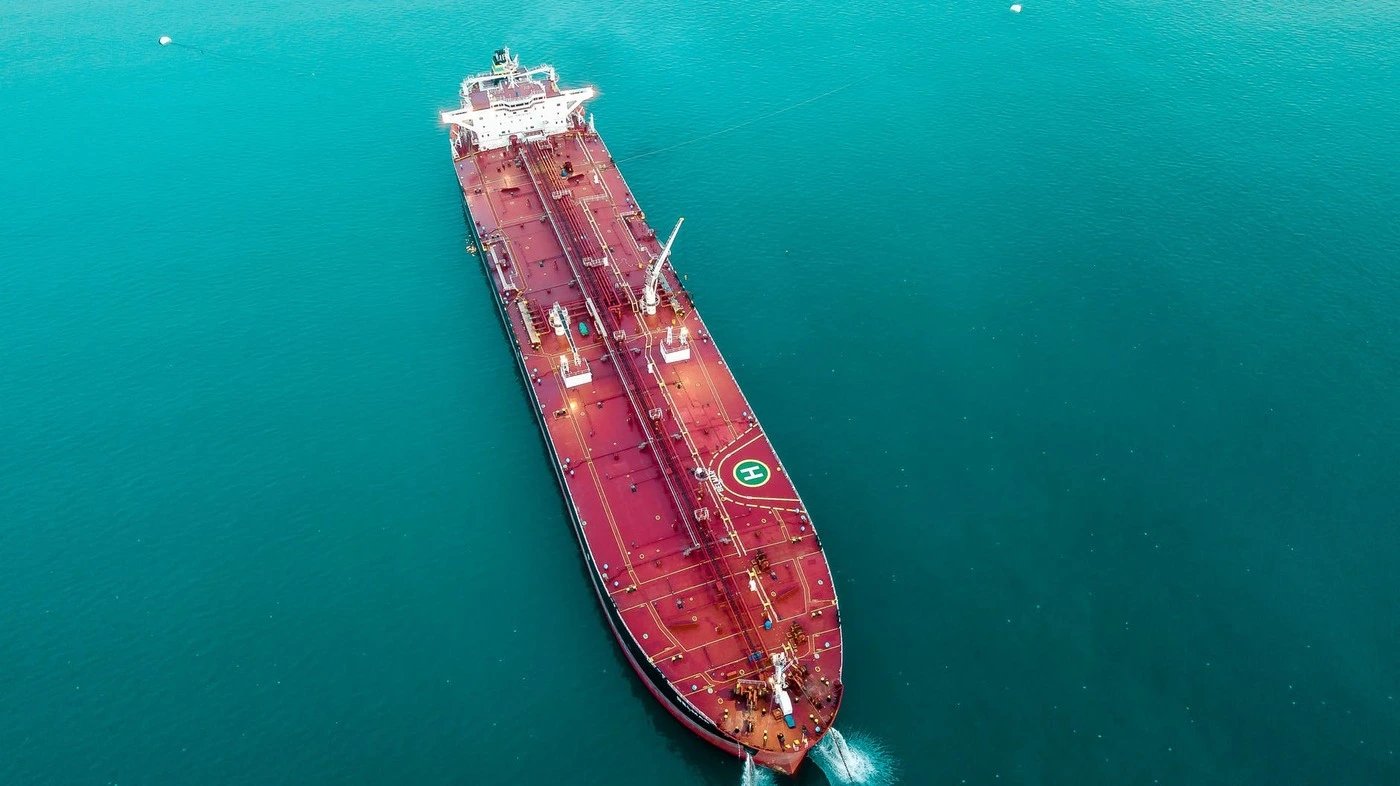
And the shooting has not stopped. Iran's Revolutionary Guard reported two tankers and a tugboat on fire in the strait — reports not independently confirmed. The U.S. carried out limited strikes on Qeshm Island after its aircraft were fired on. Washington has also announced fresh sanctions on Iranian military procurement and maritime networks.
President Trump, for his part, said the U.S. currently has no plans for military action, and acknowledged the war cost his party votes — while insisting he would launch the operation again. His vice president was blunter: JD Vance blamed the war, openly, for the Republican defeat.
So the pieces sit like this. A Senate leader promising an end. A mediator pushing a deal. An Iran that just rejected the latest terms. Tankers reportedly burning in the world's most important oil chokepoint, and oil below $100 because traders are betting the diplomats win.
It is a bet, not a fact. But for the first time in this conflict, it is the bet the whole market is making.
Schumer's statement also hands the incoming majority an early test of its own credibility. He has promised an outcome that depends on Tehran as much as on Washington — on Iran accepting terms it has so far rejected, and on a White House that still controls the military and the sanctions. Between now and January 3, every report from the strait and every move in the oil market will be read against his promise.
Congress is preparing its part regardless. Democrats are readying oversight of the Pentagon, and Congressman Ro Khanna plans a bill within weeks to cut off the war's funding. If diplomacy stalls, the new majority has other levers — and it has already shown them.