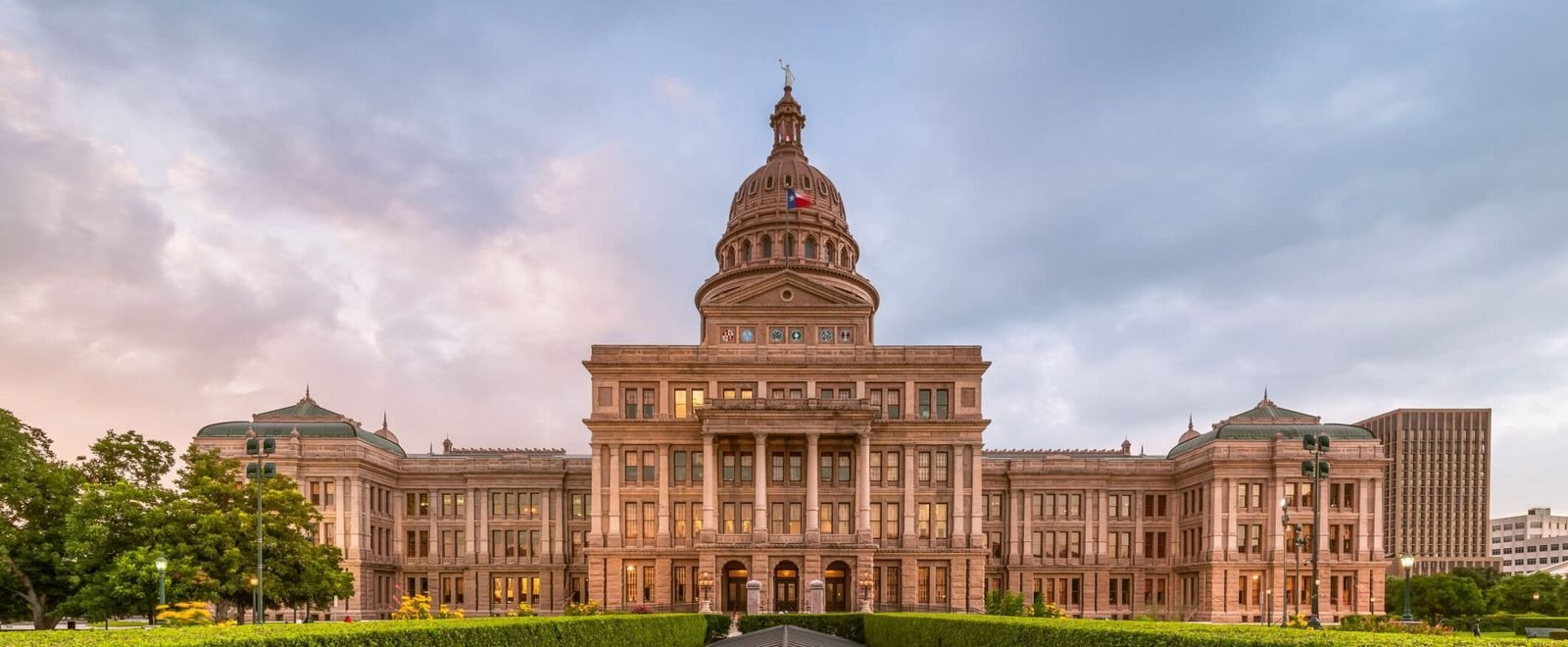
AUSTIN — Texas voters have elected Democrat Gina Hinojosa as governor, handing the state's top office to a candidate who campaigned on a promise of tougher rules for data centers. The victory was one of the most notable state-level results of Tuesday's midterm elections and placed the rapid growth of data center development at the center of Texas politics.
Hinojosa's promise of stricter oversight spoke to concerns that have grown alongside the facilities themselves. Data centers — the large industrial buildings filled with computer servers that power cloud services and artificial intelligence — have expanded quickly across Texas and much of the country, bringing with them debates over electricity demand, water use, land and the terms on which local communities host them.
Texas was not alone in turning those debates into ballot questions. Citizens in dozens of U.S. cities approved restrictions or outright bans on data centers in Tuesday's elections, a wave of local decisions that suggests the politics of the industry's expansion are shifting from zoning boards and planning commissions into mainstream electoral contests.
The local votes varied in form — some communities chose tighter restrictions on where and how facilities can be built, while others approved outright bans — but they shared a common thread: voters asserting direct control over whether large-scale computing infrastructure is welcome in their communities, and on what terms.
For the technology industry, the results add a new layer of political risk to an enormous build-out. Analysts have warned that increased Democratic control could restrict data center development, a concern now reinforced by ballot outcomes at the municipal level as well as by a governor-elect in Texas who made tougher rules a signature promise.
The Texas result also formed part of a broader Democratic night. The party won both chambers of Congress, flipped seven Senate seats and elected hundreds of candidates down the ballot. That a Democrat won the governorship of Texas — the country's second-most populous state and a center of the data center industry's growth — was among the clearest signs of the scale of the shift.
Hinojosa will now be expected to translate her campaign promise into policy. What tougher rules will mean in practice — for facilities already operating, for projects under construction and for companies deciding where to build next — will be among the first tests of her administration, and one watched closely by an industry whose expansion plans depend on political as well as electrical capacity.
In the dozens of cities that voted on restrictions and bans, implementation will play out locally over the coming months. Taken together, Tuesday's results suggest that the future geography of the data center industry will be decided not only by power prices and fiber networks, but by voters.