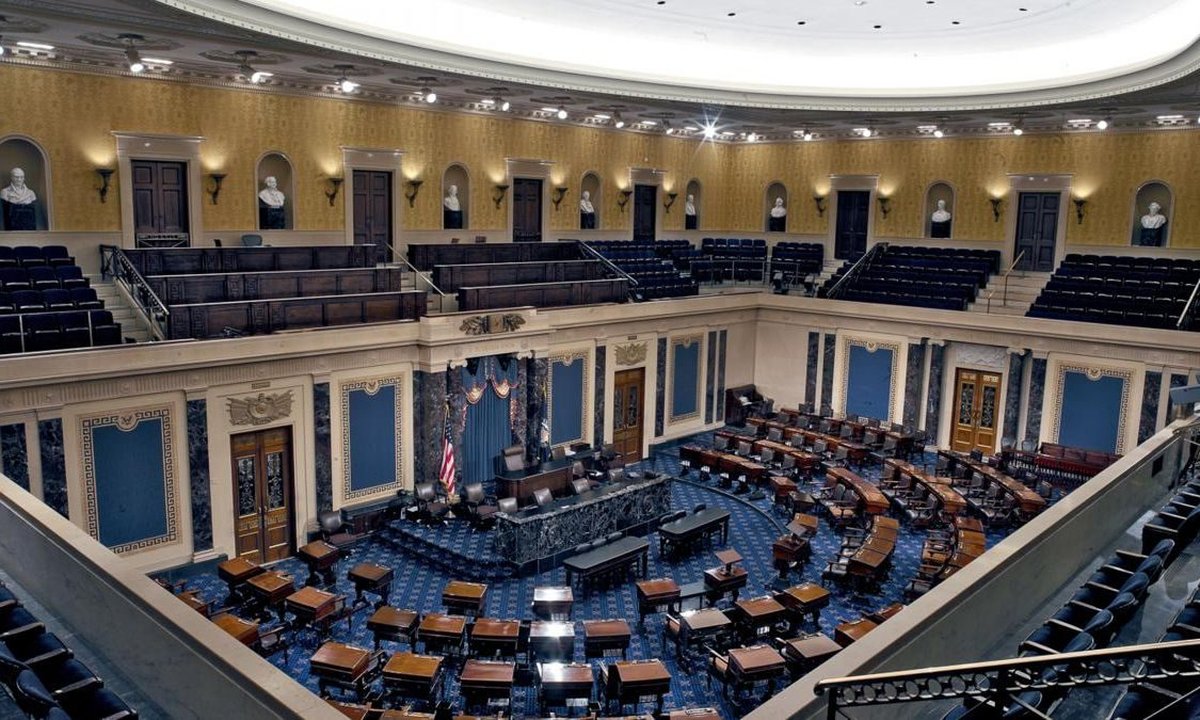
Kyiv did not wait for the swearing-in. Ukraine's President Zelenskyy is already looking to the Democrats' takeover of Congress for more U.S. aid to Ukraine.
The logic is simple, and Zelenskyy has never been shy about following it. Congress holds the money. After Tuesday, Democrats hold Congress — both chambers, at least 250 House seats and at least 54 in the Senate, according to CNBC. If you are a wartime president whose survival depends partly on American appropriations, you read the election results and you start making your case to the people who won.
He is making it early. The new Congress is not sworn in until January 3, 2027, but aid battles are won in the weeks of agenda-setting before the gavels change hands. Zelenskyy knows the calendar as well as anyone in Washington does.
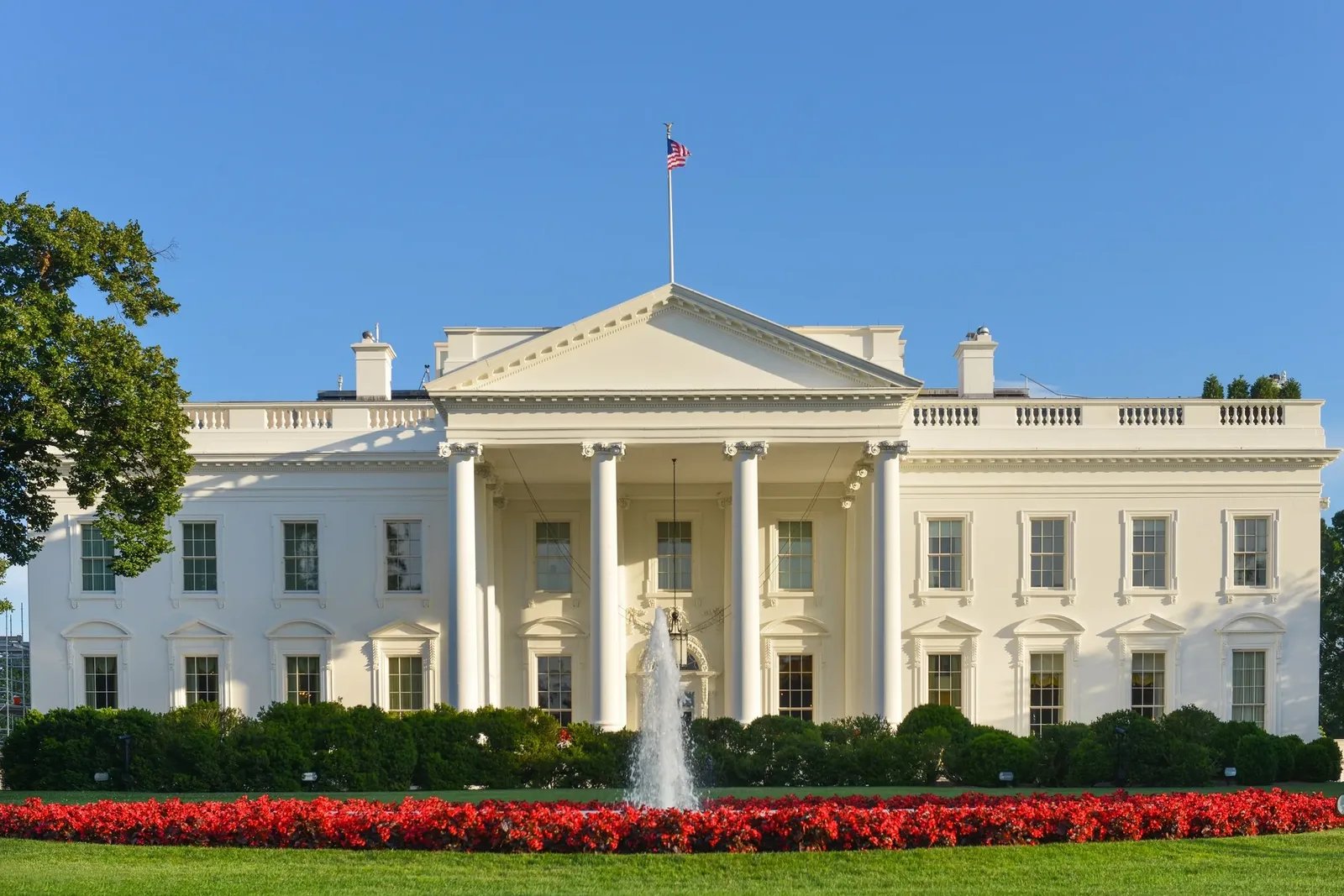
The diplomatic traffic is already flowing through the White House. On Thursday, first lady Melania Trump will speak there with Russian and Ukrainian representatives about a brief Kherson ceasefire tied to evacuations — a small, concrete piece of diplomacy, focused on getting people out of danger.
Zelenskyy's ask is bigger than a ceasefire window. It is about the flow of American support itself, and whether a Democratic Congress will expand it. That question now sits with the incoming majority, alongside everything else the election just handed them: oversight of the Pentagon, a looming debt ceiling fight in 2027, and a promise from Senate leader Chuck Schumer that the United States will end the conflict with Iran.
American foreign policy is about to have two power centers again. The White House keeps the presidency. Congress — newly Democratic, freshly mandated — controls the funding. Allies and adversaries alike spent Tuesday night doing the same math Zelenskyy did.
He just did it fastest, and said so out loud.
For Democrats, the question arrives early in a crowded majority. They won Congress on inflation — about two-thirds of midterm voters blamed the president's policies for rising prices, according to the AP Voter Poll — on oversight, and on ending the Iran conflict. Ukraine aid will compete with all of it for attention, floor time and money. Zelenskyy's quick move is a recognition that the queue in Washington forms fast, and that the requests a new majority hears first tend to be the ones it remembers when the votes are called.
There is also a message in it for the White House. Foreign leaders are recalculating where American decisions get made. When the president of Ukraine starts his lobbying with the incoming Congress before it has even been sworn in, he is telling the world — and the administration — that he has read the election results the same way everyone else has.