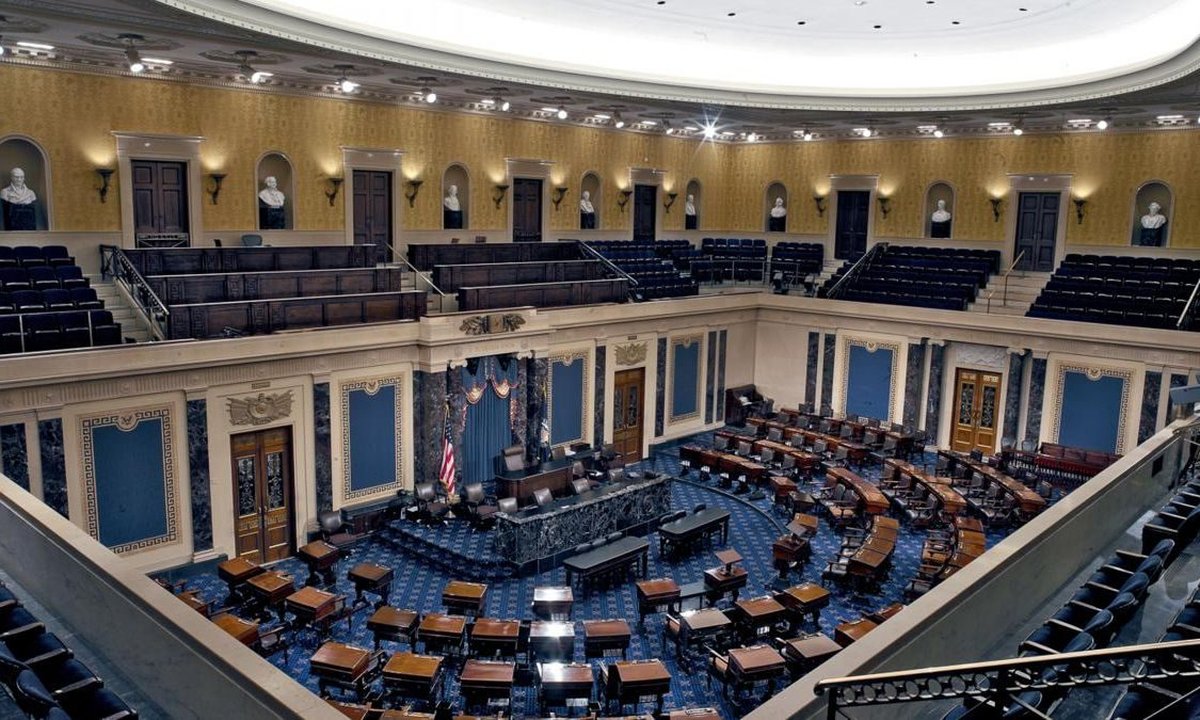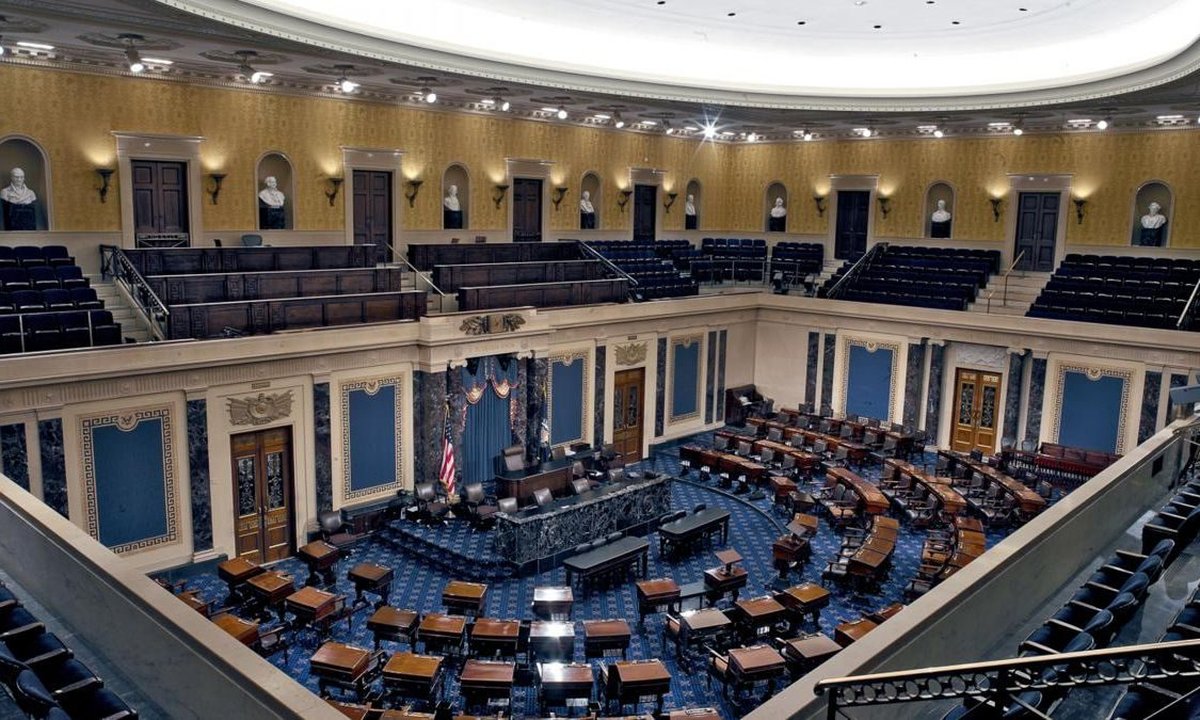
The new Congress does not take office until January 3. Ro Khanna is not waiting to make his intentions clear.
The congressman told ANI he plans to introduce a bill in November or December to stop funding the Iran war. Not a resolution. Not a statement. A bill — aimed at the money.
That choice of weapon matters. Congress has many ways to object to a war, and most of them are decorative. Funding is not. Armies run on appropriations, and a legislature that controls both chambers — as Democrats now will, with at least 250 House seats and at least 54 Senate seats, according to CNBC — can put real weight behind a demand to end a conflict.
Khanna's timing is its own message. November or December means the bill lands before the new Congress is even sworn in, setting the terms of the first fight of 2027 before the administration can set them itself.
He is not arguing in a vacuum. The war just cost Republicans an election, and their own side said so. Vice President JD Vance openly blamed the war with Iran for the Republican loss. President Trump acknowledged the conflict cost his party votes — though he said he would launch the operation again.
And on the Democratic side, the leadership is pointing the same direction. Senate Democratic leader Chuck Schumer said after the elections that the United States would end the conflict with Iran.
Put those pieces together and a strategy comes into focus: hearings, pressure, and then the purse. Democrats campaigned into a majority that voters handed them, in part, because of this war. Khanna's bill is the first attempt to convert that verdict into policy.
The White House will have its say. So will the calendar — war funding fights are slow, grinding things. But the opening move has been announced, weeks before the new Congress even exists.
That is how confident the incoming majority is feeling this morning.
The bill, when it comes, will test more than the war. It will test how far a new majority is willing to go against a president of the opposing party on the gravest question Congress answers — which wars get funded, and which do not. Incoming majorities usually spend their first months on safer ground. Khanna has chosen to ask the hardest question first, and to ask it out loud, on the record, before the new Congress has even been seated.
Expect the argument to run through the winter. The funding fight lands in the same season as Congress's other early confrontations with the White House — oversight of the Pentagon, pressure on the Homeland Security Department, and, waiting in 2027, the debt ceiling. The war bill will be one front in a much wider contest over who governs.