Start in Texas, because Texas is where the streak died.
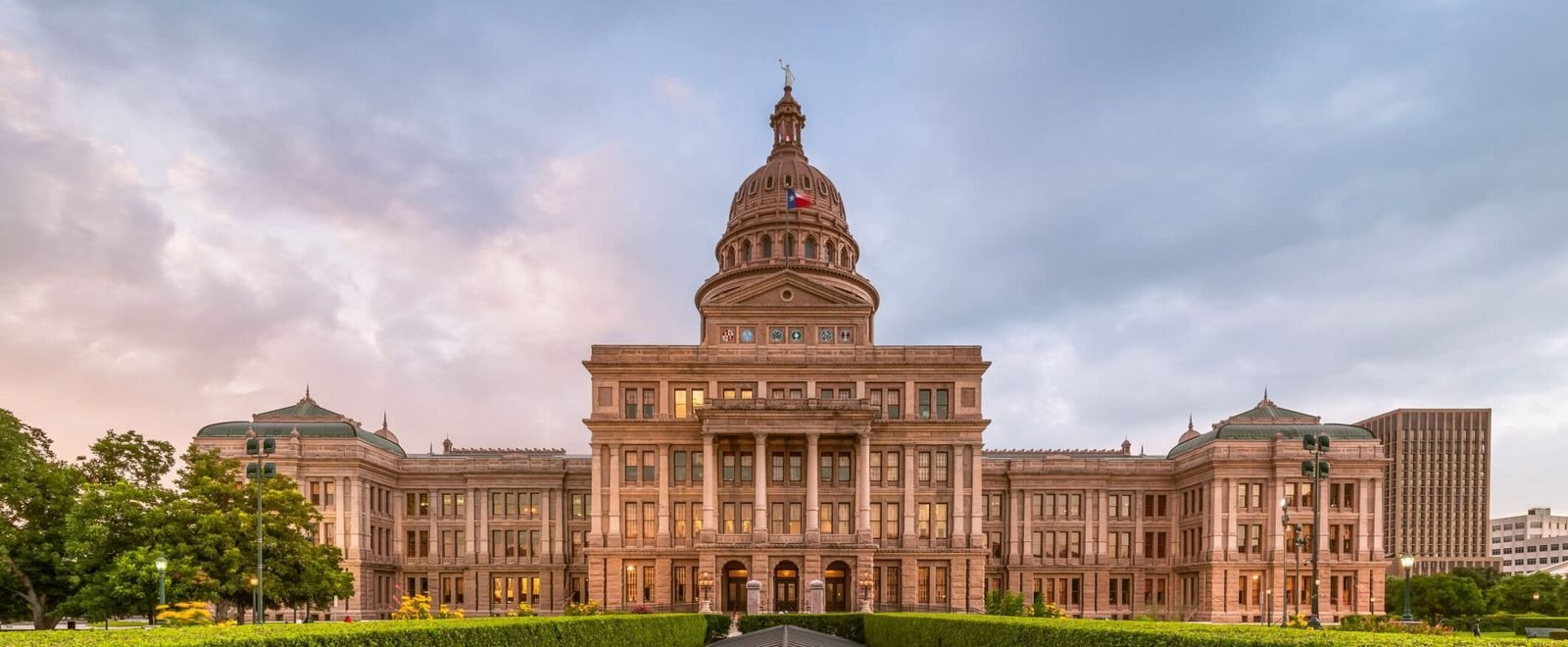
Gina Hinojosa beat Greg Abbott and took the governor's office, ending a 31-year Republican hold on it. She is the first Latino elected governor of Texas. Sit with that for a second. A state that has not elected a Democrat governor in three decades just did — and it picked a candidate who made history doing it.
She was not alone. Not even close.
In New Mexico, Deb Haaland became the first Native American woman elected governor. In Georgia, Keisha Lance Bottoms became the first Black woman elected governor of a state — any state. In California, Xavier Becerra became the first Latino elected governor.
Read those three sentences again. Each one is a first. All of them happened on the same night.
The Senate got its own pair of firsts. Chris Pappas of New Hampshire became the first openly gay man elected to the U.S. Senate. Abdul El-Sayed of Michigan became the first Muslim elected to the Senate.
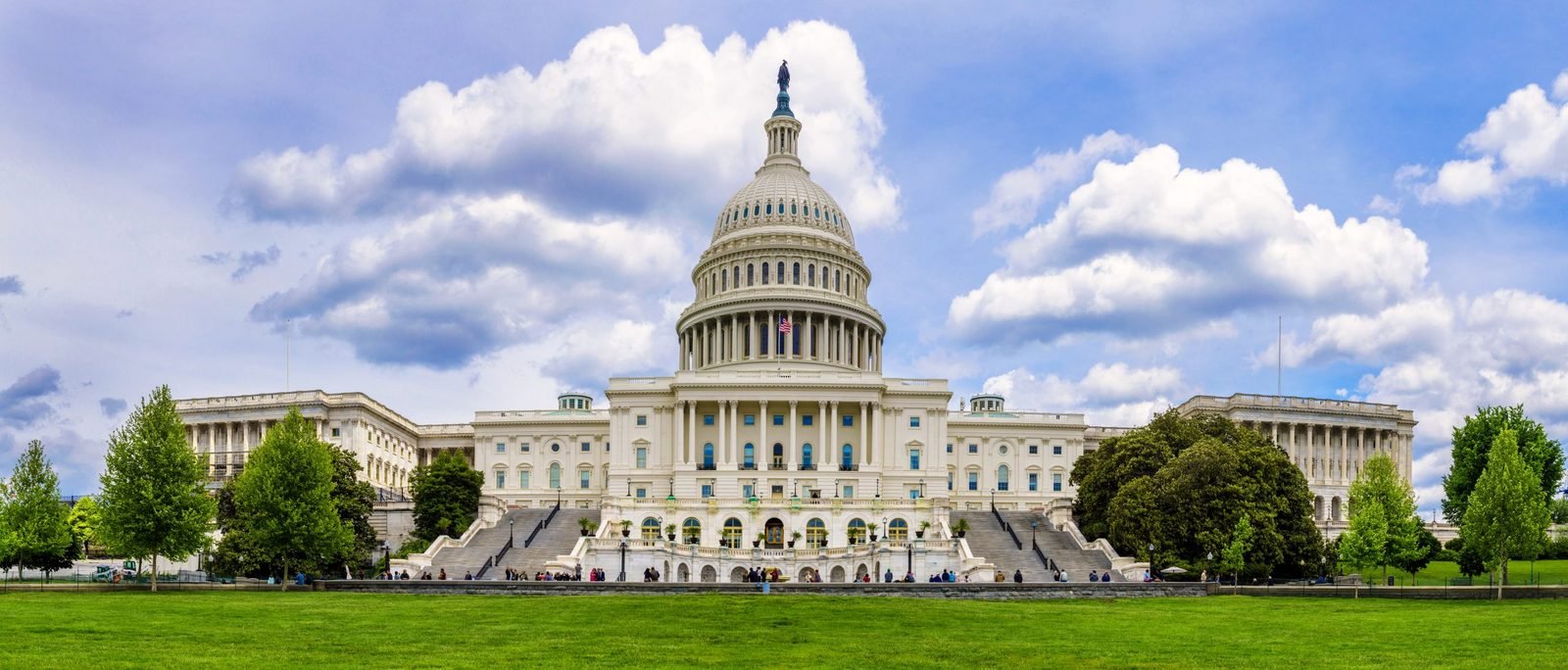
This is what a wave looks like up close. By the topline numbers, Democrats took both chambers of Congress — at least 250 House seats and at least 54 in the Senate, according to CNBC. Impressive, sure. But waves are usually measured in seats. This one will also be measured in who is holding them.
Governors matter, and not just as trivia answers. They run states. They sign or veto the laws that govern daily life, they control budgets, they appoint judges and officials by the hundreds. Four governorships changed hands into historic firsts in a single night, and each of those winners now holds real power for years.
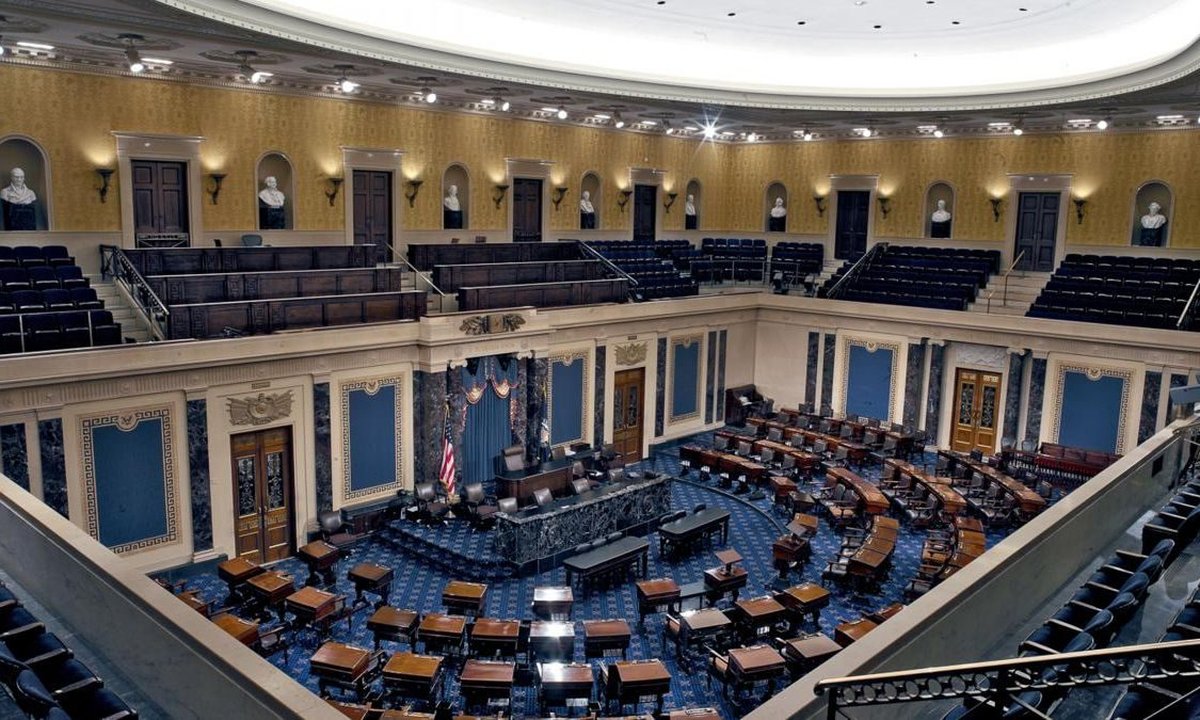
The Senate firsts land differently. The Senate is the smaller, slower, more tradition-bound chamber. Pappas and El-Sayed will take their seats when the new Congress is sworn in on January 3, 2027, and their presence there will be noted every single day — by colleagues, by cameras, and by kids watching who never saw anyone like themselves in that room.
None of this happened by accident. Firsts like these require candidates willing to run where people who look like them have not won before, and voters willing to ignore the old assumptions about who can win where. On Tuesday, in state after state, voters ignored them.
By morning, the map had new colors on it. So did American politics.