Four hundred and forty million dollars. That is what Elon Musk reportedly spent on this election.
It did not work. And Zohran Mamdani wanted everyone to know it.
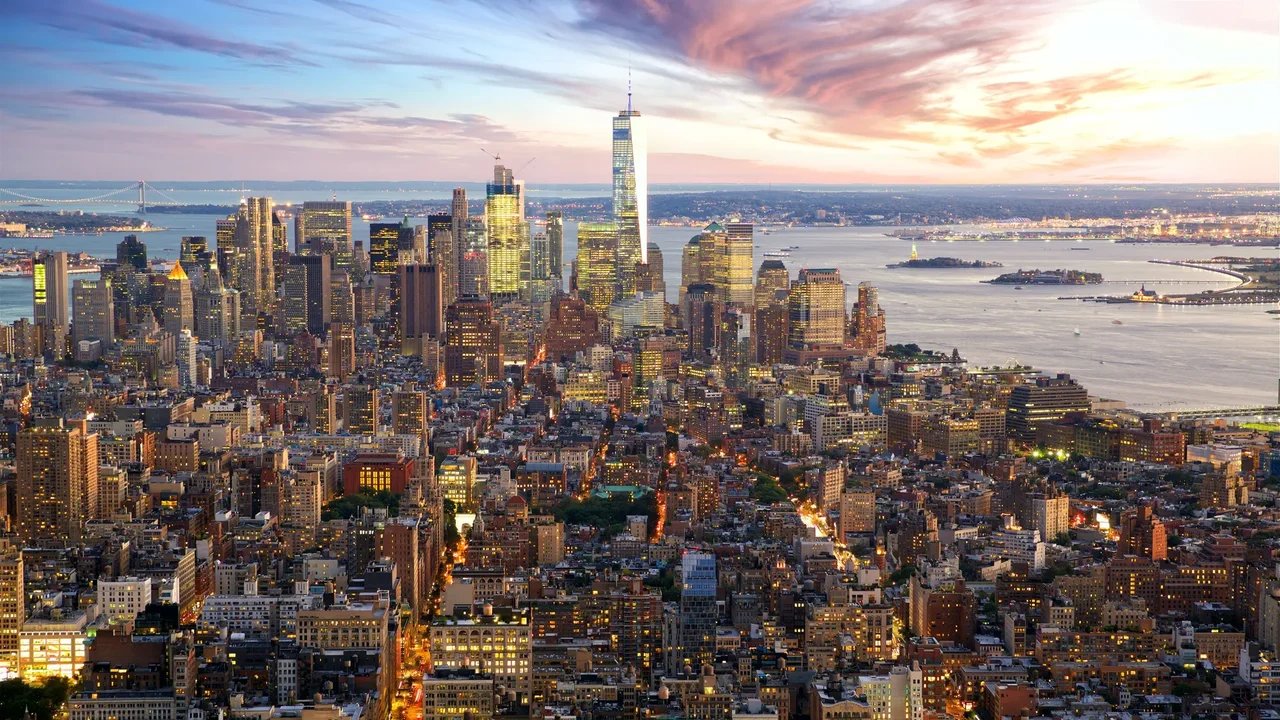
Reacting to the midterm results, Mamdani said the outcome showed that Musk's reported $440 million in election spending could not sway voters. His summary was shorter: 'money can't buy elections.'
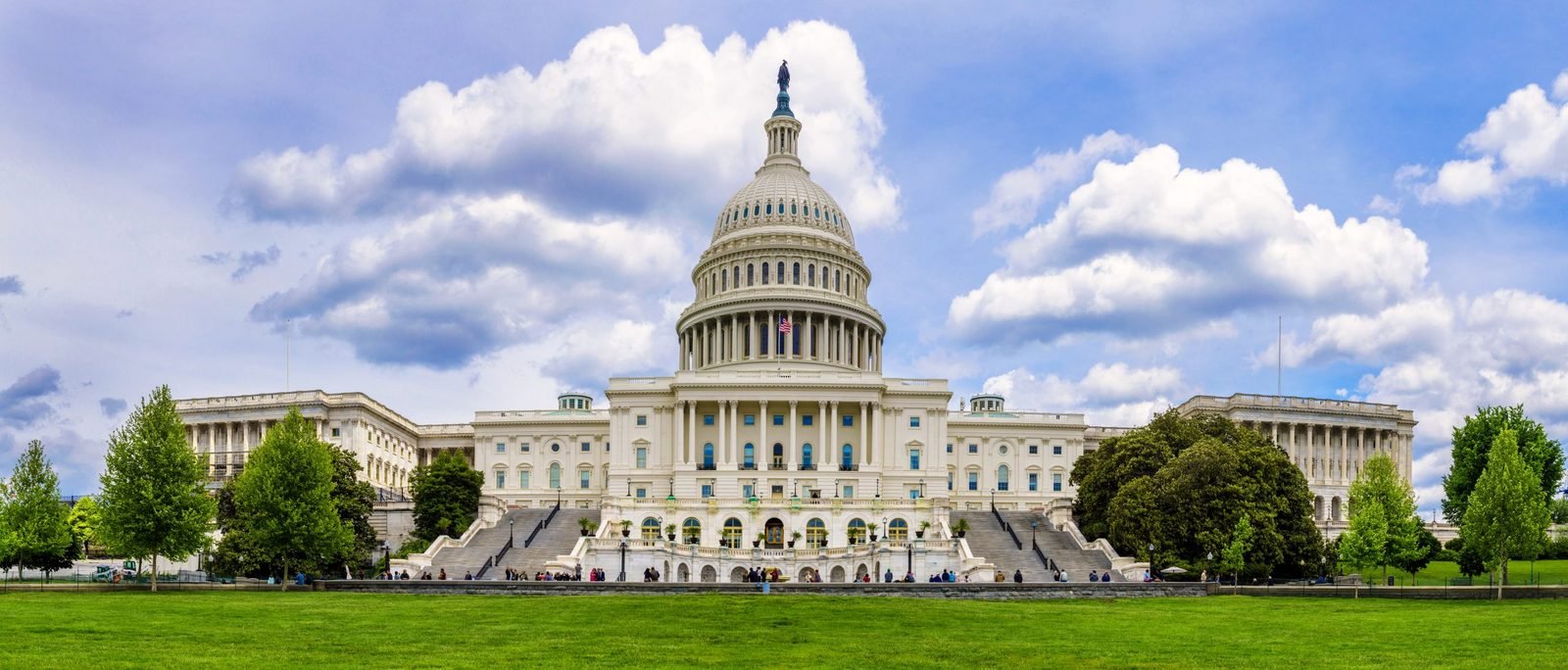
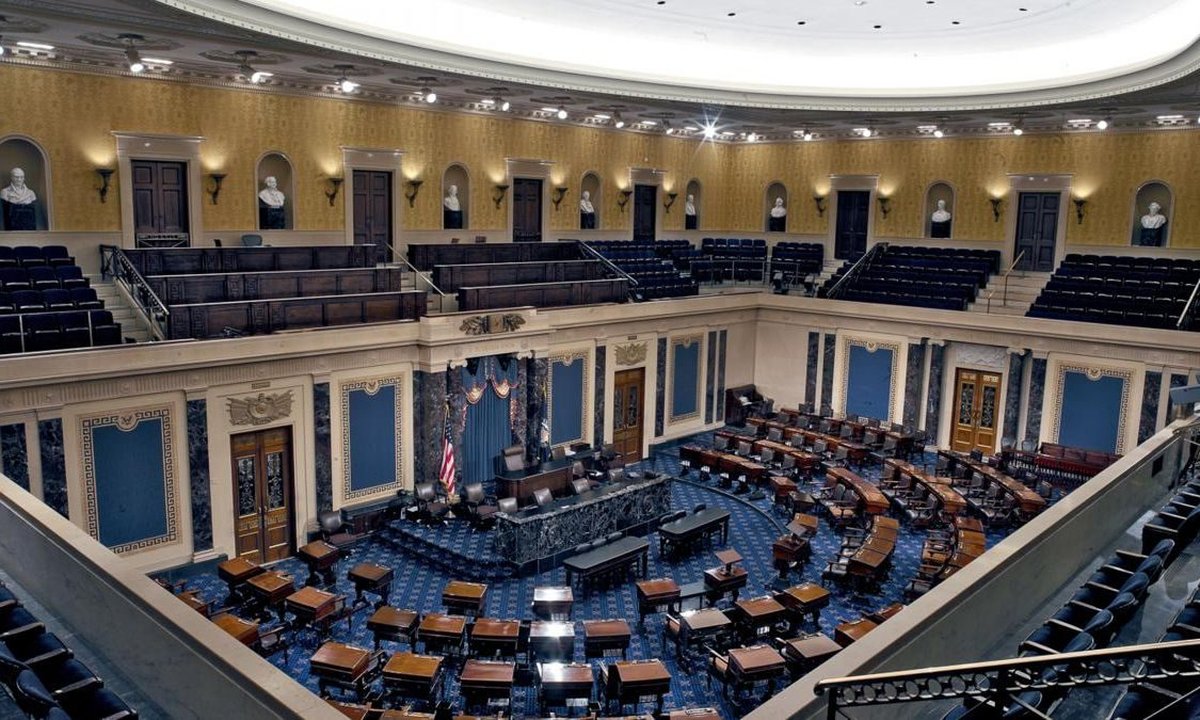
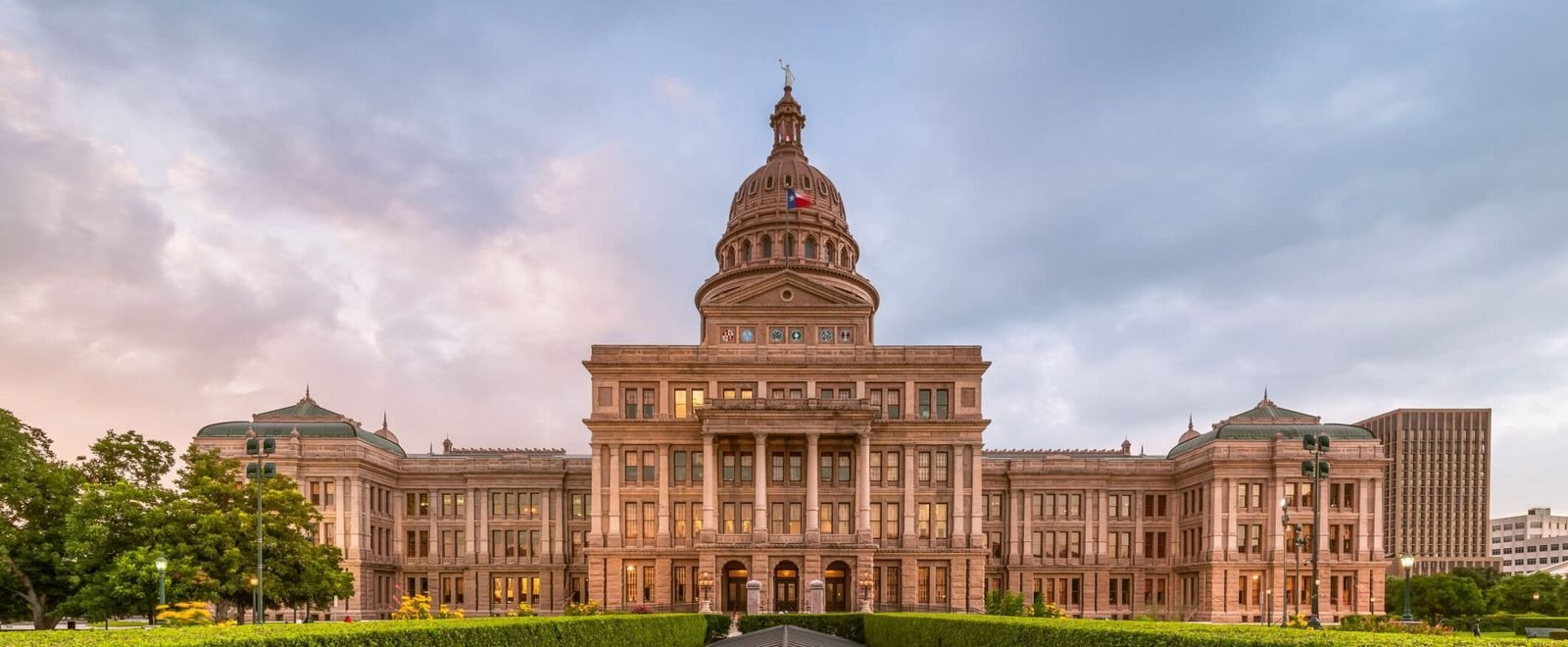
It is a line built for a night like this one. Democrats took both chambers of Congress. They flipped seven Senate seats. They won governorships from Texas to Georgia to California, and they won House races in districts Republicans had redrawn to protect themselves. If money was supposed to stop that, the money failed — publicly, expensively and completely.
Mamdani's argument was not really about accounting. It was about agency. Americans, he said, turned out to vote for the future they wanted — and they did it regardless of campaign money. The spending was noise. The turnout was the signal.
There is a reason this lands. The richest man in the world spending a reported $440 million in a single election cycle is not a normal feature of democracy; it is the kind of number that makes ordinary voters feel like spectators at their own election. Tuesday's results gave the other side of that argument its best evidence in years: voters showed up in enormous numbers and delivered a verdict the spending could not prevent.
Skeptics will note, fairly, that money still matters in American politics — in most races, most of the time, it does. Mamdani's point was narrower and, on this night, hard to argue with: at this scale, against this electorate, it was not decisive.
The billionaire wrote the checks. The voters wrote the result.
And the result was a Democratic Congress, a flipped map, and a quote that will follow every big spender into the next cycle: money can't buy elections.
His remarks also carried a warning for future cycles. Campaign money is not going anywhere — the next election will have its own nine-figure spenders, and the machinery that moves that money is permanent. But after Tuesday, every candidate facing an opponent backed by enormous wealth has a ready answer, and something no previous cycle could offer: a fresh, national election result to point to while giving it.
That may be the most durable thing Mamdani said. Money retains its power in the races nobody watches. His argument is about the races everybody watches — the ones where voters are paying close attention and turning out in force. In those, on this evidence, $440 million was not enough.