That did not take long.
One day after their midterm landslide, Democrats turned the screws on President Trump's Department of Homeland Security. Not next month. Not after the swearing-in. The day after.
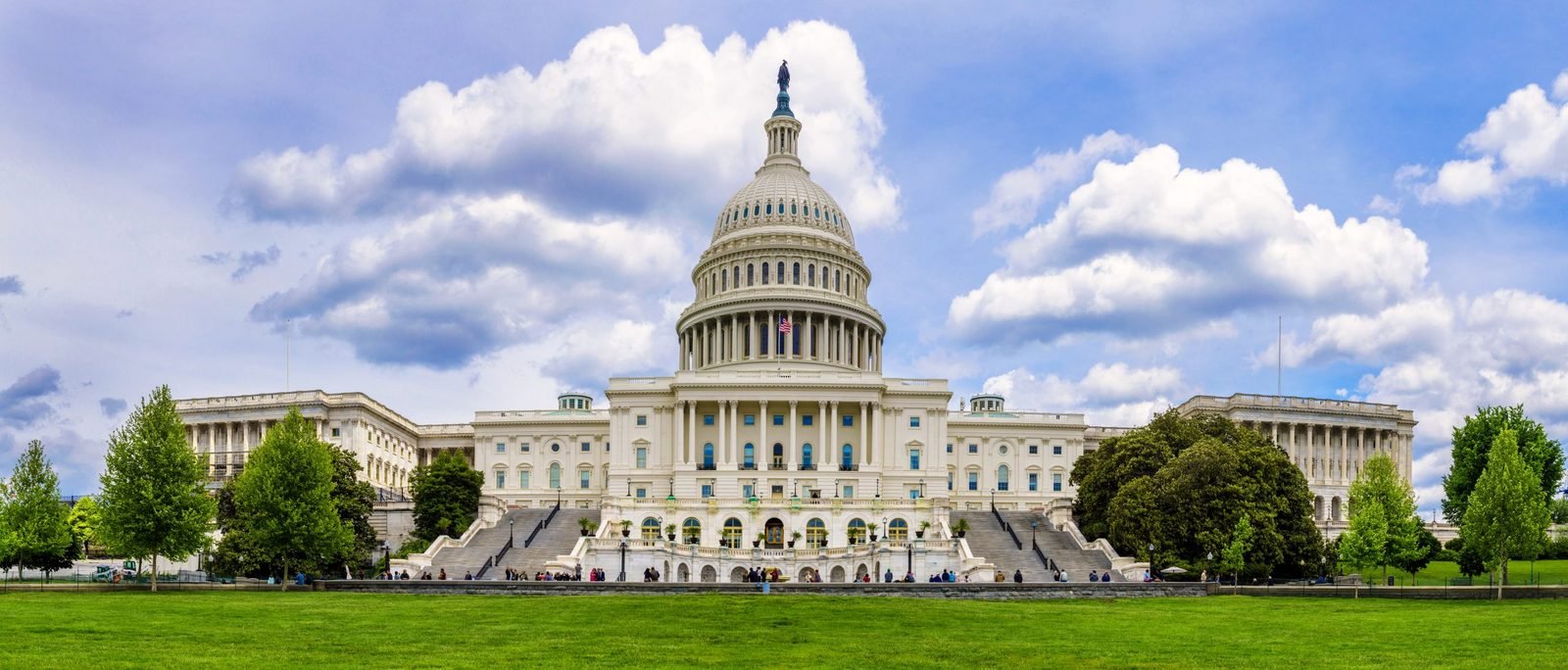
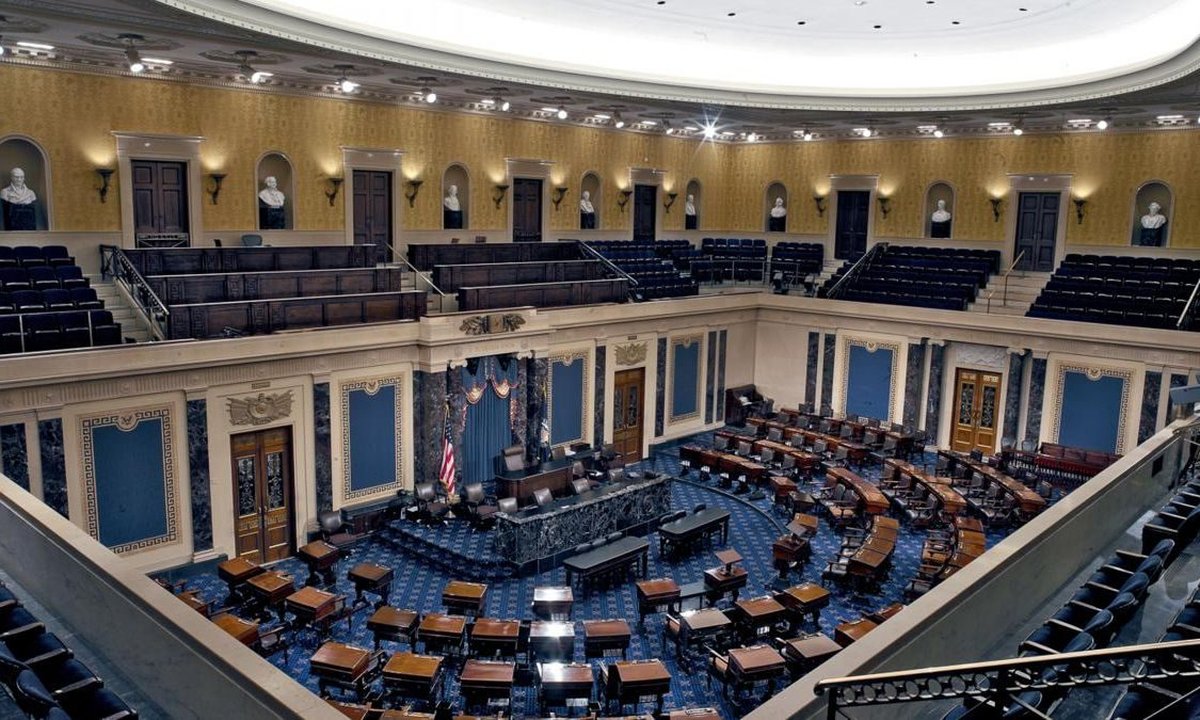
This is what the election was actually about, underneath the seat counts. Democrats now hold at least 250 House seats and at least 54 Senate seats, according to CNBC — and with the gavels comes subpoena power, the authority to compel testimony and documents from an administration that has faced limited formal scrutiny from Capitol Hill.
DHS is an early target, and the speed is the story. Incoming majorities usually spend their first weeks picking committee chairs and printing stationery. This one started applying pressure to a cabinet department while the election-night confetti was still being swept up.
It fits a pattern that has formed within hours of the result. A congressman, Ro Khanna, is already promising a bill to cut off funding for the Iran war. The Senate leader, Chuck Schumer, has promised the conflict will end. Democrats are preparing new oversight of the Pentagon — even as Trump says Defense Secretary Pete Hegseth is staying put.
The administration's response, so far, runs on two tracks. Trump took a conciliatory tone, telling CNBC he can work with Democrats on 'many more things than people understand.' His vice president, JD Vance, spent the aftermath assigning blame for the loss, starting with the Iran war.
Neither tone changes the arithmetic. On January 3, 2027, the subpoenas start being available. The pressure on DHS suggests Democrats do not intend to spend their majority warming up.
Washington has a phrase for the period between an election and a swearing-in: the transition. Based on the last 24 hours, this majority is not treating it as a waiting room.
It is treating it as a head start.
The department now finds itself where every administration agency is about to be: answering to a Congress run by the other party, where document requests and hearing invitations replace the far quieter oversight of friendly committees. How the White House responds to this first round of pressure — cooperate, delay, or fight — will set the tone for two years of divided government.
Voters, for their part, have already given their verdict on the administration's record: about two-thirds of them blame the president's policies for inflation, per the AP Voter Poll. Democrats read that as a mandate to push. The push started on day one.