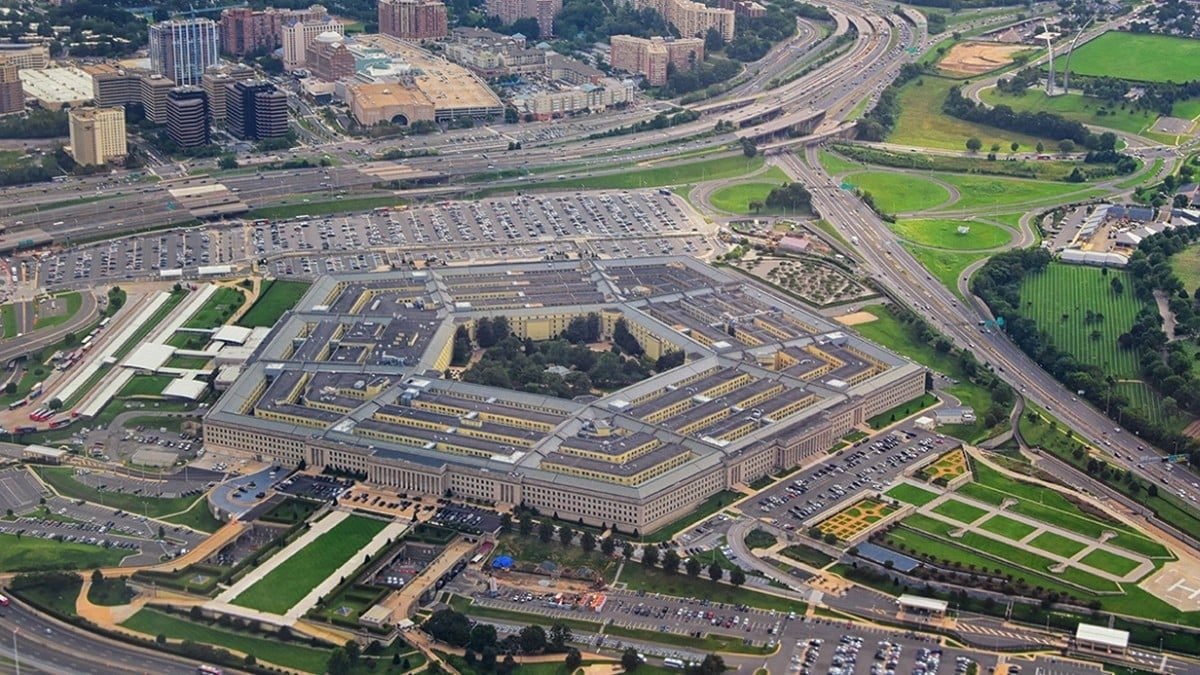
WASHINGTON — President Donald Trump has said he will not replace Defense Secretary Pete Hegseth following the midterm elections, keeping his Pentagon chief in place even as Democrats prepare a new wave of oversight of the Defense Department.
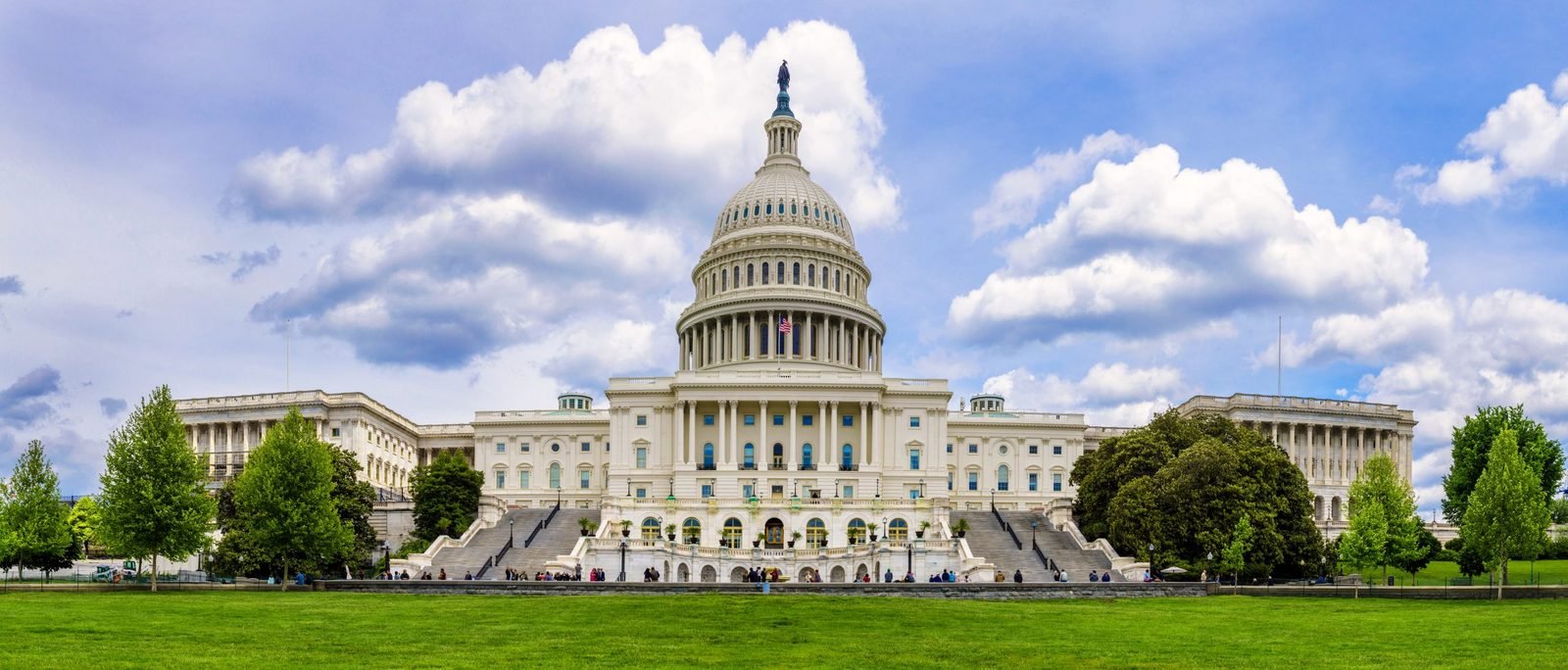
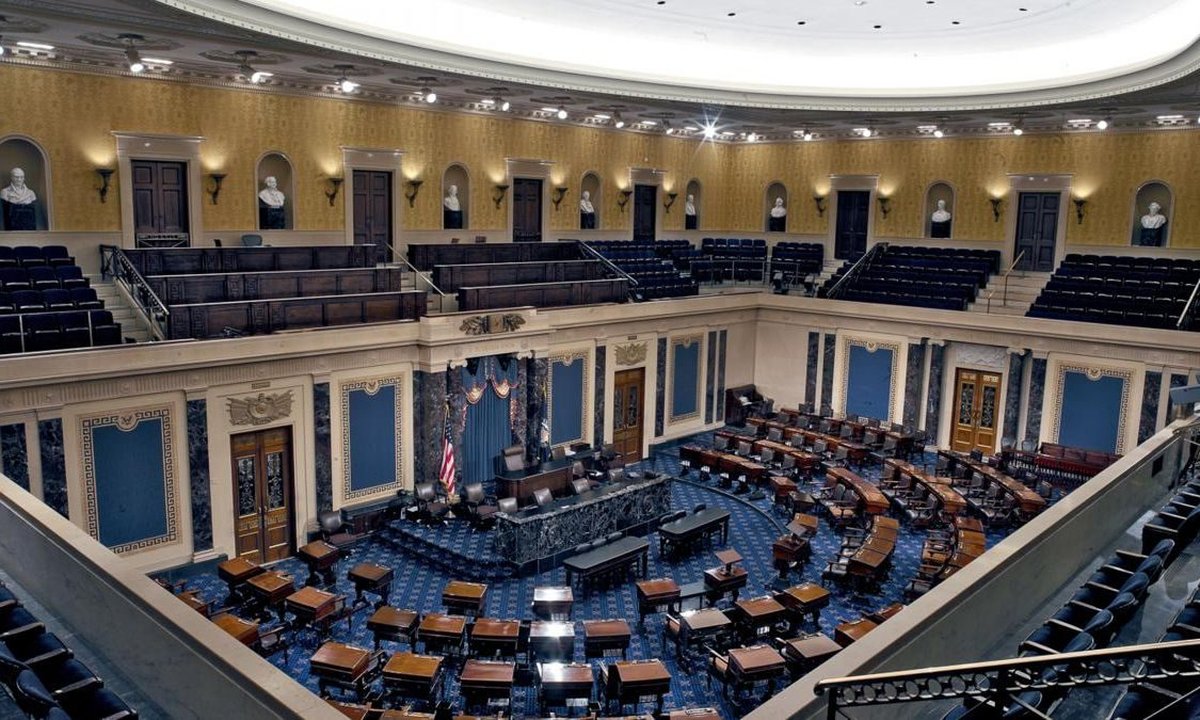
The president's statement came as his party absorbed heavy losses in Tuesday's elections. Democrats won control of both the House and the Senate, and with control of congressional committees comes subpoena power — the authority to compel testimony and documents from administration officials, including those at the Pentagon.
Democrats are preparing new oversight of the department as they organize their majorities ahead of the new Congress, which will be sworn in on January 3, 2027. Defense policy is expected to be a central focus, in part because of the political fallout from the war with Iran, which senior Republicans themselves have identified as a factor in the party's defeat.
Vice President JD Vance openly blamed the war with Iran for the Republican loss, and Trump acknowledged that the Iran conflict cost Republicans votes, while saying he would launch the operation again. Those admissions are likely to shape the questions Democratic committees put to Pentagon leadership, with Hegseth — now confirmed by the president as staying in post — at the center of them.
By ruling out a change at the top of the Defense Department, Trump signaled continuity in his national security team at a moment of political transition. Cabinet changes after midterm defeats are a familiar Washington ritual, a way for presidents to reset relationships with Congress. Trump's statement indicated he does not intend to follow that script at the Pentagon.
The decision also sets up an early test of the relationship between the administration and the new Congress. Oversight hearings on the Iran war, on defense spending and on the department's operations would place Hegseth before committees now chaired by Democrats, with the power to demand documents and sworn testimony.
Trump has otherwise struck a conciliatory tone since the election, telling CNBC that he can work with Democrats on 'many more things than people understand.' Whether that cooperation extends to defense oversight — historically one of the most contentious areas of executive-legislative relations — remains to be seen.
The new Congress convenes on January 3, 2027, and committee assignments and oversight agendas are expected to take shape in the weeks before then.