Apple and Palantir both reported quarterly results that beat Wall Street's expectations — and both saw their shares fall anyway, as investors focused less on what the companies had just earned than on what they said about the months ahead.
Apple's fiscal fourth quarter was, by the headline numbers, a strong one. Sales came in at $114.48 billion, above the $113.39 billion analysts had expected, and profit was $2.10 a share, ahead of the $1.99 a share expected. The iPhone remained the company's engine, with sales of $57.58 billion in the quarter.
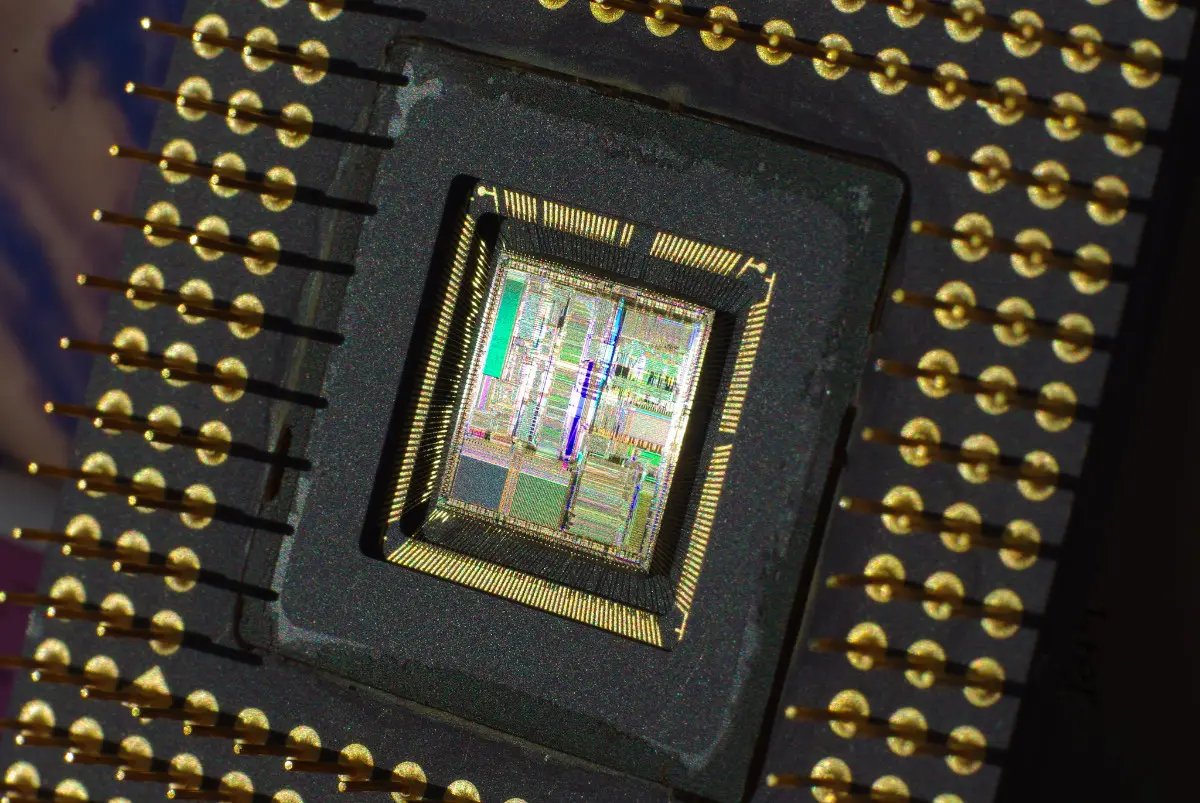
The problem, for investors, was the outlook. Apple warned that rising memory-chip costs would squeeze the December quarter — the holiday period that is traditionally the company's most important — and guided gross margin to a range of 45 to 46 percent. Memory chips are a core component of the iPhone and Apple's other devices, and price increases in that market flow directly into the company's cost structure. A margin guide below what investors had hoped for was enough to outweigh a clean beat on both sales and profit.
Palantir's quarter told a similar story of strong numbers meeting a skeptical market. The data analytics and AI software company's third-quarter revenue rose 96 percent to $2.313 billion. Most striking was the performance of its U.S. commercial business, where revenue grew 148 percent to $984 million — passing its U.S. government revenue for the first time.
That crossover matters for Palantir's long-term story. The company built its reputation on contracts with government agencies, particularly in defense and intelligence, and investors have long debated how large its commercial business could become. For U.S. commercial revenue to exceed U.S. government revenue is a milestone in that transition, evidence that private-sector demand for its AI platforms is now the faster-growing part of the company.
Yet Palantir's shares fell alongside Apple's. The twin declines came on a day when the broader market rallied — the Dow rose more than 1,570 points — but money rotated away from AI-linked stocks following the midterm elections. Companies that had been priced for flawless execution found that beating expectations was no longer, by itself, enough.
Together, the two reports captured the mood of this earnings season for technology's biggest names: the numbers can be excellent and the reaction still negative, when guidance points to rising costs, when valuations leave no room for disappointment, and when the political ground under the AI trade is shifting.