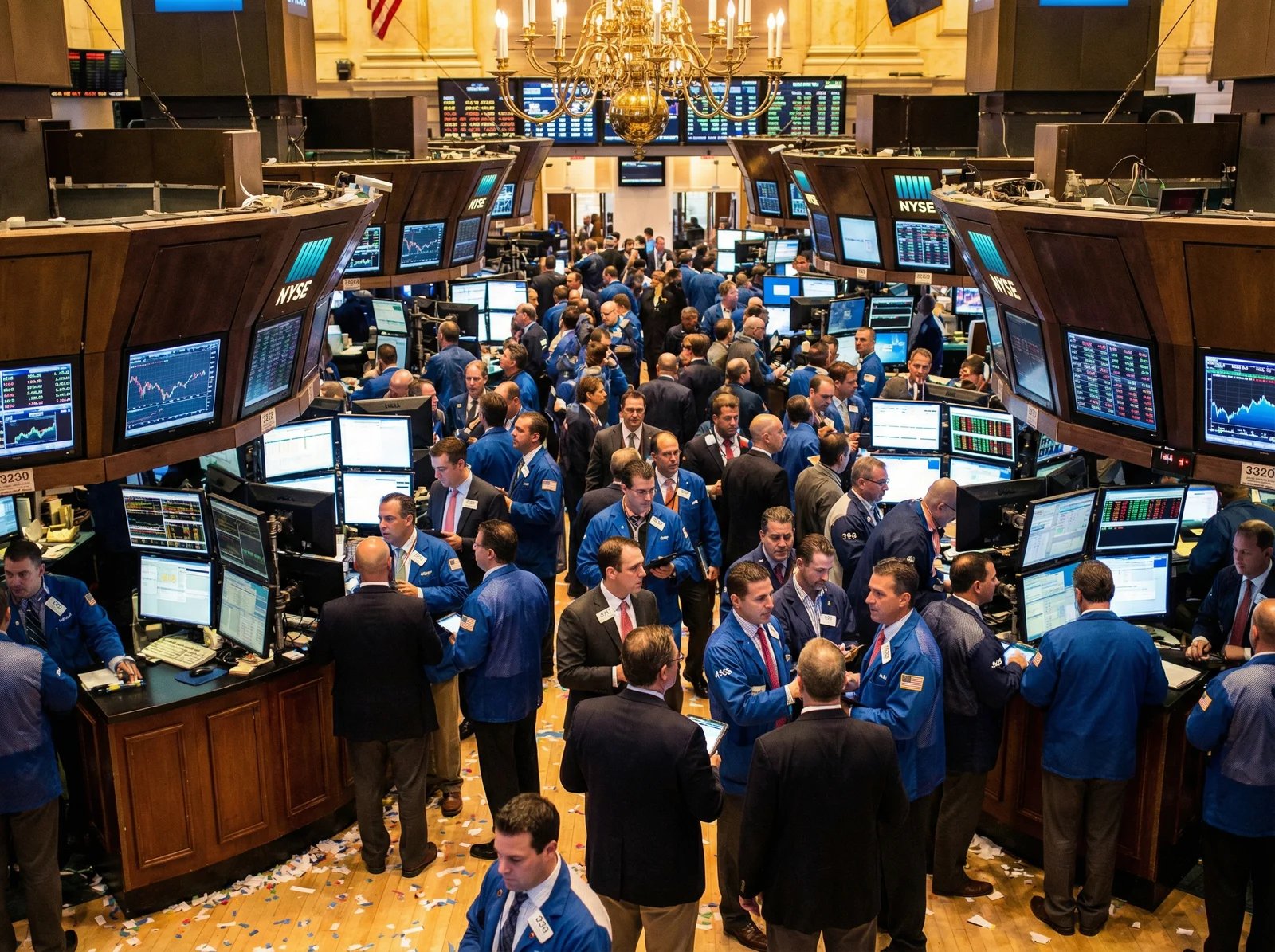
NEW YORK — Stocks rallied sharply in the first full trading session after the midterm elections, with the Dow Jones Industrial Average gaining more than 1,570 points, a rise of about 3 percent and the index's best day since April 2025. The broader S&P 500 rose 1.6 percent.
The main driver of the rally was not the election result itself but what happened in energy markets alongside it. Oil prices fell steeply: West Texas Intermediate crude dropped more than 8 percent to about $88.12 a barrel, while Brent crude traded around $97. Cheaper oil eases costs for airlines, manufacturers, shippers and consumers, and investors moved quickly to price in the benefit.
The decline in oil was tied to hopes of a deal with Iran. Prices kept falling as traders weighed the possibility that tensions around one of the world's most sensitive energy chokepoints — the Strait of Hormuz — might ease rather than escalate, reducing the risk premium that had built up in crude markets during the conflict.
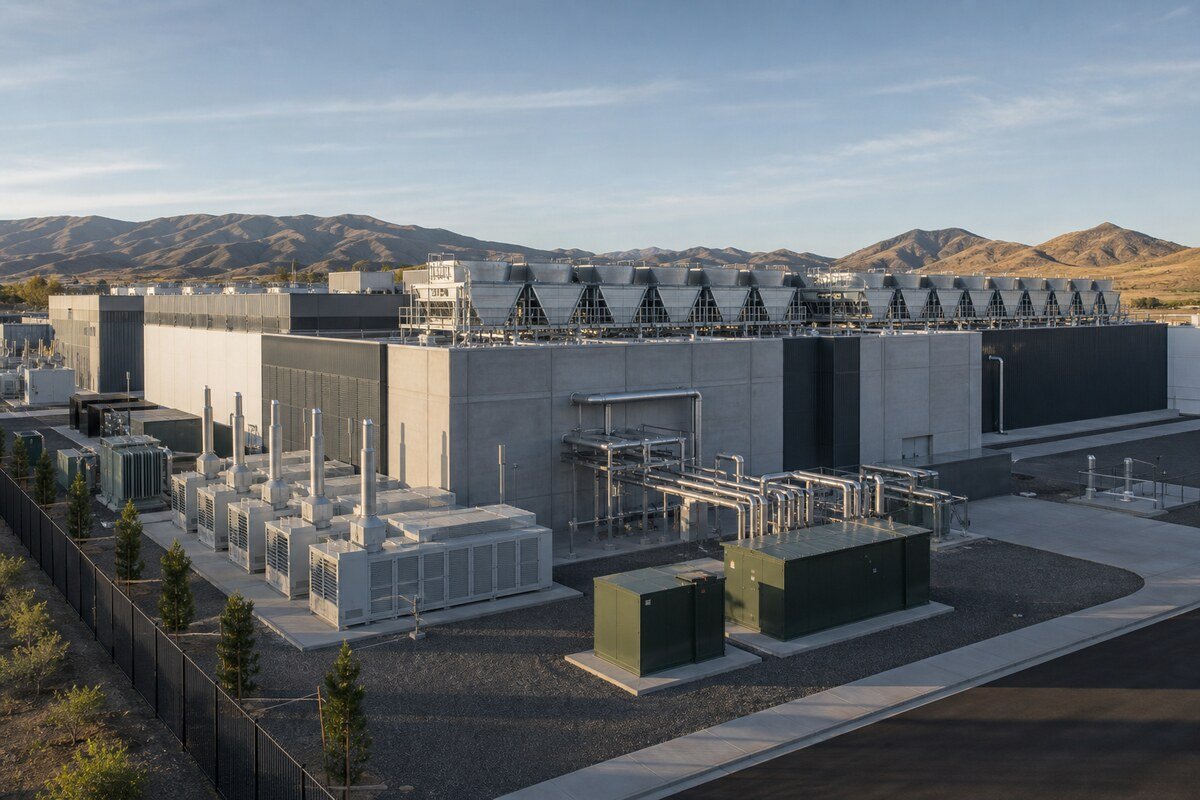
Beneath the headline gains, the session was marked by a rotation in what investors wanted to own. Money moved away from AI infrastructure stocks — the builders and suppliers of the data center boom — even as the wider market climbed. The shift reflected a reassessment of the political environment for the industry: with Democrats winning both chambers of Congress and voters in dozens of cities approving restrictions or bans on data centers, the regulatory path for the sector's expansion looks less certain than it did before Tuesday.
The election itself produced divided government, an outcome markets have often treated with equanimity in the past because it limits the scope for abrupt policy change in either direction. President Trump struck a conciliatory tone, telling CNBC he can work with Democrats on 'many more things than people understand,' remarks that may have further steadied sentiment.
Still, analysts note that the rally's foundations are narrow. A market advance powered by falling oil depends on oil continuing to cooperate; the same geopolitical developments in the Gulf that pushed prices down could reverse. And the rotation out of AI infrastructure names raises questions about one of the market's most crowded trades, at a moment when companies tied to that build-out are reporting earnings and making enormous spending commitments.
For now, investors chose to celebrate. A gain of more than 1,570 points in the Dow and a 1.6 percent rise in the S&P 500 made for the strongest single day on Wall Street in more than a year and a half — powered less by what happened at the ballot box than by what happened to the price of oil.