The U.S. flu season is off to a very early start and is quickly intensifying, the Centers for Disease Control and Prevention said in its latest update on Friday, with seven states reporting high flu activity last week, up from just two the week before.
The CDC also said more than 3% of doctors' office visits last week were for flu-like illness, a level that signals the season is truly underway. The agency estimates that at least 2.6 million illnesses, 36,000 hospitalizations and 2,100 deaths so far this season are tied to flu infections, and it recorded two more pediatric deaths this week, bringing that total to five.
The surge is concentrated in the South and West. The states reporting high flu activity are California, Louisiana, Oregon, South Carolina, Tennessee, Texas and Washington, and Louisiana is seeing the worst of it so far. Flu activity is moderate in Colorado, Florida, Hawaii, Idaho, Massachusetts, New Jersey, New Mexico, New York state and Puerto Rico.
"Flu season is taking off and it's taking off in a direction that's only likely to increase in the next month or two," said Dr. Fred Lopez, an infectious diseases specialist at the LSU Health Sciences Center in New Orleans.
The early-season flu hospitalization rate in mid-October was the highest seen that early in an autumn in more than 15 years, according to Johns Hopkins University, which pointed to nearly 5,000 lab-confirmed flu hospitalizations in the week ending October 17 — the highest mid-October rate since the 2010-2011 season.
The dominant strain is influenza A(H1N1)pdm09 — the lineage behind the 2009 flu pandemic — which accounted for 97.7% of the influenza A viruses subtyped by public health laboratories, most of them in a subclade called D.3.1.1.
The CDC cautioned that an earlier increase in activity does not necessarily lead to a higher seasonal peak or greater overall severity, and its preliminary severity assessment still rates the season as low across all age groups. The agency's FluSight forecasts project that flu hospital admissions will likely keep rising nationally through the week ending November 21.
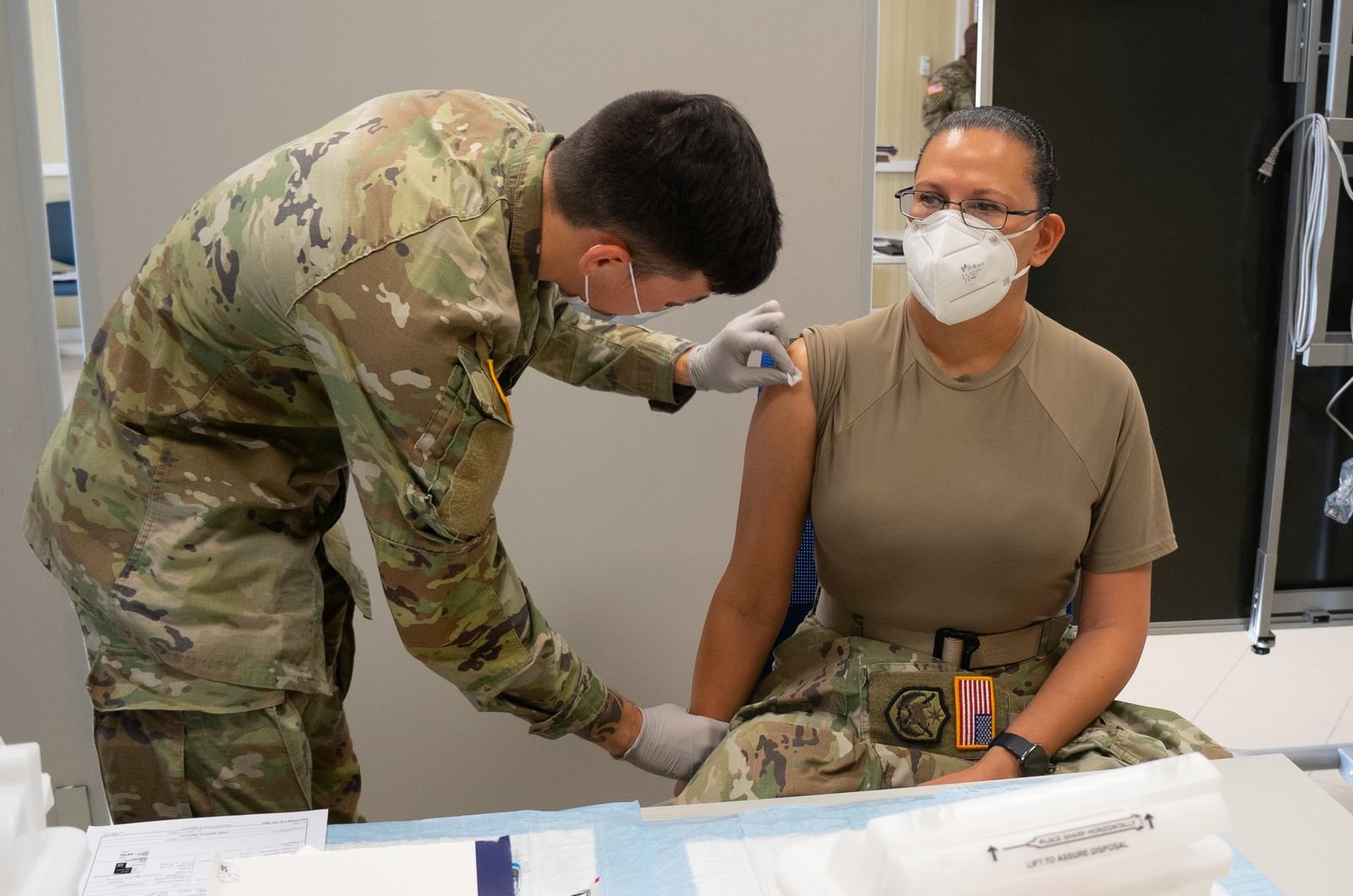
Health experts say Thanksgiving travel and family gatherings could accelerate the spread, and officials continue to recommend seasonal flu vaccination, particularly for people at greater risk.