California was bracing on Friday for a series of storms packing heavy rain and surf that could once again flood coastal communities and send monster waves pounding its shores.
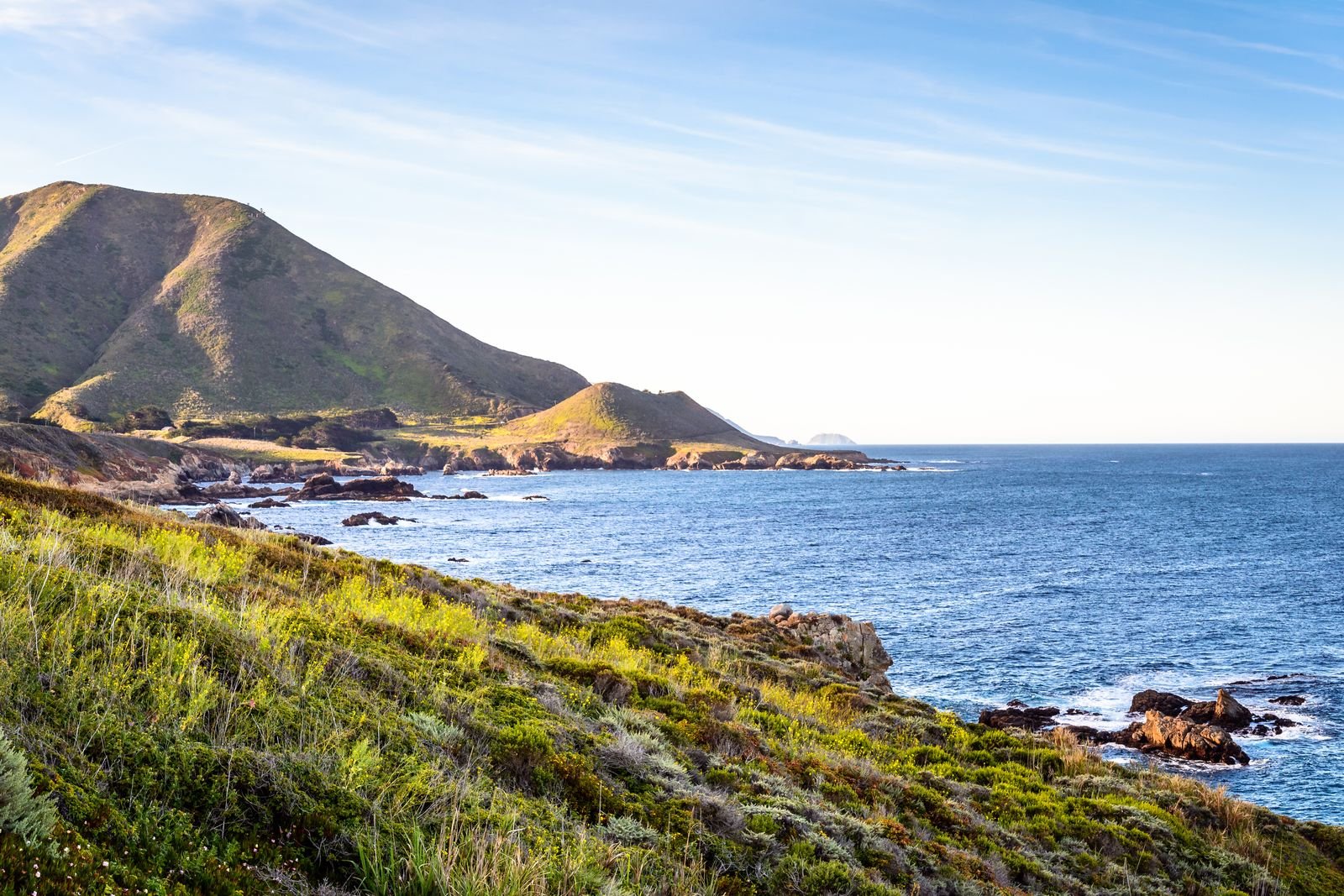
Off the coast of San Francisco, southern Monterey Bay and the Big Sur coast, forecasters warned that up to 30-foot (9-metre) breaking waves could arrive on Friday evening, with occasional monstrous sets of 40 to 50 feet possible.
"Large breaking waves will run up beaches and crash over seawalls, inundating adjacent, low-lying infrastructure," read the latest National Weather Service advisory. The weather agency urged people against entering the water and told them to stay off waterside infrastructure including jetties, piers and rocks.
"NEVER turn your back on the ocean," National Weather Service meteorologists wrote.
Further south near Los Angeles, forecasters said widespread rainfall would begin on Friday and continue into Saturday, and elevated surf could fuel dangerous rip currents and breaking waves.
The greatest impact of the surf was expected to peak on Saturday and potentially again on Monday, the National Weather Service said. "There is potential for moderate coastal flooding impacts at times, especially Saturday," read the latest advisory from the weather agency.
"Some of these impacts may be moderate to significant beach erosion and shallow flooding of normal dry beaches and walkways."
Storm systems as well as high tides have triggered flooding in recent months in California, causing dramatic property destruction and leaving communities along the coasts feeling particularly vulnerable.
Such violent waves in the Pacific are a trademark of the El Nino weather pattern, which this year has driven disruptions around the globe as it turbocharges the impacts of human-caused climate change. Forecasters anticipate giant storms off the coast will continue to whip up large waves as the El Nino phenomenon is expected to strengthen into the winter.
Sea levels off California will likely soon bump even higher due to especially high tides known as king tides, which generally occur in the late fall and winter months.