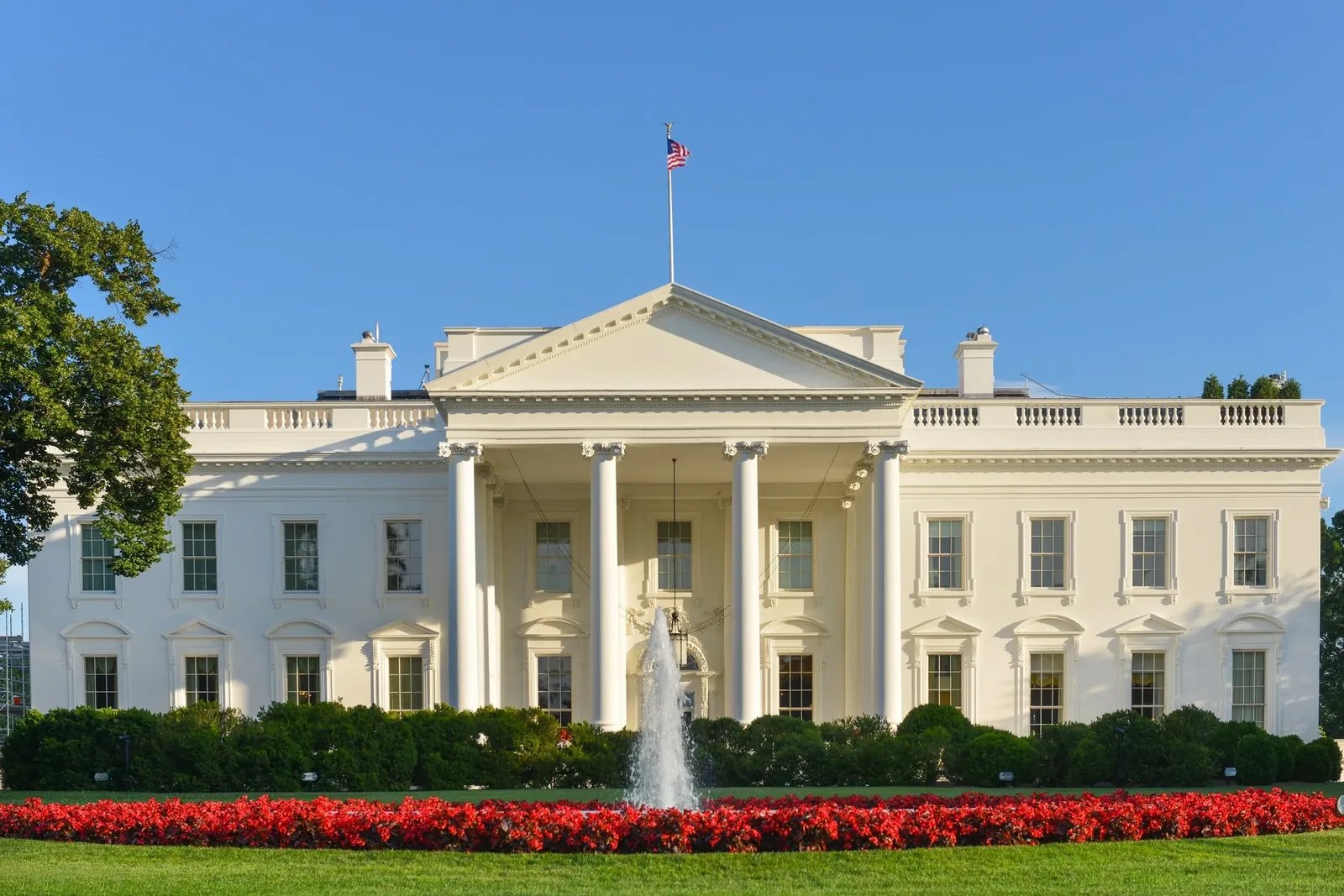
WASHINGTON — U.S. Secretary of State Marco Rubio spoke with his Venezuelan counterpart on Monday about reforms that lay the groundwork for future free and fair elections in the South American country, the State Department said in a statement.
Rubio met Venezuelan Foreign Minister Oliver Blanco at the State Department on Monday. The two discussed progress in the Venezuelan-led reconciliation talks, including institutional reforms that lay the groundwork for free, fair, and credible elections. The meeting marked Blanco's first U.S. visit since interim President Delcy Rodriguez appointed him foreign minister last week.
"Secretary Rubio reaffirmed the President's three-phase plan for Venezuela: stabilization, economic recovery and political reconciliation, and democratic transition," the State Department said. Blanco also met U.S. Treasury Secretary Scott Bessent to discuss developments in Venezuela and opportunities to advance the Trump administration's three-phase approach.
Rubio said last week Venezuela's electoral infrastructure was designed to rig elections and must be quickly replaced before a valid election can be held. The Trump administration supports negotiations between the Rodriguez government and opposition groups, which do not include Machado's Vente Venezuela movement, on overhauling Venezuela's electoral council and top court before the next elections.
In early January, President Donald Trump ordered a deadly U.S. military raid in Venezuela that led to the seizure of ousted Venezuelan leader Nicolas Maduro and his wife, who were subsequently brought to New York to face trial. Trump has since praised Maduro's former vice president, Delcy Rodriguez, who became interim president and began governing the country under U.S. oversight.
Venezuelan opposition leader Maria Corina Machado said last week Washington has suggested the country hold presidential elections next year. The Venezuelan government and opposition figures have said fresh elections will be held but have not announced a date. Washington has pressed for further releases of political prisoners since Rodriguez took power; a landmark amnesty law has led to the release of many prisoners, though Venezuelan rights group Foro Penal said 344 political prisoners remained in the country as of September 18.