BERLIN — A diplomatic rift between U.S. President Donald Trump and German Chancellor Friedrich Merz over the war on Iran has escalated into a broader debate about Europe's transatlantic ties, while Berlin pushes to become the continent's leading military power.
Merz sparked controversy last week when he said Washington had been "humiliated" by its failure to reach a deal with Tehran and accused Trump of having "no strategy." The remarks triggered a heated discussion that has intensified since Trump announced the redeployment of 5,000 U.S. troops from German soil.
According to media reports, the withdrawal will include a Stryker Brigade currently stationed in Vilseck, Bavaria — a redeployment that had first been mentioned by Trump in 2020. The move would return troop numbers roughly to levels last seen before Russia's full-scale invasion of Ukraine in 2022, meaning the operational impact may be limited.
With some 36,000 troops currently stationed on its soil, Germany is home to one of the largest U.S. deployments abroad, and it is vital to U.S. operations in the Middle East. On Monday, the German defence ministry said there had been no "definitive cancellation" by the U.S. of a plan to deploy a battalion with long-range Tomahawk cruise missiles and SM-6 missiles to Germany. The U.S. had planned episodic deployments of long-range fires capabilities in Germany from 2026.
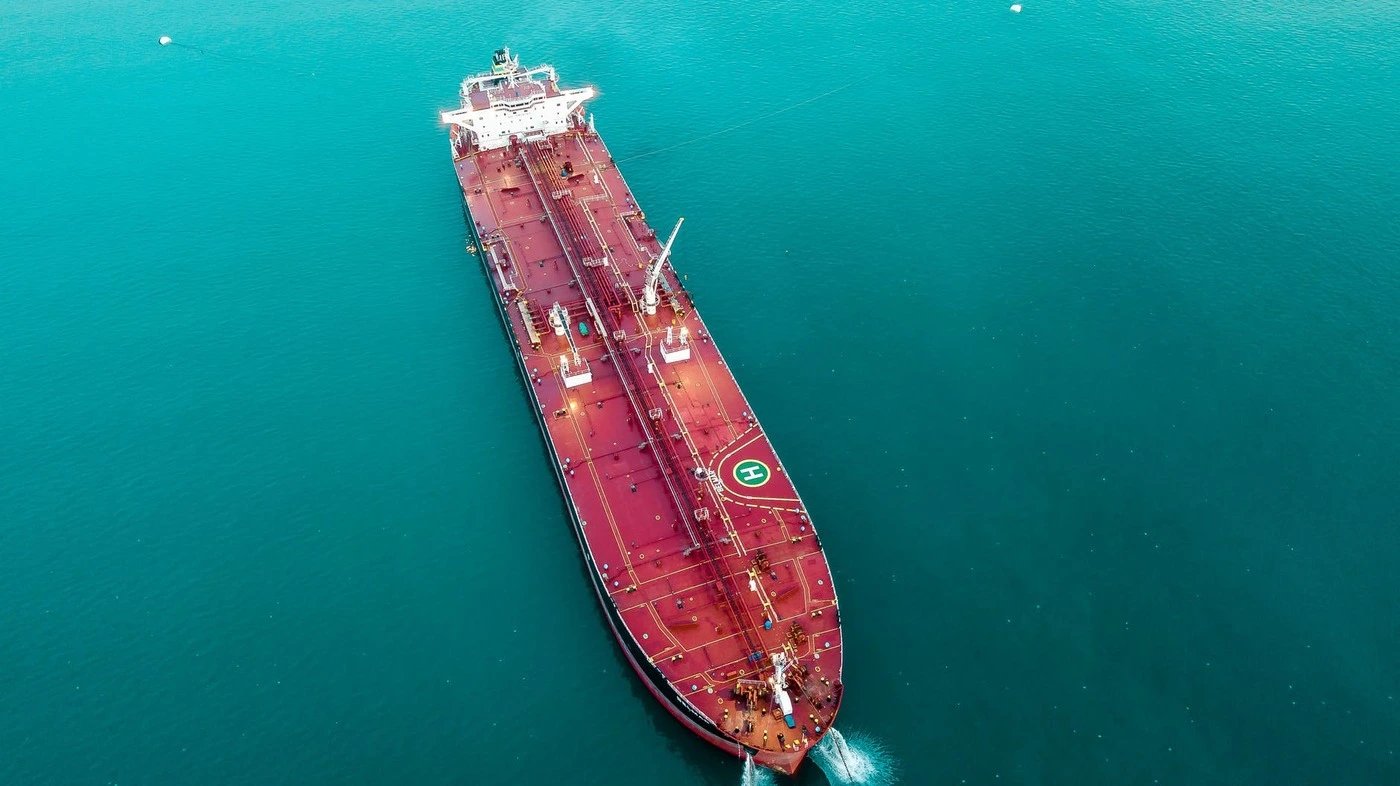
Germany dispatched a minesweeper and a replenishment vessel to the Mediterranean on Monday, bound for the Strait of Hormuz. But Jurgen Hardt, a lawmaker with Merz's CDU party and the foreign policy spokesperson of the CDU/CSU parliamentary group, said a "combat mission" in the Strait of Hormuz is "out of the question for Germany." He added that the transatlantic partnership is currently undergoing "a stress test" but said Trump has ultimately "always stood by NATO."
Berlin has announced its intention to field the strongest conventional army on the continent by 2039. Analysts say the troop decision is not surprising given Washington's realignment of its security and defence policy, announced in its National Defense Strategy of January 2026, which also has implications for NATO.