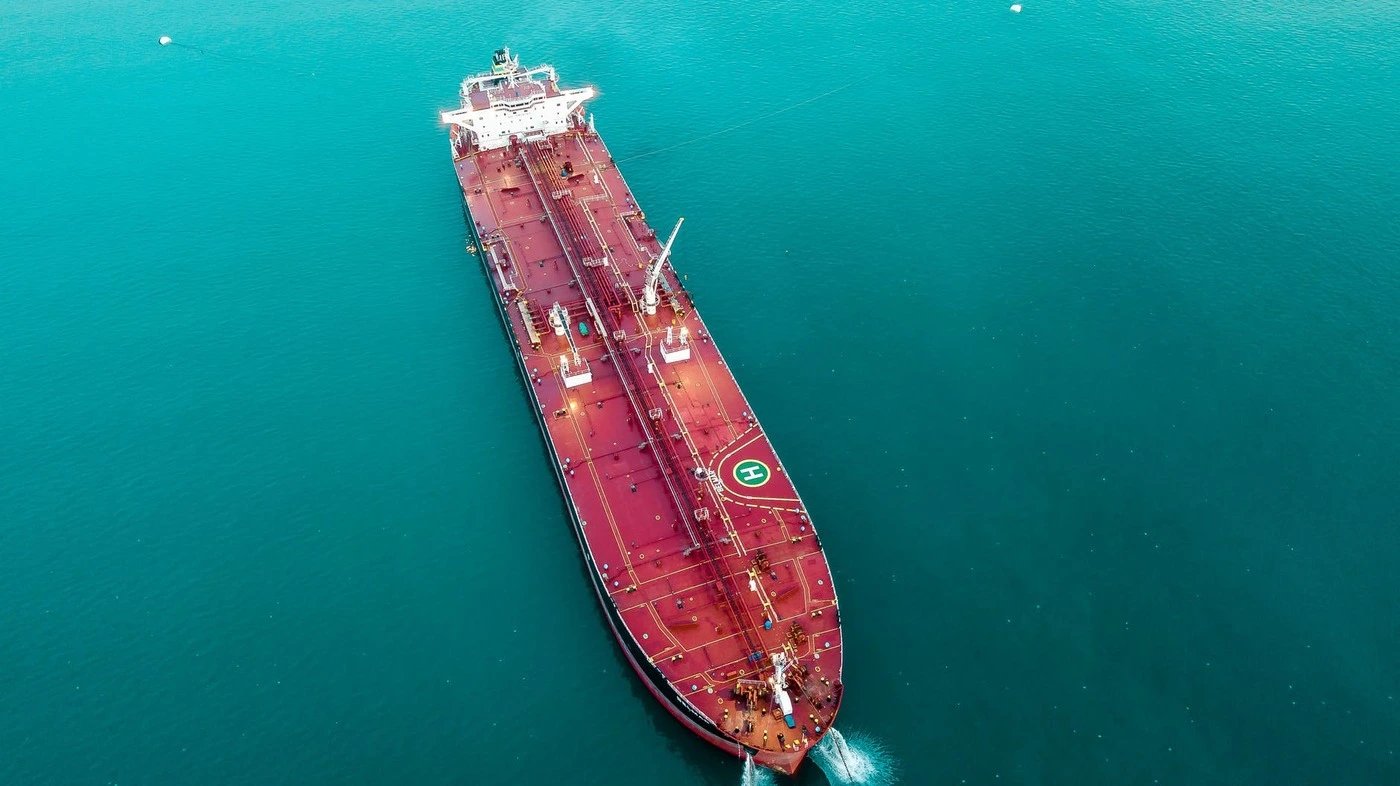
Iran's Islamic Revolutionary Guard Corps reported that two tankers and a tugboat caught fire in the Strait of Hormuz, the narrow waterway through which a large share of the world's seaborne oil passes. The reports have not been independently confirmed, and details of the incident — including the identity of the vessels and the cause of the fires — remain unclear.
The reported incident came amid a series of escalatory steps and simultaneous diplomatic efforts. The United States carried out limited strikes on Iran's Qeshm Island after aircraft were fired on, a response Washington framed within a pattern of action and reaction that has kept the region on edge.
Yet even as the military exchanges continued, financial markets were moving in the opposite direction. Oil prices kept falling on hopes of a deal with Iran — West Texas Intermediate crude dropped more than 8 percent to about $88.12 a barrel in U.S. trading, with Brent around $97 — suggesting that traders see a meaningful chance that diplomacy, rather than a wider war, defines the next phase of the crisis.
President Donald Trump contributed to that reading, saying the United States currently has no plans for military action. The statement, coming alongside limited strikes already carried out, suggested an administration seeking to keep its response bounded while negotiations are explored.
Qatar has stepped up its mediation role, working to open and sustain channels between Washington and Tehran. Gulf states have frequently served as intermediaries in U.S.-Iran disputes, and Qatar's involvement signals that both sides retain at least an interest in a negotiated outcome — a reading markets appear to share, given the sustained decline in oil prices.
At the same time, the United States announced additional sanctions on Iranian military procurement and maritime networks. The measures tighten pressure on the supply chains that support Iran's armed forces and on the shipping networks connected to them, adding an economic instrument to a strategy that currently mixes limited military action, public restraint and active mediation.
The war's political reverberations have already been felt in Washington. In the aftermath of the midterm elections, Vice President JD Vance openly blamed the war with Iran for the Republican loss of Congress, and Trump acknowledged the conflict cost his party votes while saying he would launch the operation again.
For now, the situation in the strait remains unresolved: fires reported but unconfirmed, strikes carried out but described as limited, sanctions imposed alongside mediation. The coming days will test whether the diplomatic track Qatar is building can hold — and whether the calm that oil markets are pricing in is justified.