WASHINGTON — NASA's Neil Gehrels Swift Observatory, which spent more than two decades studying the most violent explosions in the universe, fell back to Earth on Wednesday and burned up in the atmosphere over Indonesia, ending a mission that lasted nearly 11 times longer than planned.
The U.S. Space Force confirmed that the 1,452-kilogram observatory re-entered the atmosphere at 7:39 a.m. EST on November 4 over North Sumatra, Indonesia, traveling at about 22 times the speed of sound. NASA said it expected most of the spacecraft to be incinerated by the heat of re-entry, though some of its densest parts — pieces made of tungsten and some mirror components — could have survived the plunge. No damage or injuries on the ground were reported.
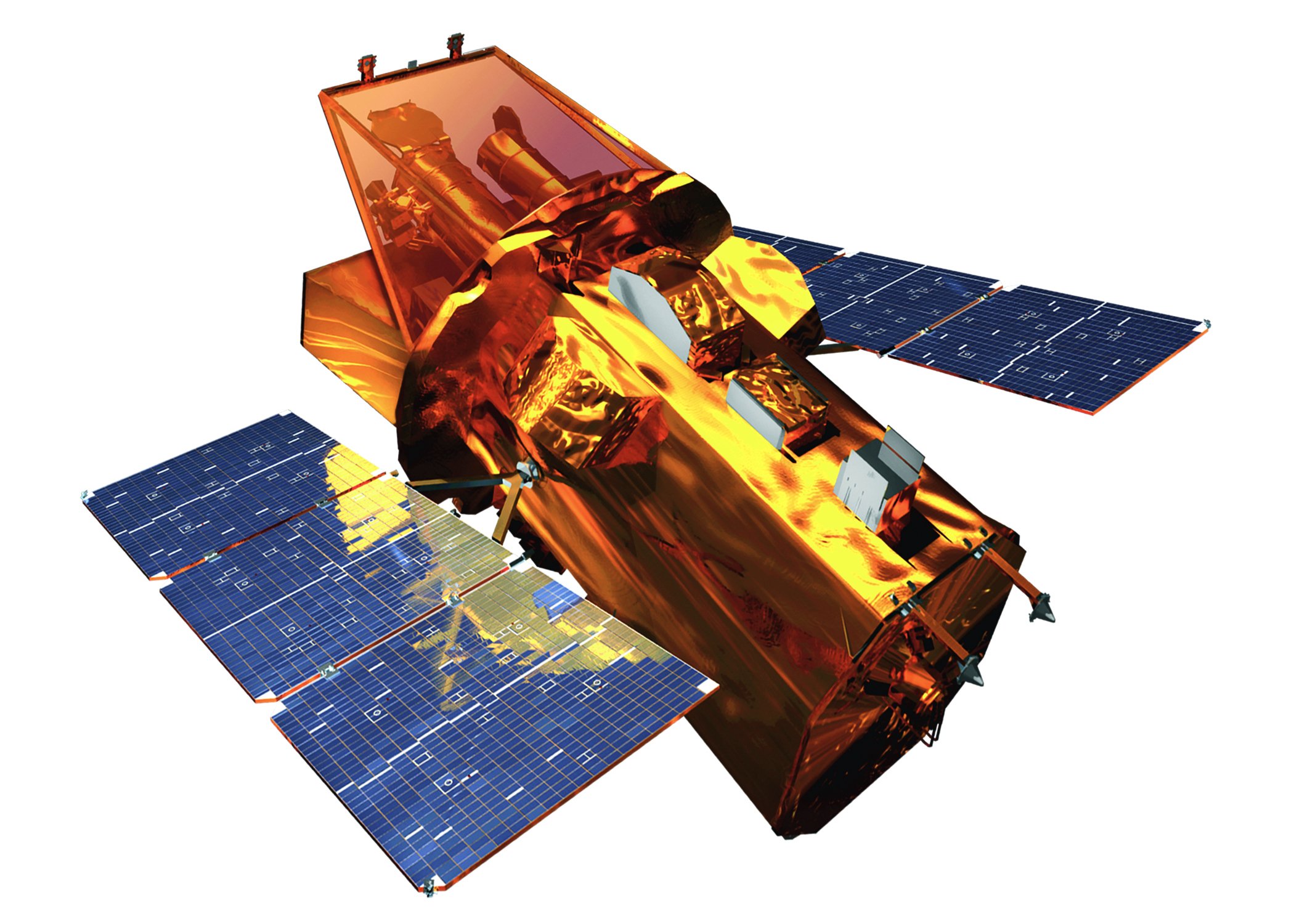
Swift launched on November 20, 2004, aboard a Delta II rocket, on a mission designed to last just two years. Armed with three telescopes working across gamma-ray, X-ray and ultraviolet wavelengths, it was built to chase gamma-ray bursts — the most intense explosions known in the universe — and to pivot within seconds to observe them as they faded.
The observatory far outlived its design life, and its final years were shaped by a problem it was never built to solve. Increased solar activity during the most recent solar maximum puffed up Earth's upper atmosphere, increasing drag on the satellite and accelerating the decay of its orbit. Swift carried no onboard thrusters to counter that drag.
NASA made its final science observation with Swift on October 20, then switched the observatory off as its orbit sank below about 275 kilometers, too low to hold steady and point its telescopes. Two weeks later, it fell.
The end came less than three months after a rescue attempt failed. NASA had hired Arizona-based Katalyst Space Technologies to send a robotic spacecraft, called LINK, to capture Swift and push it to a higher orbit — a mission costing about $30 million that would have demonstrated a new way to service aging satellites. The attempt failed in July, and the rescue was abandoned in August.
NASA marked the farewell on November 6 with an Astronomy Picture of the Day titled "A Farewell to Swift," built from a mosaic of the first one million images captured by the satellite's ultraviolet-optical telescope. The data Swift gathered over 22 years will continue to fuel research into the universe's most energetic events for years to come.