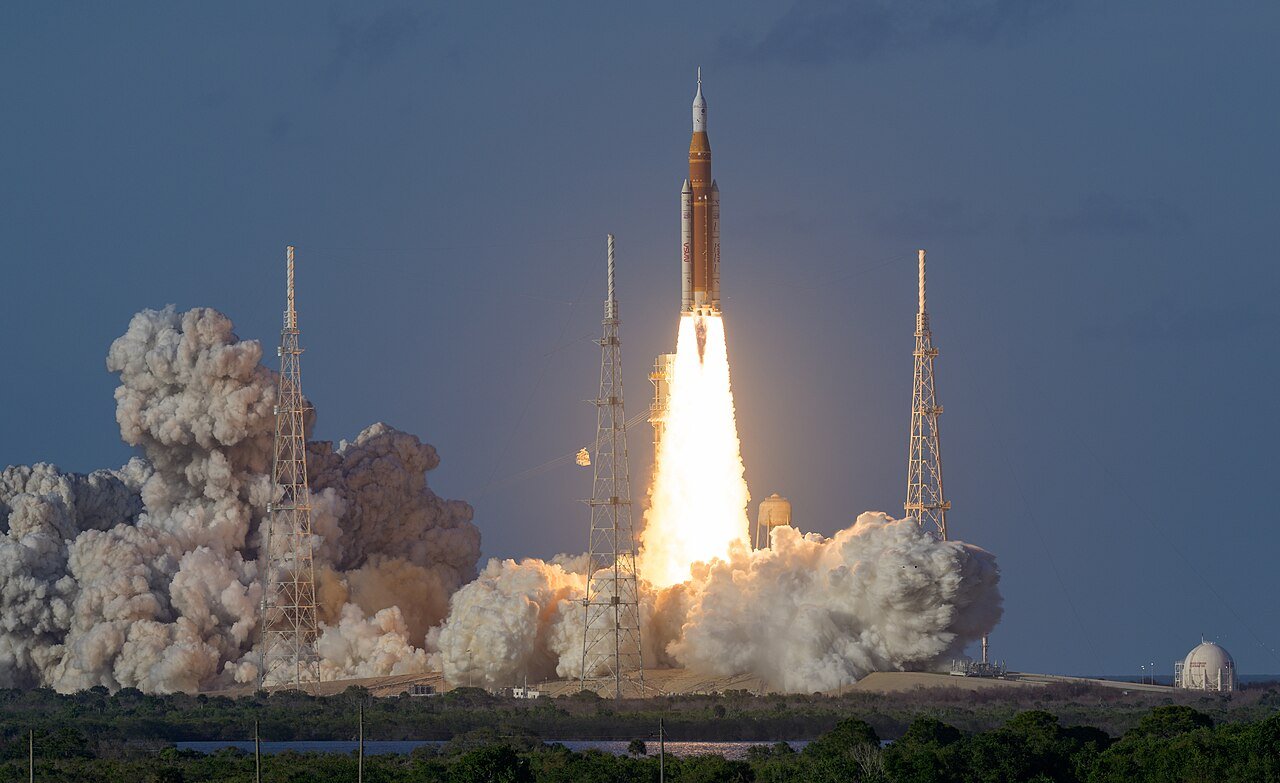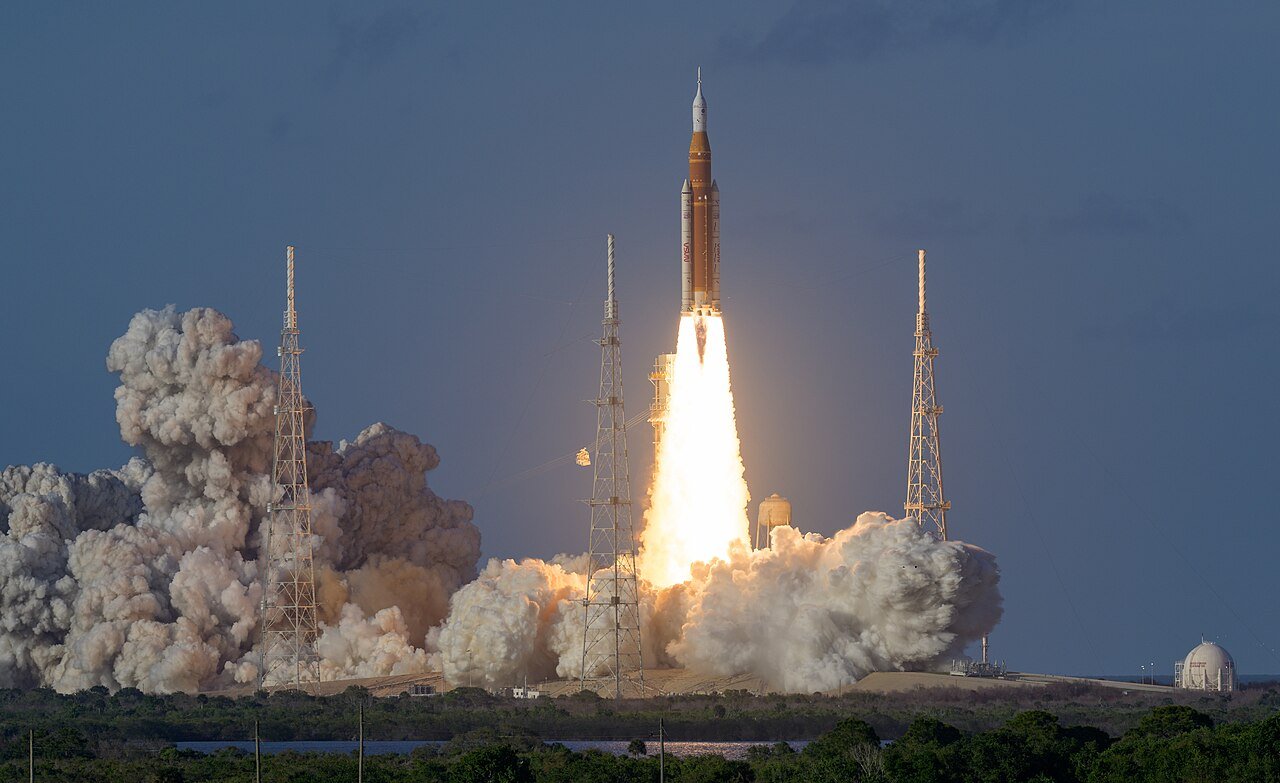
NASA's Artemis II mission did more than send four astronauts around the Moon. Researchers have found that the April 1, 2026, launch of the Space Launch System rocket punched two temporary holes in Earth's upper atmosphere, disturbing the ionosphere across roughly 3,100 miles of North America and producing GPS errors of several meters at ground stations.
The findings, reported by Space.com on November 4, come from researchers at National Cheng Kung University in Taiwan, who analyzed measurements from ground-based GPS receivers. Their preprint has been published in the journal Geophysical Research Letters. The team detected two separate disturbances: one trailed the 212-foot SLS core stage as it climbed through the atmosphere, and a second, stronger one came from two burns of the rocket's upper stage, carried out at an altitude of about 115 miles, more than an hour after liftoff.
The ionosphere is the electrically charged layer of the upper atmosphere, starting about 30 miles above the ground. GPS satellites transmit radio signals through it before they reach receivers on Earth, so changes in the layer's free-electron concentration can shift the position a receiver calculates. The researchers found the Artemis II disturbances stretched about 3,100 miles, or 5,000 kilometers, from east to west across North America.
At ground stations, the changes were equivalent to positioning errors of several meters. Study co-author Charles Lin, an Earth science professor at National Cheng Kung University, told Space.com that an error of a couple of meters is enough to affect an autonomous car's lane choice and drone positioning. The disturbances were up to 10 times more intense than those seen after SpaceX Starship test launches, and larger than any caused by earlier rocket launches to date.
The reporting is careful about what did not happen: researchers recorded no GPS outages, no navigation failures and no affected vehicles. The disturbances were temporary, and rocket-related effects on the ionosphere are short-lived compared with severe solar storms, which can disrupt GPS signals for days. Artemis II, the first crewed journey around the Moon in more than 50 years, splashed down on April 10, 2026.