Negotiators at the United Nations climate talks in Turkey went into overtime on Saturday in an attempt to reach a final agreement on global warming, as work crews boxed up the venue in Antalya and hopes faded that extra discussions would produce concrete plans to slash fossil fuel use.
The added day came as the two-week annual summit, known as COP31, drew strong condemnation for failing to mention fossil fuels in a draft of the final agreement. The document is meant to address how the world will deal with climate change, which drives heat waves, floods and other disasters. Experts say the world needs to urgently and drastically cut emissions from coal, oil and gas to avert the most catastrophic effects of warming.
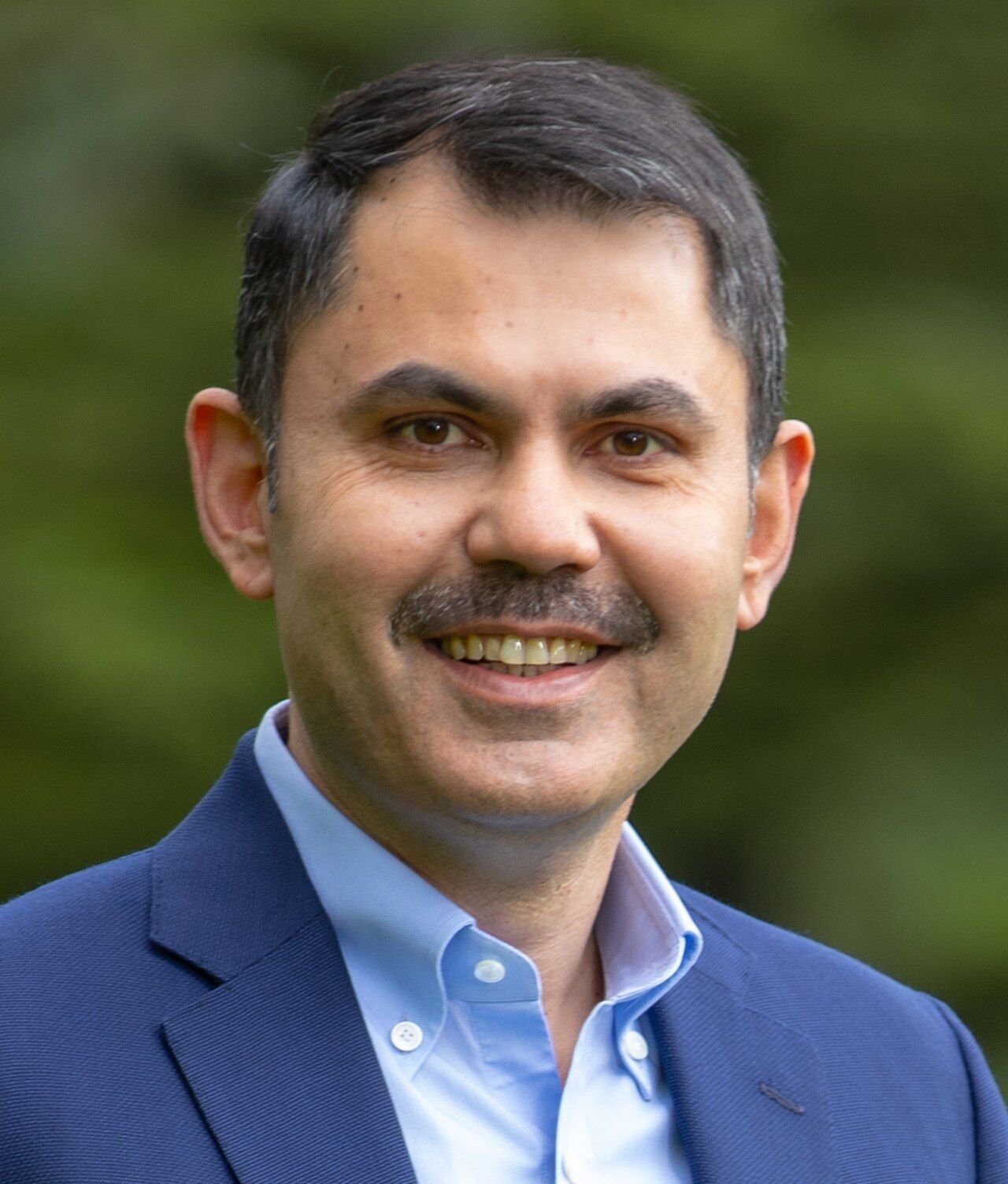
Nearly 200 nations remained deadlocked after missing their scheduled Friday finish amid feuds over energy, science and finance. Australia, which is presiding over the negotiations, raced to produce a third draft deal, with many delegates due to catch flights home. "We are close to the finish line, but we are not there yet," COP31 President Murat Kurum, Turkey's environment minister, told an assembly late on Friday that approved some technical matters.
A draft deal unveiled earlier in the week called for a faster phase-out of fossil fuels, a flashpoint where producers such as Saudi Arabia have fiercely resisted such calls. A second, pared-down draft released on Thursday stripped away all mentions of fossil fuels, sending negotiators back to the bargaining table. The European Union said the revised draft "risks turning this climate COP into a fossil summit." A dozen European and developing countries, from France to Panama and the Solomon Islands, released a letter on Friday insisting the deal include "a clear transition away from fossil fuels." Panama threatened to walk away from the talks.
The draft "cover decision" instead proposes electrifying the global economy, replacing technologies that burn fossil fuels directly, such as diesel cars and gas heating, with electric alternatives. The proposal, championed by hosts Turkey and Australia, calls for boosting the global share of final energy demand met by electricity to 35 per cent by 2035. "Electrification is the key to transitioning away from fossil fuels," said Australia's Climate Minister Chris Bowen, who is chairing the negotiations and said Friday he would work "for as long as it takes, to get the job done." The text does not specify that the additional electricity must come from renewables rather than coal or gas, spurring demands for an explicitly "clean" target. Some countries also rejected a proposal to ramp up carbon capture, dismissing it as costly and unproven.
Countries are sharply divided over other issues. The latest draft expressed "deep concern" over the imminent breach of the 1.5 degrees Celsius goal but dropped an earlier call to return warming below that threshold as soon as possible this century. The timing of the next reports by the U.N.'s Intergovernmental Panel on Climate Change has been a major source of friction. Negotiations are also deadlocked over complaints by developing countries that rich nations are falling short in helping them confront climate change. The removal of a $120 billion target for climate adaptation angered developing nations. "We didn't come here to beg," said Ghana's Environment Minister Zanetor Agyeman-Rawlings.
In a letter sent on Saturday to co-hosts Turkey and Australia, 100 civil society groups warned they were "on course to preside over one of the most disappointing COPs" the U.N. has ever held, with only hours left "to save this COP from becoming a low point of three decades of climate negotiations." In the lead-up to the talks, the U.N. announced the world will likely blow past the 2015 Paris Agreement goal of limiting warming to 1.5 degrees Celsius above pre-industrial temperatures.
Inside the venue's pavilions, where countries showcased innovations, workers packed up electronics on Saturday while hallways stood largely empty. "COP31 is in a bleak overtime, with dwindling food and water, and no sign of any progress since the alarmingly underwhelming texts we saw earlier," said Rachel Cleetus of the Union of Concerned Scientists. On Friday, a protester wearing a vest emblazoned "you are killing the future" interrupted proceedings, shouting: "You take out fossil fuels. You killed 1.5. There is no money." Kurum paused and said "let's try to maintain the peace in the room" before continuing.
Expectations of a major breakthrough had been low as countries grapple with an oil price shock and geopolitical tensions stemming from the war in Iran. The summit follows climate-linked disasters from Europe to Nepal and Indonesia and unfolds as a super El Nino pattern amplifies the risk of extreme weather. The United States, a major polluter and the world's largest economy, did not participate directly in this year's talks. The next climate summit will take place in Ethiopia's capital, Addis Ababa, in November 2027.