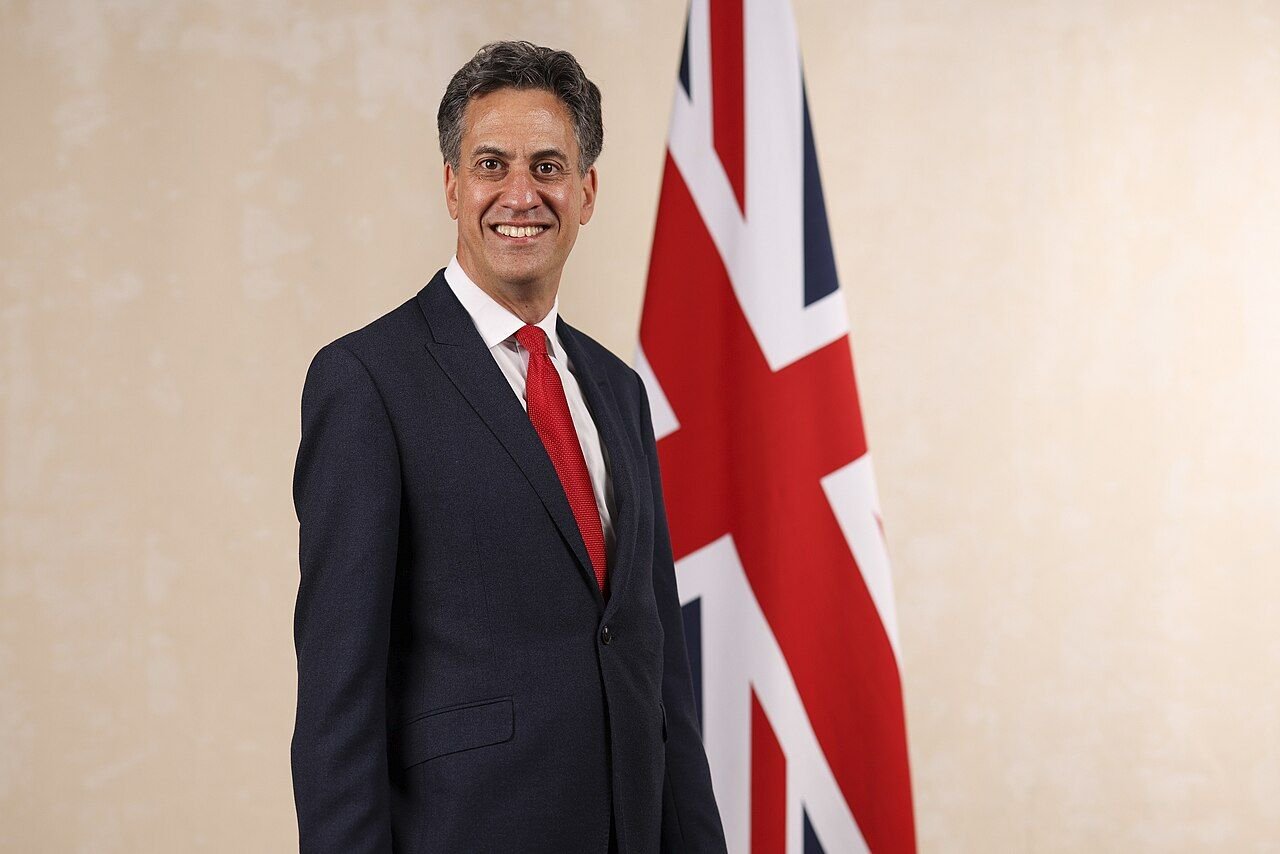
A deal agreed between the UK and the European Union on Friday will come into force regardless of whether the two sides can negotiate a separate tuition fees agreement, Foreign Secretary Ed Miliband has told the BBC.
The measures agreed in Brussels include scrapping most checks on British food exports in return for the UK following some EU regulations from 2028, linking the two sides' emissions trading systems, and a new youth mobility scheme. A proposal from the bloc to lower the level of tuition fees paid by EU students in the UK has not been agreed.
EU sources had earlier suggested the bloc might hold up applying the wider deal until it was agreed that EU students who wanted to study in the UK would pay the same fees as British students. Miliband rejected that reading, saying it was "absolutely clear" the agreements on food exports, energy and youth mobility would apply even though there has not been a deal on tuition fees.
"President von der Leyen was very clear about this at the press conference we just had. She said there are those three agreements and then there's a separate piece of paper and a separate issue, which is looking at the issue of tuition," Miliband said. Asked again whether the agreements would definitely become law, he said: "Yes, absolutely. The dates are set out in 2028 when these things are coming in, we're introducing legislation in Parliament, so definitely."
Under the youth experience scheme, up to 100,000 people aged 18 to 31 from the EU will be able to travel, work and study in Britain for up to three years, with the same number of young Britons able to do the same in Europe. Both sides want the scheme open no later than January 2030.
The fees question remains open. The two sides now have a further six months to discuss it, and the joint statement says any agreement would also apply to British students studying in the EU. European Commission President Ursula von der Leyen said she was confident a solution would be found, and Prime Minister Andy Burnham agreed.
Burnham said the deal benefited both sides, arguing it could lower the cost of living and cut red tape, and that polling suggested the public wanted closer ties. The Treasury believes the package could add up to £17 billion a year to the British economy, equivalent to about half a per cent of national output. Miliband also sought to reassure voters there would be no cost to the taxpayer and no new payments into the EU budget, saying previously announced arrangements on schemes such as Erasmus+ were a separate decision.
Asked on the BBC's Sunday with Laura Kuenssberg programme whether rejoining the EU would be looked at, Miliband said "all the options will be on the table," while stressing the government was respecting its red lines in this Parliament and that Labour's 2024 manifesto ruled out a return to the single market, the customs union or freedom of movement.
The deal drew sharp criticism from opposition parties. Conservative leader Kemi Badenoch called it unfair, arguing British farmers would have to follow rules set in Brussels and that young people from the EU would compete with young Britons struggling to find work. Reform UK leader Nigel Farage called Friday a betrayal of the British people, while Liberal Democrat leader Ed Davey said the youth scheme was a big step forward but nowhere near enough.
Legislation to put the agreement into effect is expected to be introduced in Parliament next week, with the main measures due to start in 2028 and the fees talks continuing in parallel.