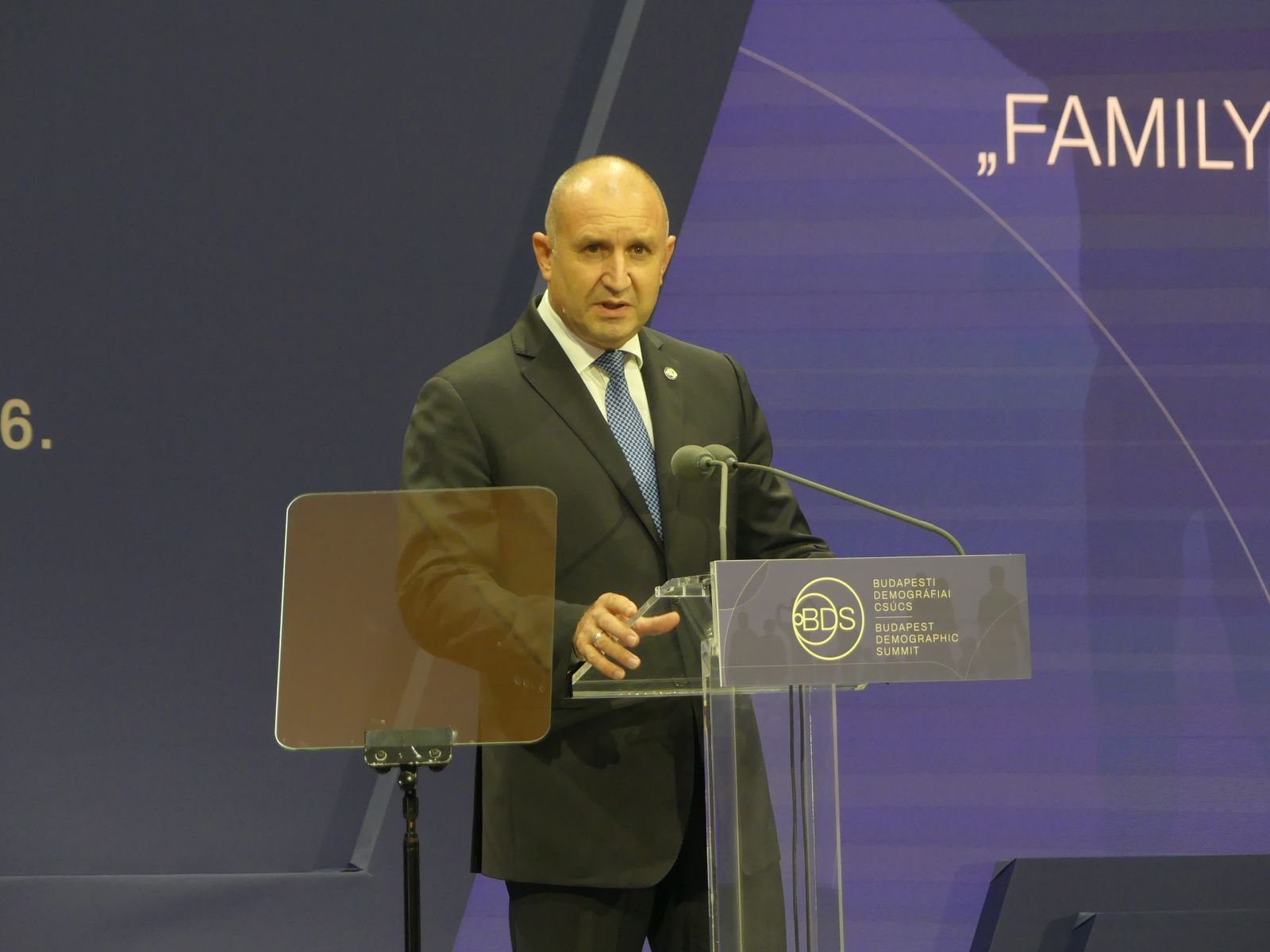
Bulgaria will no longer supply Ukraine with weapons and ammunition from its military stockpiles and will not provide new financial assistance for weapons purchases, Prime Minister Rumen Radev said on the sidelines of the European Political Community summit in Dublin.
"We will not provide any more weapons and ammunition from the Bulgarian Army's stocks," Radev told reporters on Friday, according to the Bulgarian News Agency.
Radev said Bulgaria cannot provide financial assistance under the current circumstances because it is subject to the European Union's excessive deficit procedure and is facing problems with its financial reserves. "Regarding financial aid, we ourselves are in an excessive deficit procedure, and Ms. Ursula von der Leyen has repeatedly asked us to reduce the deficit below the 3% limit," he said.
Sofia will not prevent other EU member states from providing financial support to Ukraine, Radev said, and is prepared to discuss mechanisms to ensure that any Bulgarian contributions are directed toward humanitarian needs, electricity supplies and medical assistance rather than weapons purchases.
If Bulgaria participates in providing financial guarantees, Radev said he will insist that the funds be allocated directly to supporting the Bulgarian community concentrated in several regions of Ukraine, including the southern Odesa region.
Leaders in Dublin discussed financing for Ukraine in 2027, including a proposed new European package worth about €70 billion. Radev also said Bulgaria does not support deploying military units on Ukrainian territory as part of the Coalition of the Willing, and that he opposes pursuing "peace through strength," arguing that continued military backing leads to greater casualties and escalation.
Radev said his position has been clear since his government took office in May. In June, Sofia announced it was ending transfers of armaments from the Bulgarian Army, and on October 21 the cabinet decided to stop financing lethal weapons purchases for Ukraine through the European Peace Facility, restricting future contributions to non-military assistance.
Exports from Bulgarian defence manufacturers, which were very high in 2022 and 2023, have begun to decline, Radev said, a shift he linked to the changing nature of the war: while there was initially enormous demand for Bulgarian-made ammunition, the need for drones is now increasing.
Around 40 countries from the wider Europe gathered in Dublin, where leaders adopted a charter setting out shared security principles. Radev's announcement lands as Ukraine's allies debate how to fund Kyiv next year and as peace talks continue following the latest round in Abu Dhabi, which ended without a breakthrough but with agreement on a prisoner exchange of more than 1,000 people on each side.