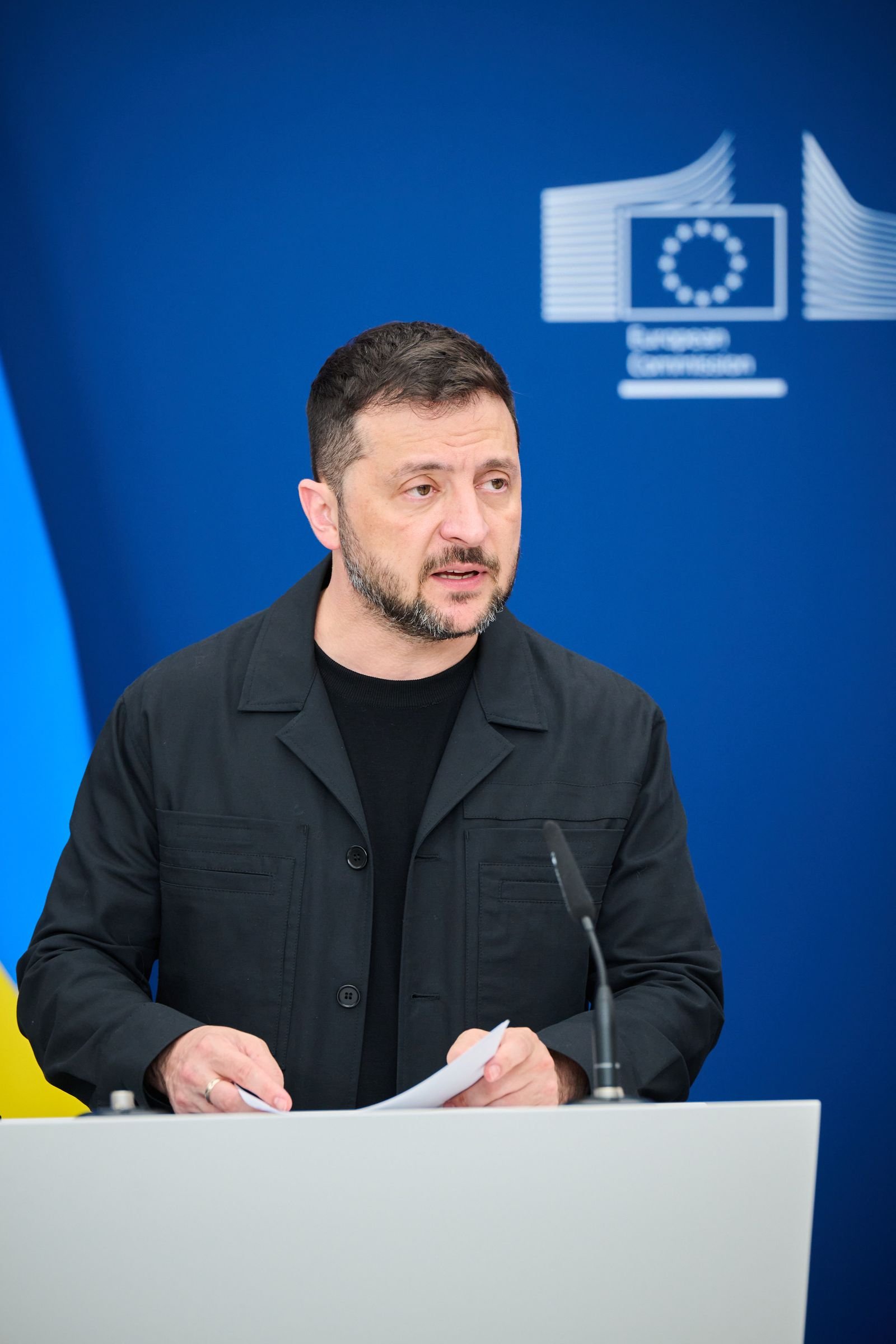
U.S. negotiators have floated the idea of Ukraine withdrawing from its eastern Donbas region in exchange for joining NATO, President Volodymyr Zelenskyy said on Saturday, following the latest round of peace talks with Russia in Abu Dhabi.
"The Americans raised a question: 'What if Ukraine joins NATO? Would Ukraine withdraw from Donbas?'" Zelenskyy said in remarks to reporters released by his office on Saturday. "That is why I believe NATO is back on the agenda. But you have also heard (Russian President Vladimir) Putin's signals, and this is an extremely difficult conversation."
This is the first time the question of linking NATO membership to territorial concessions has been raised during the talks, Zelenskyy said. Putin has long said Ukrainian membership of NATO is a red line for Moscow, citing the issue as one reason for launching Russia's full-scale invasion in 2022.
Zelenskyy reiterated that Kyiv was not ready to concede territory, but said that if it received a comprehensive package including security guarantees, the right to a strong and well-funded Ukrainian army and funds to rebuild, he would put the question to a national referendum.
Echoing comments made by European leaders at a summit in Dublin on Friday, Zelenskyy dismissed Russia's call for a broad agreement on European security architecture to be reached before the specifics of ending the war are agreed. "We cannot turn everything upside down and start by talking about changing the security framework in the world or across the continent overall, and only then talk about ending this war. This war must be ended first," he said.
Zelenskyy also dismissed Putin's suggestion for a local humanitarian ceasefire in Kostiantynivka, a hotly contested city in Ukraine's eastern Donetsk region, saying it reflected Moscow's inability to take the city by force. "Putin simply wants us to leave Kostiantynivka so that they can move in and occupy the entire city that way," he said. Ukraine has given a list of seven or eight other frontline settlements where civilians, including children, are trapped for a potential humanitarian truce, but Russia prefers to use them as military targets, Zelenskyy said. Moscow denies deliberately targeting civilians in the war.
The two days of U.S.-brokered talks between Ukraine and Russia concluded on Wednesday in Abu Dhabi without a major breakthrough, though the sides agreed to a prisoner exchange that will involve more than 1,000 people, Zelenskyy said. The final numbers for the swap were still under discussion.
U.S. peace envoys Steve Witkoff and Jared Kushner had pledged to raise an energy ceasefire with Putin at a meeting in Moscow on Thursday, Zelenskyy said, but there was no news of any progress after their talks. "Putin personally does not support a ceasefire," he said.
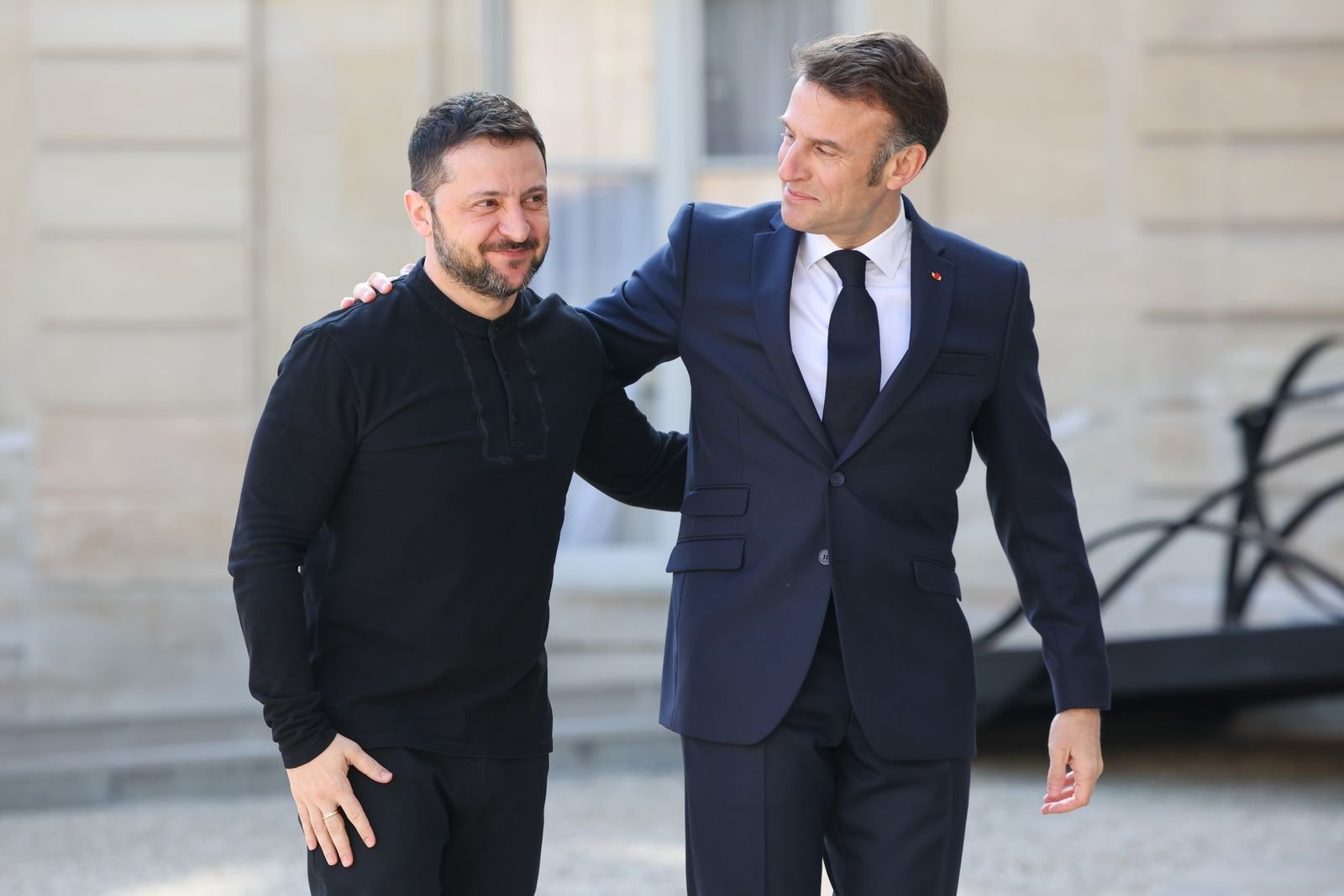
Zelenskyy met Witkoff and Kushner on Thursday in Ireland after their talks in Moscow. He said the U.S. negotiators had told him that all sides had agreed for Europe to have a seat at the negotiating table in forthcoming talks. In Abu Dhabi, delegates from Europe, which is now Ukraine's largest financial and military backer, had talks with U.S. and Ukrainian officials but did not sit at the table with Russia. At the Dublin summit, EU leaders agreed that Europe's team for any Ukraine peace talks would comprise five major military powers, non-EU member Britain plus France, Germany, Italy and Poland, as well as EU officials.
Further talks are expected in Abu Dhabi in the coming week, with Europe now set to take part.