Senegal has re-emerged as the principal departure point for migrants attempting the dangerous Atlantic crossing to Spain's Canary Islands, with a surge of boats overwhelming the tiny island of El Hierro and pushing arrivals for the year past the whole of 2025.
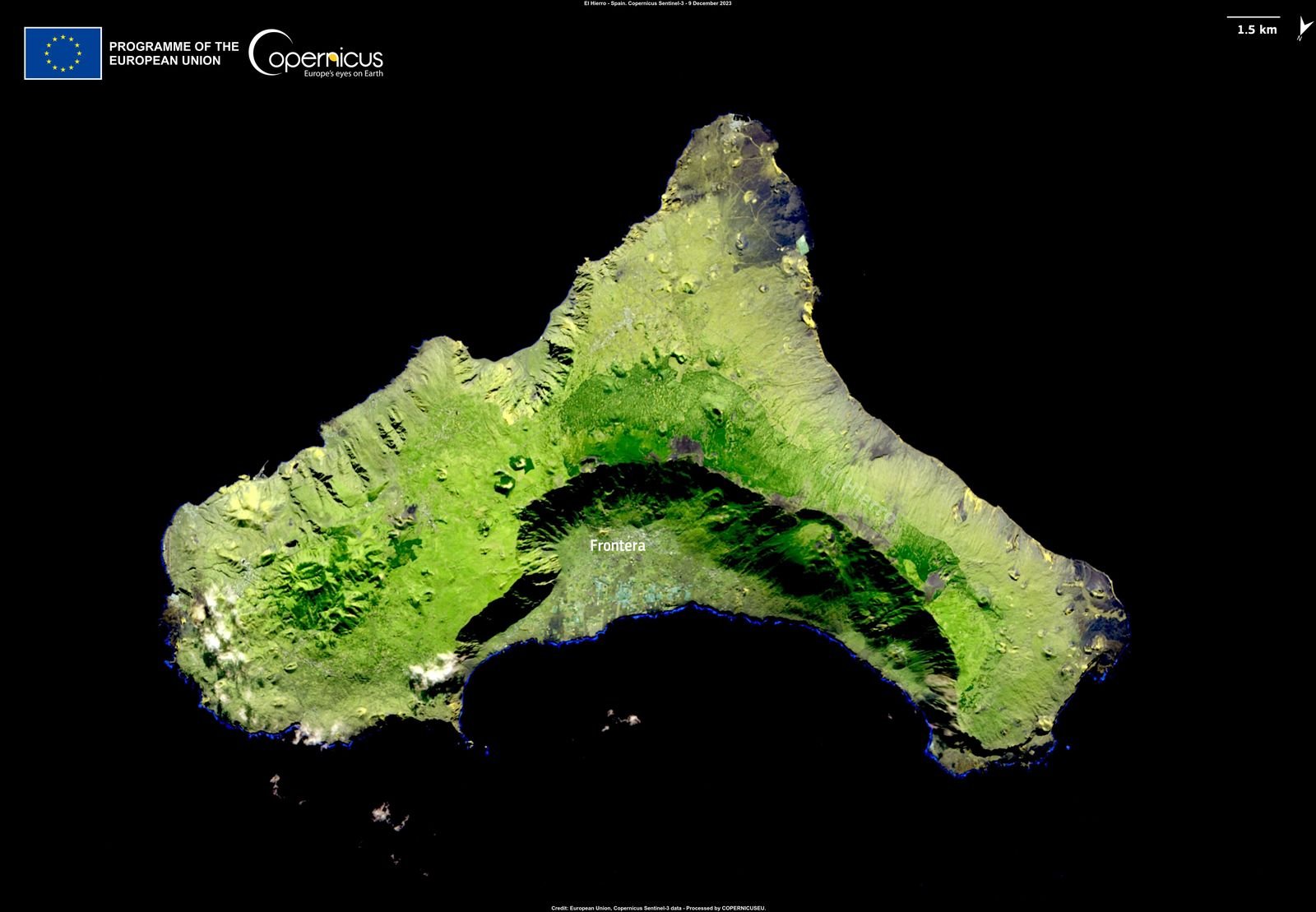
El Hierro received 14,816 migrants during 2026, including 11,296 between October 1 and November 13 alone, according to figures reported by El Pais. Only 3,520 people arrived between January and September, and the island's total for 2026 has already exceeded the 10,625 arrivals recorded throughout 2025.
At least 62 of the 102 migrant boats that reached El Hierro during October and the first 13 days of November came from Senegal, El Pais reported, with at least 31 more departing from neighboring Gambia. The scale of the latest surge is striking after two years of relative calm along the route.
Across the archipelago, more than 7,400 migrants arrived in the first 10 days of November, regional president Fernando Clavijo announced, including 4,587 people on 49 boats between November 1 and 6. October alone saw 6,194 arrivals on 65 boats, almost double the 3,708 received during the entire first half of the year, and the highest October total since 2013. Almost half of all the people arriving in the Canary Islands during the first 10 months of 2026 arrived in October alone.
El Hierro, home to about 11,400 people, declared a state of social emergency on November 6 after more than 3,300 people arrived there on roughly 30 boats since the start of the month. Clavijo called the situation "absolutely unsustainable" and said the pace was approaching the record levels of 2024 and, on some days, exceeding them. The island has asked Madrid for help.
The departures have been driven by economic hardship, political disillusionment and the decline of traditional fishing livelihoods in Senegal, where official youth unemployment stands at 23.5 percent. September, October and November are traditionally favorable months for departures, as the rainy season ends and Atlantic waters are often relatively calm, but this year the seasonal pattern coincided with a temporary reduction in coastal surveillance during the Dakar Youth Olympic Games, held from October 31 to November 13.
Boubacar Seye, president of the NGO Horizons sans Frontiers, told El Pais that young people and those organizing departures recognized the opportunity created by the security deployment for the Games. The departures have also spread across Senegal's coastline rather than being concentrated in one location, with boats leaving from Kafountine and Ziguinchor in the south, Saint-Louis in the north, and Sine Saloum, Mbour, Kayar, Mboro and Potou.
Spain's government has moved to respond. Interior Minister Fernando Grande-Marlaska visited Senegal on November 6, urging the country to strengthen efforts to prevent dangerous departures, and following a meeting of Spain's Interministerial Commission on Immigration on November 10, the government accepted eight measures proposed by the Canary Islands to address the situation.
The surge stands in contrast to the wider European picture. Frontex, the European border agency, reports that irregular crossings across Europe fell 29 percent, even as the Atlantic route to the Canaries has accelerated sharply. Spain's Interior Ministry recorded 13,327 arrivals in the Canaries between January 1 and October 31, down 5.5 percent on the same period of 2025, but 4,357 people arrived in the second half of October alone.
The longer crossings have also increased the dangers people face. Spanish migration organization Caminando Fronteras recorded at least 635 deaths or disappearances along the Canary Islands route between January and May 2026, and at least one person died among those rescued in the first week of November. Spain's Interior Ministry is due to publish its next fortnightly report, covering the period through November 15, which is expected to show the November figures for the first time.