The cost of living sat at the center of the 2026 midterm elections, and new survey data helps explain the results. The AP Voter Poll, which surveyed about 100,000 midterm voters, found that roughly two-thirds of them blame President Donald Trump's policies for inflation.
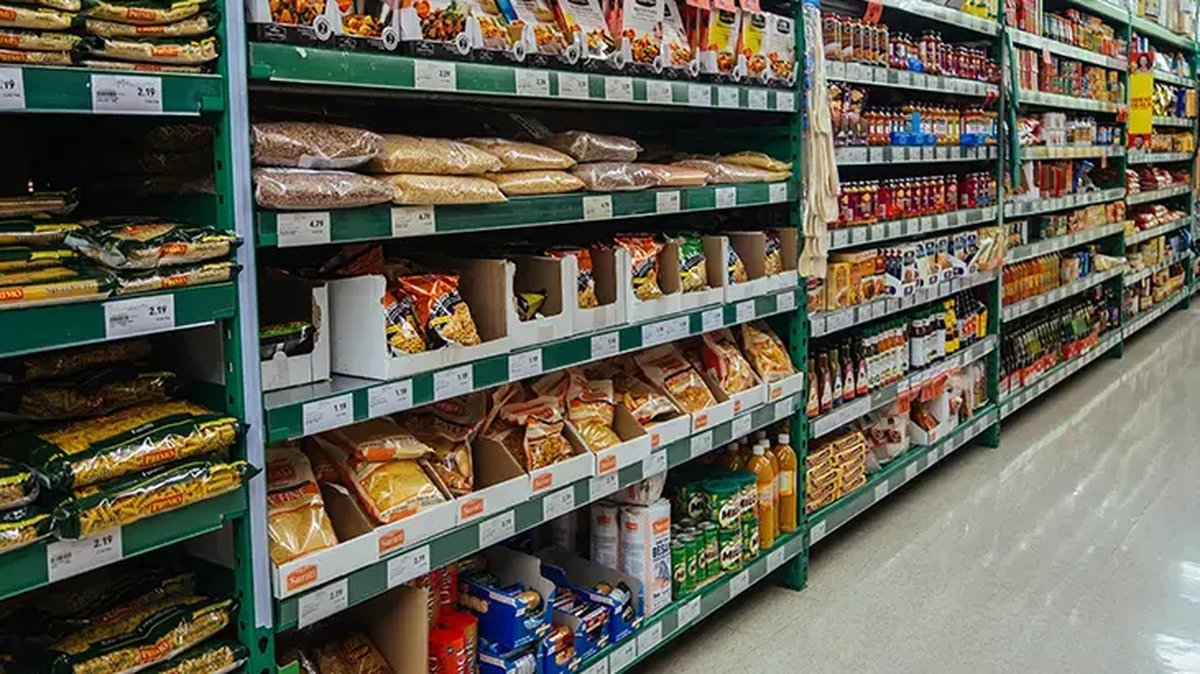
The poll's findings align with the price data voters have been living with. Consumer prices rose 3.7 percent over the past 12 months — an acceleration from the 3 percent rate recorded when Trump began his second term. For households, that difference shows up in grocery bills, rent and everyday purchases, and it formed the economic backdrop against which voters cast their ballots.
The breadth of the AP survey — about 100,000 respondents — makes it one of the largest instruments for measuring the mood of the midterm electorate. Its central finding, that about two-thirds of voters assign responsibility for inflation to the president's policies, suggests the election functioned in large part as a referendum on the administration's economic record.
That reading is consistent with the results themselves. Democrats won at least 250 House seats and at least 54 Senate seats, according to CNBC, flipping seven Senate seats and winning even in districts Republicans had redrawn in their favor. It is rare for a president's party to suffer losses on that scale without a dominant grievance among voters, and the AP data points to prices as that grievance.
Inflation was not the only issue in the campaign. The war with Iran weighed on Republicans as well: Vice President JD Vance openly blamed the conflict for the party's loss, and Trump acknowledged it cost votes while saying he would launch the operation again. But the poll suggests economic discontent was the broader current running through the electorate.
The findings present the incoming Democratic majority with both an opportunity and a warning. Voters who punished the president's party over prices will expect results from the new Congress, which takes office on January 3, 2027. At the same time, the tools available to Congress to move consumer prices quickly are limited — a reality that could test public patience with the new majority as it did with the administration.
For the White House, the poll frames the challenge of the next two years. Trump has taken a conciliatory tone since the election, telling CNBC he can work with Democrats on 'many more things than people understand.' With roughly two-thirds of midterm voters blaming his policies for inflation, the president's economic standing will be the ground on which that cooperation — and the politics of 2027, including an expected debt ceiling fight — will be contested.