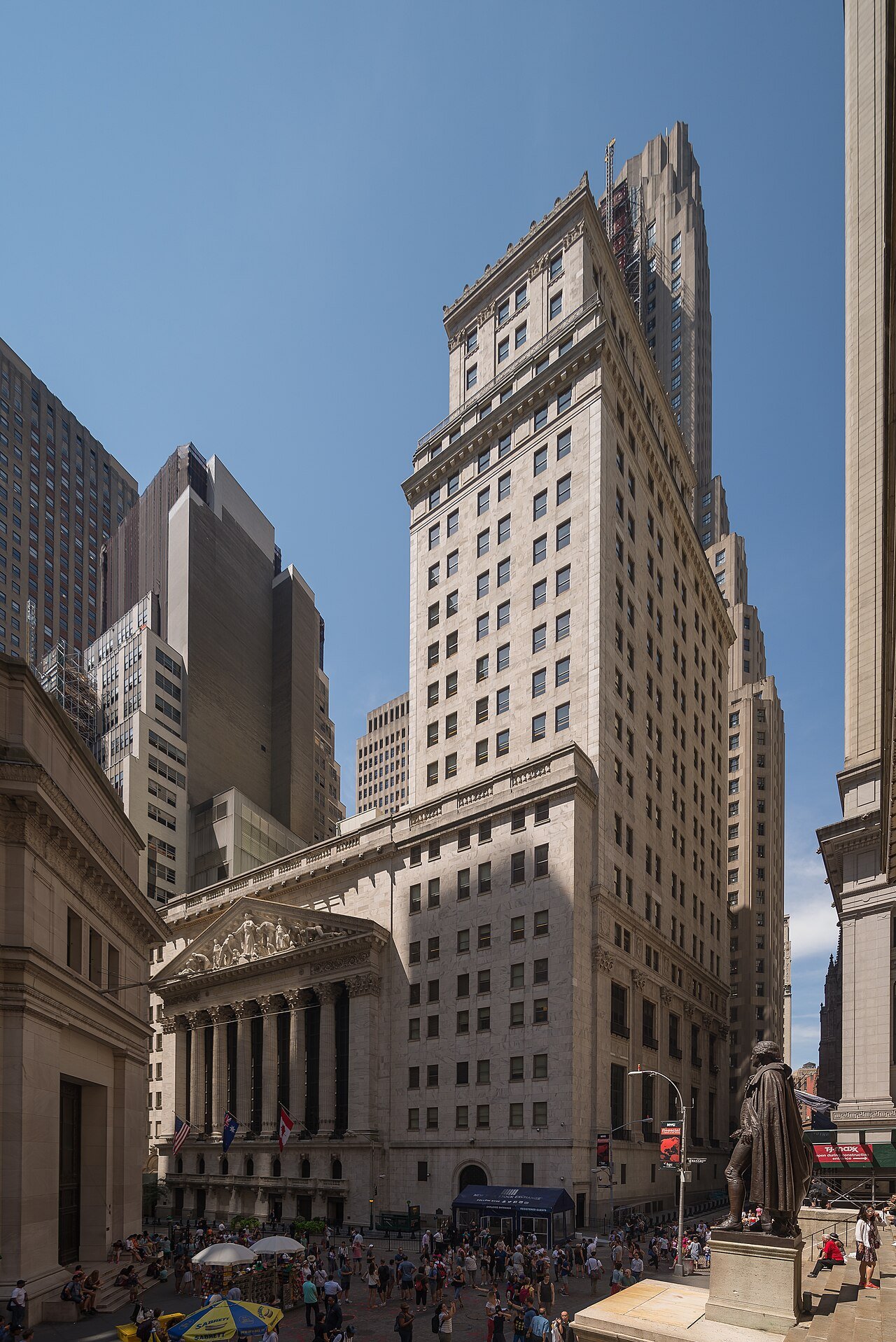
Stock futures slid overnight as the Democratic sweep became clear. By the closing bell on Wednesday, November 4, the Dow Jones Industrial Average had jumped 1,569 points, or 3.03 percent, to close at 53,356 — its best post-midterm performance in 44 years and its strongest single day since April 9, 2025. The S&P 500 gained 1.58 percent to 7,689 and the Nasdaq Composite rose 1.44 percent to 25,737. If you only watched the overnight futures, you would think the market had changed its mind. It had not changed its mind. It had changed its question.
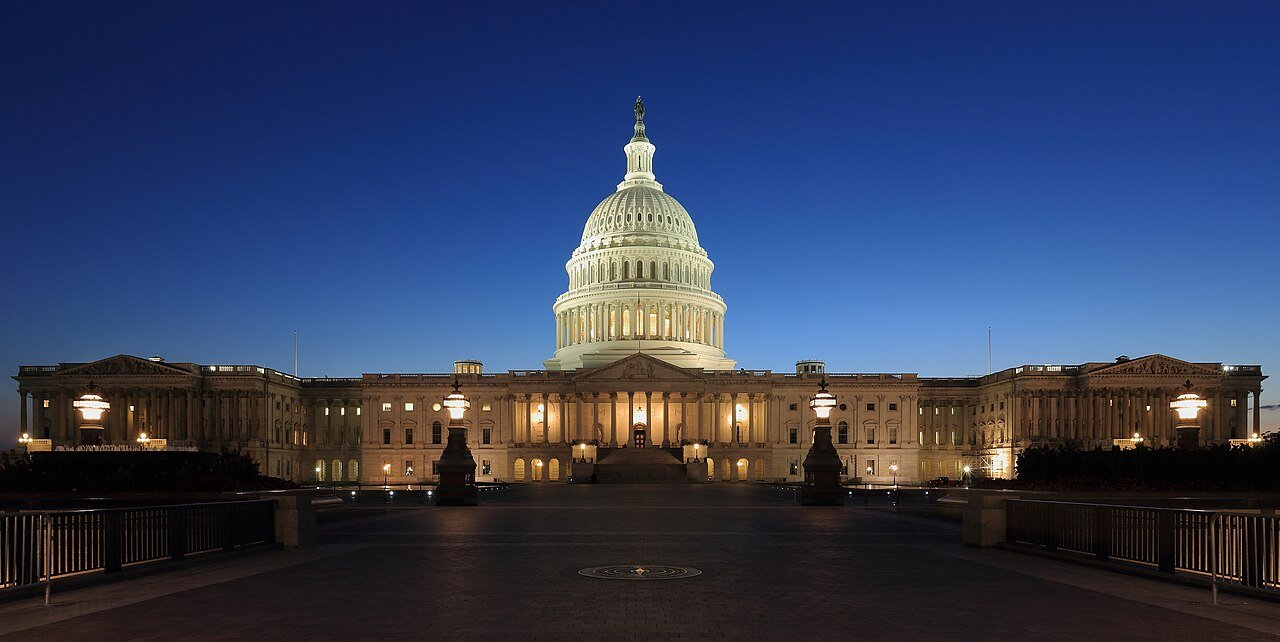
Overnight, traders were asking who won. By morning, they were asking what winning actually changes. A Democratic Congress facing a Republican president with a veto pen means divided government, and divided government has a long, reassuring history on Wall Street: fewer abrupt policy changes, fewer sweeping bills, and a legislative process that moves slowly enough for businesses to plan around it. Investors, in other words, were not betting on Democratic policies. They were betting on gridlock.
The second driver was oil, and it may have mattered more than the politics. U.S. crude fell about 8 percent on Wednesday, with West Texas Intermediate dropping to about $88 a barrel, as traders bet that a Democratic Congress would add pressure to end the war in Iran. Cheaper oil means cheaper gasoline, cheaper transport, and less inflation pressure — and on Wednesday, money poured out of energy stocks and into consumer names. Amazon, Microsoft, and Apple were among the day's leaders. The VIX, Wall Street's fear gauge, fell roughly 20 percent.
There is also a simpler, more boring explanation that deserves respect: midterm elections ending is itself good for markets. The S&P 500 has been higher six and twelve months after every single midterm election since 1950, with a median twelve-month gain of 14.5 percent, and the fourth quarter of midterm years has historically been the strongest of the presidential cycle. Uncertainty is a tax on share prices, and on Wednesday morning that tax was lifted.
None of this means the rally will last. The new Congress is not seated until January, the Federal Reserve remains a wild card, and the same oil price that fell on hopes of peace could rise again if those hopes fade. One strong session does not make a bull market, and the history books are full of post-election rallies that gave it all back. But Wednesday taught a useful lesson about how markets actually think: they do not vote. They price risk. And on November 4, for the first time in a long while, the risk looked smaller than the fear.