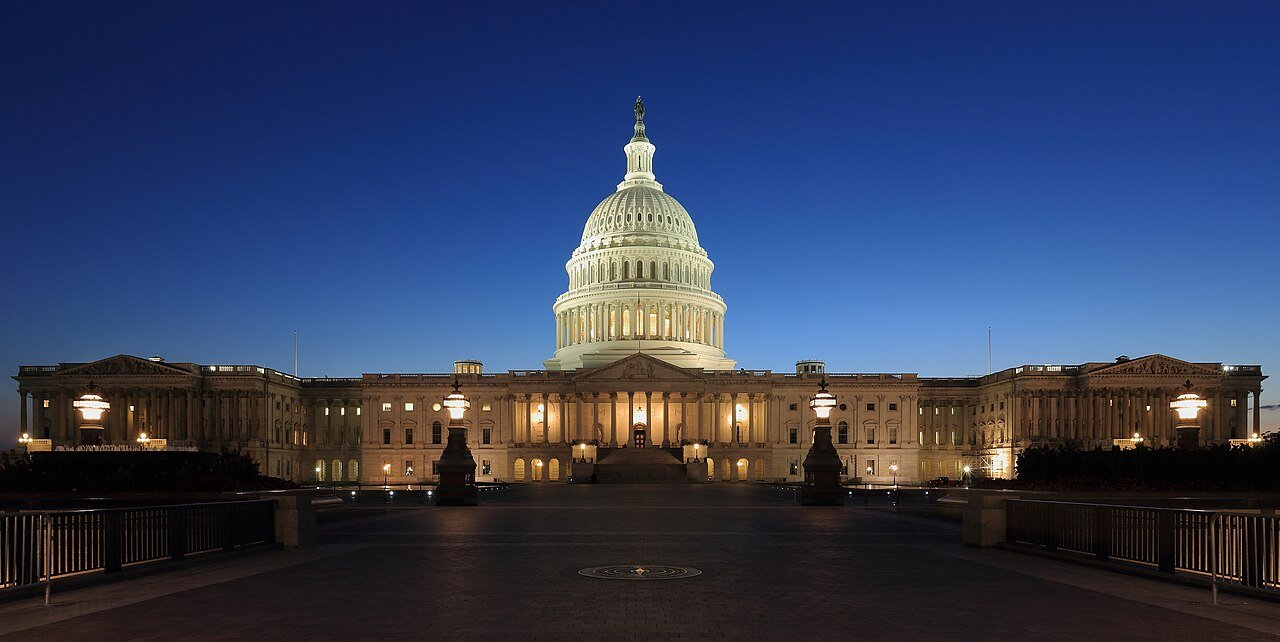
Two days before the midterm elections, Representative Ro Khanna went on "Fox News Sunday" and said the quiet part out loud. "I would stop the funding. The House and the Senate should stop the funding for any further actions in the Iran War," he said. "That's what we did to stop the Vietnam War, and we need to stop this war in Iran." He tied the war directly to the gas prices squeezing voters, and promised that a Democratic Congress would act "on day one." Now Democrats control both chambers. The slogan is about to meet the machinery.
The stakes are not abstract. The war in Iran began on February 28, 2026, with U.S. and Israeli strikes, and the U.S. military has spent more than $47 billion on it so far, according to Pentagon data obtained by Reuters and reported in late October. The administration has requested $67 billion in supplemental funding, and the House has approved a $1.15 trillion defense bill that includes tens of billions more in war funding. Meanwhile, Khanna has introduced the Illegal War Refund Act, which would calculate the war's economic costs to American taxpayers — Moody's Analytics economist Mark Zandi estimates $230 billion, or $1,760 per household — and return the money to tax filers by cutting the Defense Department budget.
Khanna's argument rests on a genuine constitutional power. Under Article I, no money can be drawn from the Treasury except through appropriations made by law, and Congress has used that power before: in 1973, it barred funds for combat in Cambodia and Laos, a step widely credited with helping end American involvement in Vietnam. The House has already passed three Iran war powers resolutions, most recently 220-204 on September 15, with seven Republicans joining Democrats. The political ground for a funding fight has been prepared for months.
But there is a catch Khanna glossed over, and it matters. He told Fox News that the president "can't veto that," because the House and Senate hold the power over appropriations bills. In fact, appropriations legislation does go to the president's desk and can be vetoed. A funding cutoff would either need a veto-proof majority — a much higher bar than a simple majority — or it would need to be attached to must-pass spending legislation at a moment when a shutdown is the alternative. That is a game of chicken, not a press release, and it is a game in which American troops and assets are still in the region.
That does not make the funding strategy empty. Far from it. The history of war powers in America is that resolutions are symbolic and budgets are real, and a Congress that controls the purse can force a negotiation that a Congress armed only with resolutions cannot. Vice President JD Vance himself attributed Republican election losses in part to the Iran war, which suggests the White House already feels the political cost. The most likely outcome is not a clean cutoff on day one, but a grinding negotiation: funding restrictions attached to spending bills, conditions on further operations, and a president who must choose between signing limits he dislikes or vetoing money his own military needs.
Watch the spending deadlines, not the speeches. That is where this war will actually be decided.