Thanksgiving falls on Thursday, November 26, 2026, and for most American households it is really three events packed into one long weekend: a travel day, a hosting day, and a bill. The families that enjoy it most are usually the ones that planned all three separately, instead of letting the holiday happen to them. A little planning now buys a calmer table later.
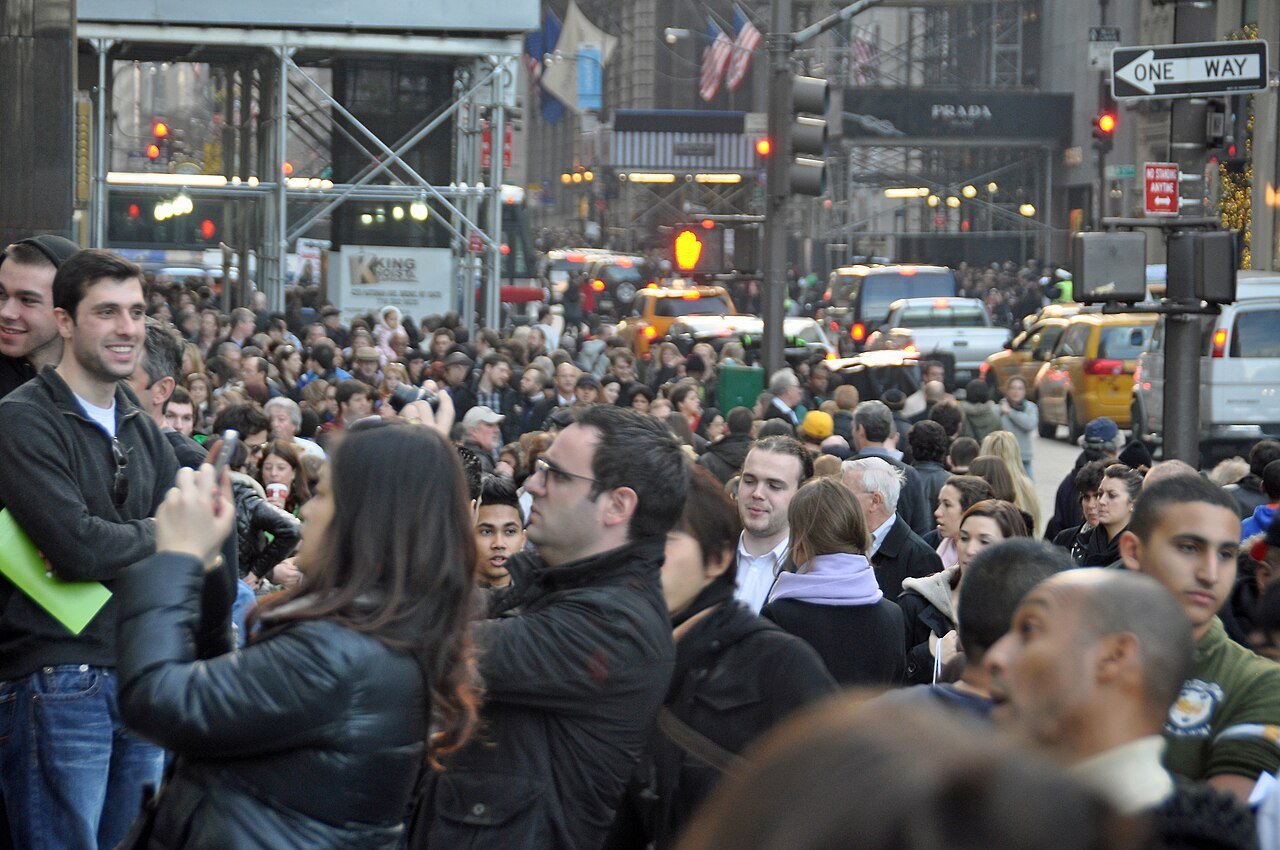
Start with travel, because it decides everything else. The Tuesday and Wednesday before Thanksgiving are traditionally among the busiest travel days of the year, and the Sunday after is the busiest day to come home. If you can travel on the holiday itself, or fly out early on Tuesday and return on Saturday instead of Sunday, you will usually find thinner crowds and calmer roads. Whatever day you pick, leave earlier than you think you need to, keep chargers and snacks in your carry-on rather than the trunk, and check your flight or route before you leave the house rather than after.
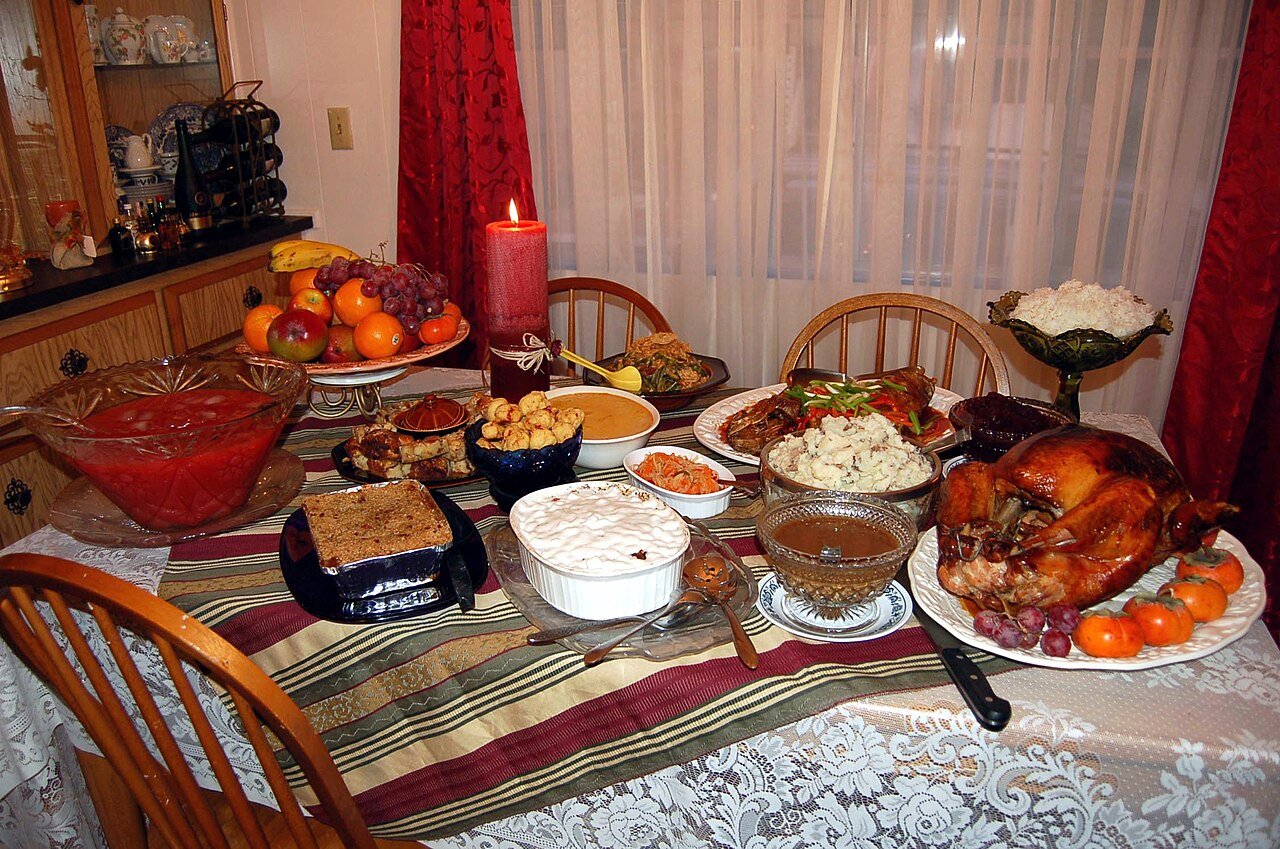
Hosting is mostly arithmetic. Decide the guest list first, then let it set the menu, not the other way around. As a rough guide, the U.S. Department of Agriculture suggests about a pound of uncooked whole turkey per person, a little more if your crowd likes leftovers. Buy the bird frozen and early, while stores still have every size, and let guests bring a dish or two: a potluck Thanksgiving is not a lesser Thanksgiving, it is how most big families have always done it.
The turkey itself rewards patience and punishes rushing. The USDA recommends thawing in the refrigerator and allowing about 24 hours of thaw time for every 4 to 5 pounds, so a 16-pound bird needs about four full days in the fridge. Never thaw a turkey on the counter. Set the oven no lower than 325 degrees Fahrenheit, and cook until a food thermometer reads 165 degrees in the innermost part of the thigh and wing and the thickest part of the breast. Stuffing cooked inside the bird needs to reach 165 degrees as well.
Leftovers deserve the same care as the main event. Refrigerate them within a couple of hours of serving and plan to use them within three to four days. Turkey sandwiches, soup, and a second dinner from the same bird are the quiet payoff for cooking a big one, and they stretch the grocery budget further than any coupon will.
None of this requires spending more. Store brands, a shorter menu done well, and a firm guest count will save more than chasing every sale. Thanksgiving is a good meal with people you like, on a day you actually get to enjoy. Plan the travel, respect the turkey, and let the rest be simple.
The menu itself deserves the same discipline as the guest list. Four or five dishes done well will always beat a crowded table of half-finished ones, and the classics are classics for a reason: turkey, stuffing, mashed potatoes, cranberry sauce, and one vegetable your family actually eats. If a relative has a dish they make better than anyone else, let them bring it. A dessert table that leans on one great pie and a store-bought backup will save an afternoon of baking that nobody asked for.
Finally, give the day a shape before it starts. Decide when dinner is served and tell everyone, put the football game or the parade on in the background rather than letting it become the day, and build in a quiet hour after the meal when nobody is expected to do anything at all. Thanksgiving is a long day by design. The hosts who enjoy it are the ones who planned a pace they could actually keep, not a schedule that required a sprint from morning to night.
Source: Illinois Extension