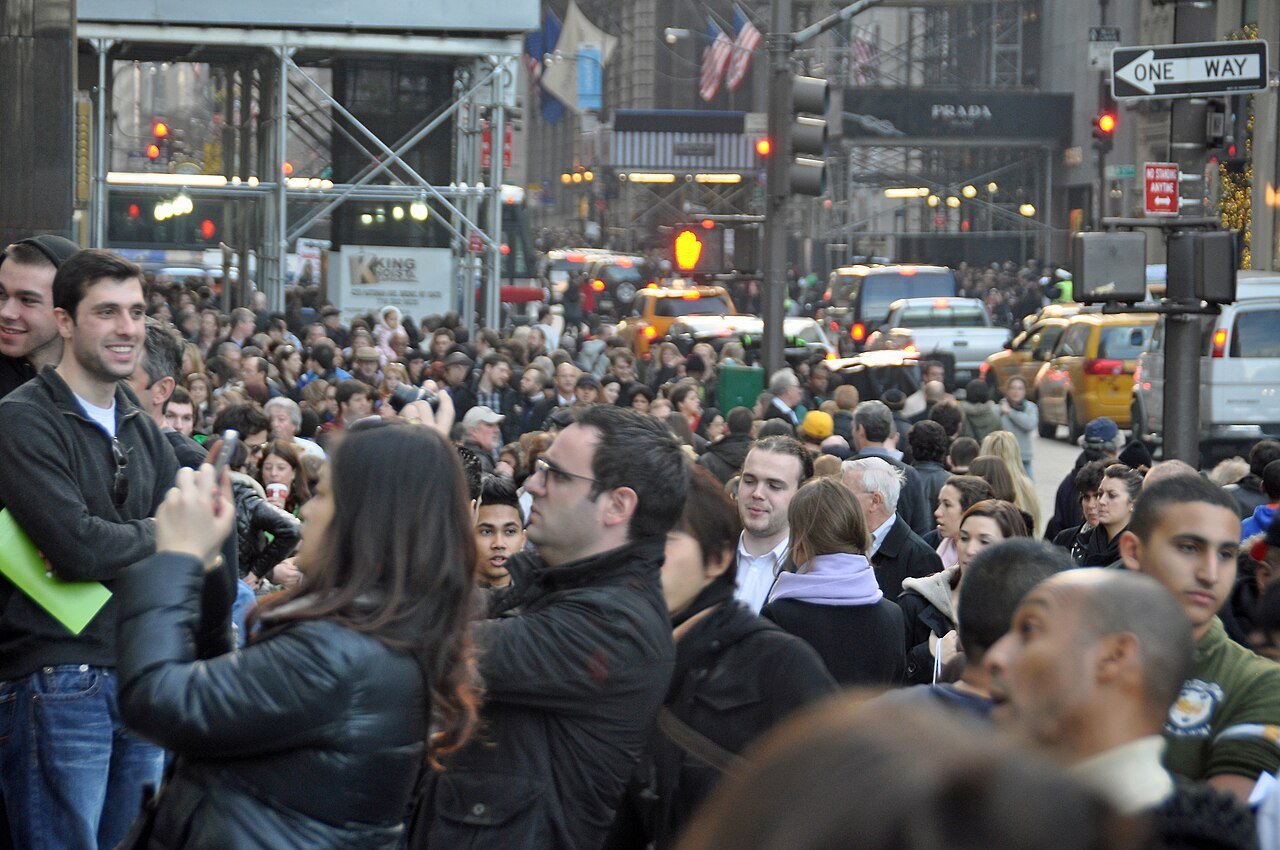
Black Friday 2026 falls on Friday, November 27, the day after Thanksgiving, and this year the numbers behind it are bigger than ever. Adobe forecasts $275.1 billion in U.S. online holiday spending between November 1 and December 31, up 6.7 percent on last year, with $12.9 billion expected online on Black Friday itself, up 9.2 percent. Cyber Monday, on November 30, is still forecast to be the biggest online day at $15.1 billion, while the five-day Cyber Week stretch is expected to total $47.5 billion online. Bain expects total U.S. retail sales from Black Friday through Cyber Monday to top $85 billion.
The first thing to understand is that the sale started long before Friday. Adobe recorded $95.8 billion in U.S. online spending in October alone, up 8 percent, as shoppers chased early deals. Discounts have been building in stages all month, reaching up to 30 percent off list price during Cyber Week. That means the best strategy is not to wait for one magic day. Watch the categories you actually want, and buy when the price hits your number rather than when the calendar says so.
Most of this year's shopping will happen on a phone. Adobe expects a record 63 percent of Thanksgiving Day online spending to come through mobile devices, and more than half of the whole season's online spend. Buy-now-pay-later is expected to reach $21.3 billion this season. Both are convenient, and both make it easier to spend money you had not planned to spend, so treat them as tools with a cost rather than as free money. A deal financed at a high cost is not a deal.
The smartest shoppers this year will do four boring things. First, make a list before you open a single store app, and set a total budget for the season. Second, track the price of anything expensive for a few days before you buy it, because a discount from an inflated reference price is not a saving. Third, read the return policy before checkout, especially for electronics and gifts. Fourth, compare the same item in two places, because the biggest advertised discount is not always the lowest final price once shipping and fees are counted.
Stores are counting on the crowd. Bain's survey found 64 percent of consumers plan to shop on Black Friday, up from 55 percent in 2025, and that enthusiasm is exactly what turns a good plan into an impulse purchase. If you feel the rush, close the app and come back in an hour. The deals that matter will still be there, and the ones that will not be there were probably not worth buying in the first place.
Black Friday rewards preparation more than speed. Know what you need, know what it usually costs, and know your limit. The season's biggest savings go to the shoppers who decided all three before the first banner ad loaded.
Watch out for the traps that look like deals. Gift cards sold at a small discount, doorbuster quantities that run out in minutes, and bundle prices that hide a slow-selling item are all designed to make you feel you are winning while you spend more than planned. A bundle is only a saving if you wanted every item in it. The same goes for store credit offered instead of a refund: it is not cash, and it only has value if you were going to shop there again anyway.
After the purchase, the work is not over. Keep every receipt and confirmation email, because many stores will match a further price drop for a week or two after you buy. Test electronics and try on clothing within the return window rather than leaving them in a drawer until January. And if something arrives damaged or different from the listing, report it immediately; the longer you wait, the harder the refund becomes. A good deal is only good once the product works and stays bought.
Shopping this season? Start at Amazon — shop deals and compare prices before you buy.
Disclosure: Latest Global Insight may earn a commission on purchases made through affiliate links on this page, at no extra cost to you.
Source: ShippyPro