On November 4, Carl Pei, the chief executive of the London consumer electronics company Nothing, announced that the company's first AI-native product will ship in December 2026. He did it in an essay titled Toolmakers, published on X, and the wording is the whole story so far. Pei called the device a tool, built with the personality and care that have come to define a Nothing product. Then he added the two details that make it news: it has no new screen, and it could not have been an app. Nothing has not revealed the product's name, its price, its specifications, or an exact release date. A teaser image shows a matte, dark object with rounded corners, labeled Coming Soon. That is everything the company has confirmed.
The lack of detail is the point, and also the risk. A screen is the most expensive part of most gadgets, and removing it is a genuine design decision, not a cost-cutting trick. It means the device is meant to be used without looking at it — spoken to, listened to, carried, and otherwise ignored until it is needed. Pei framed it as a productivity tool rather than a mainstream consumer gadget, built to capture fleeting ideas and context that phones often miss. Nothing already has a software version of that idea on its smartphones, in the form of the Essential Key and Essential Space features, which let users save notes, screenshots and voice memos into an AI-organized collection. The December device appears to be that idea, removed from the phone and given a body of its own.
What that body actually is, nobody outside Nothing knows yet — and the honest reporting says so. Journalists covering the announcement have widely speculated that the device could be a note-taker or ambient recorder, a small gadget that listens, transcribes and summarizes. That is speculation, not reporting, and it should be read as such. Bloomberg's Mark Gurman reported in March that Nothing's first AI-focused hardware would arrive before the end of 2026, which fits the December timing. Reports also say Nothing is developing two AI smart glasses — one with a camera and one without — for the first half of 2027. None of that has been confirmed as connected to the December device.
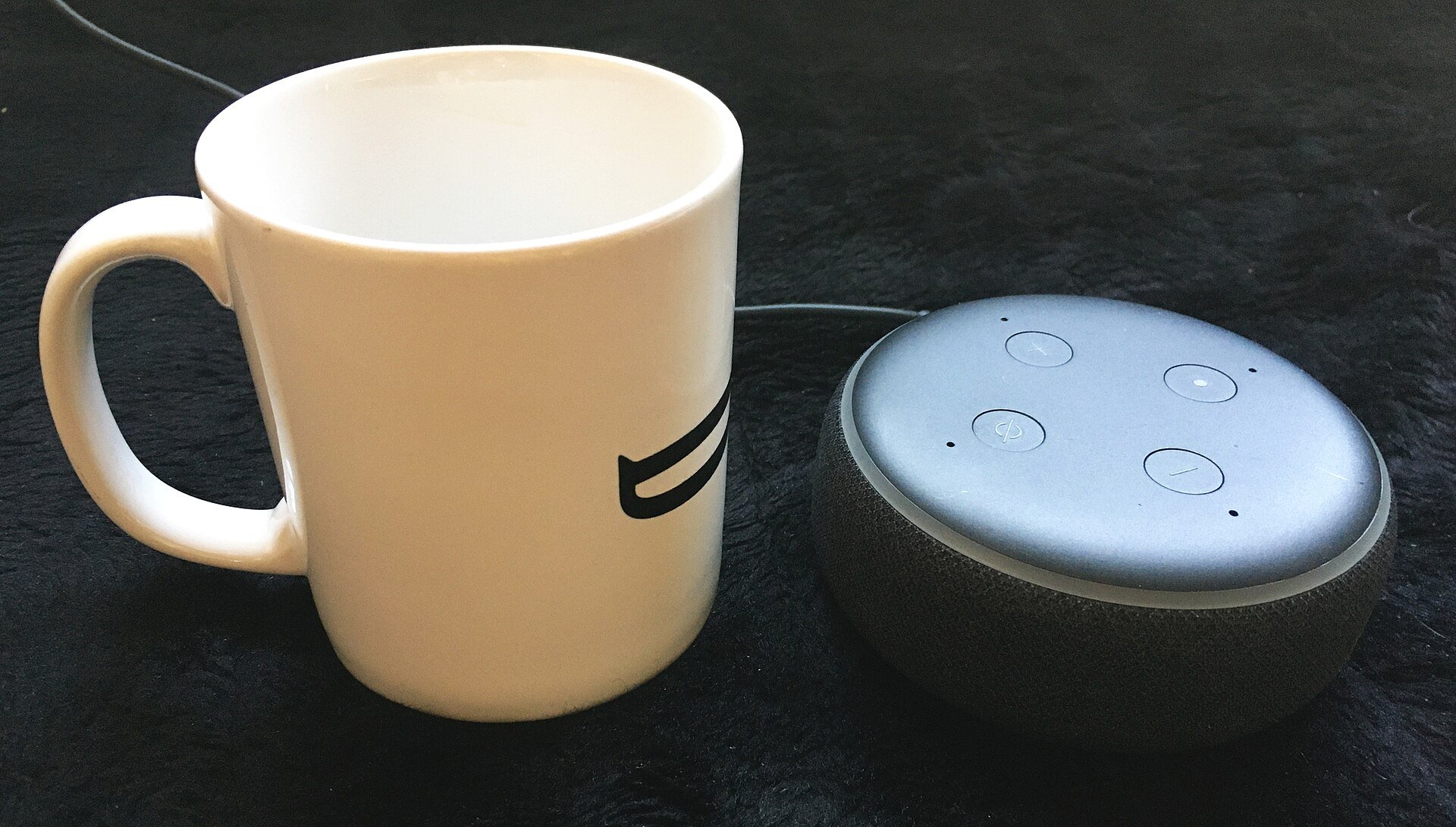
The category has a graveyard, and any honest account of this announcement has to walk through it. The Humane AI Pin, the most famous screen-free AI gadget, failed and the company was sold off. The Friend pendant, another attempt, has barely registered. The lesson the industry took from those failures is not that people hate screen-free devices — smart speakers, after all, are screen-free AI devices sitting in millions of American homes. The lesson is that a dedicated AI gadget has to do one thing so well that it earns a place next to the phone, rather than asking to replace it. OpenAI is reportedly working with designer Jony Ive on an AI smart speaker of its own, which suggests the industry's smartest money has reached the same conclusion: the winning form may be a speaker, not a pin.
Three questions will decide whether Nothing's device matters. The first is price. The AI Pin cost 699 dollars plus a monthly subscription, and the subscription became a symbol of everything wrong with the product. The second is privacy. A device built to capture context has to listen, and it has to convince people that listening is safe. The third is focus: whether it does one thing brilliantly or five things adequately. Pei's essay suggests Nothing understands the assignment. He called it a tool, not a platform, and tools are judged by whether they work, not by whether they impress.
For now, the right response to the announcement is curiosity without a credit card. A teaser is a promise, not a product, and any website giving you specifications or a ship date right now is speculating. December is a month away. When the device arrives, the questions will be simple: what does it do, what does it cost, and does it earn its place in your pocket? Until then, the most interesting thing about Nothing's announcement is not the device itself. It is the bet behind it — that the next wave of AI hardware will be smaller, quieter and less interested in your attention than the phone in your hand.