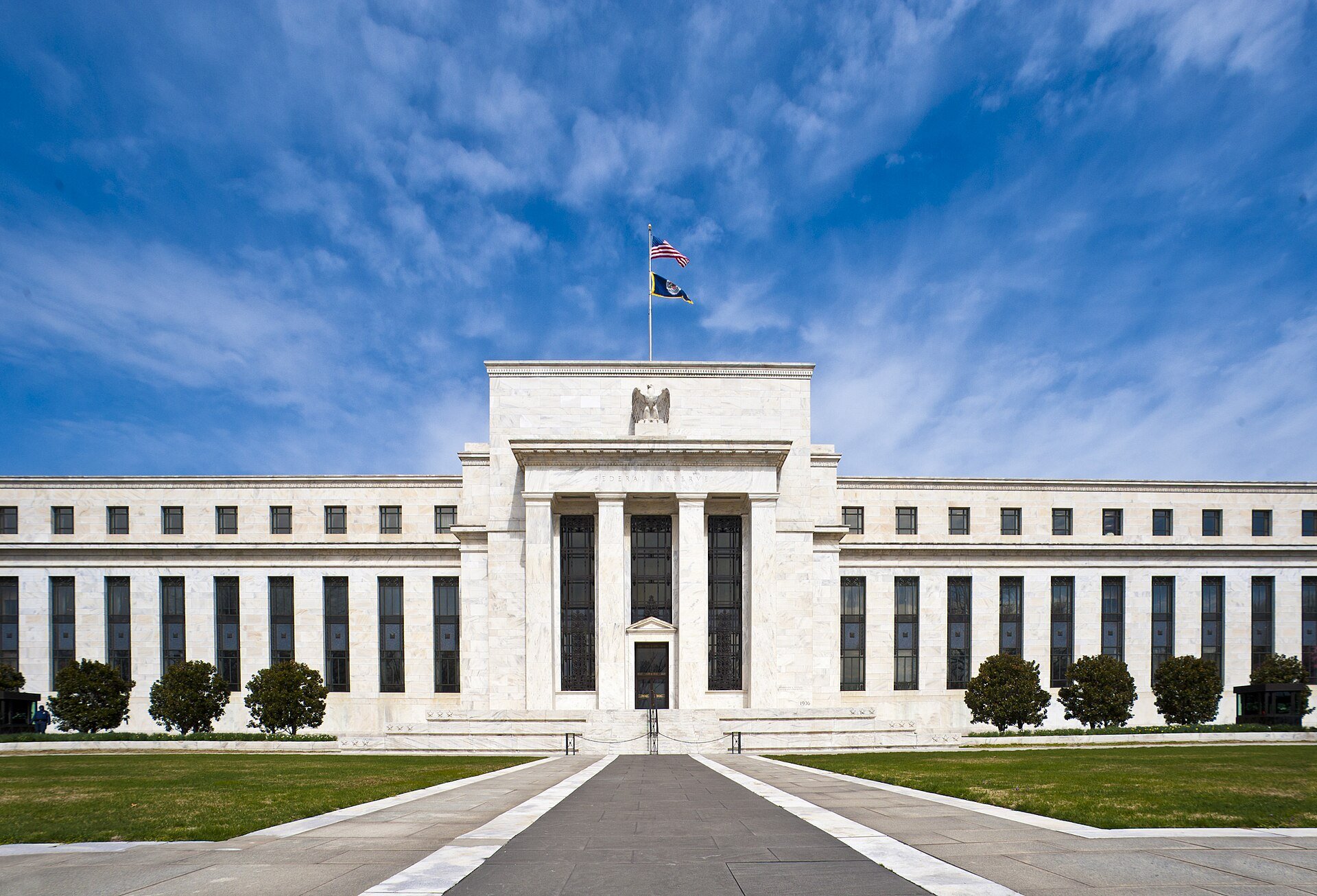
On October 28, the Federal Reserve held its benchmark interest rate steady, keeping the target range for the federal funds rate at 3.75 to 4.00 percent. The vote was 10 to 2, and both dissenters — Lisa Cook and Beth Hammack — preferred to raise the rate by another quarter point rather than hold it. The decision followed a quarter-point increase on September 16, approved 12 to 0, so the hold does not undo the higher-rate environment established at that meeting. For businesses hoping for cheaper working capital, the decision offered stability at the benchmark level, not a financing reset.
What does a hold actually mean in plain English? It means the cost of money is not changing this month. The effective federal funds rate stood at 3.88 percent in early November, the bank prime loan rate — one of several base rates banks use to price short-term business loans — stood at 7.00 percent, and the discount window primary credit rate stood at 4.00 percent, according to the Federal Reserve's daily H.15 release. The 10-year Treasury yield, which matters more for mortgages and long-term borrowing, hovered near 4.94 percent at the end of October after briefly crossing 5 percent. None of those numbers moved because of the October 28 decision. They are the landscape a business borrows in, and the landscape is unchanged.
The reason for the hold is inflation. September's personal consumption expenditures price index showed inflation at 3.6 percent, with core inflation — which strips out food and energy — at 3.1 percent. Both are above the Federal Reserve's long-term goal of 2 percent. At the same time, the labor market has held up: job gains have kept pace with the growth of the workforce, and the unemployment rate has changed little. That combination — inflation still too high, jobs still solid — is exactly the situation in which a central bank waits. Cutting rates would risk letting inflation settle in. Raising them would risk breaking a labor market that is not broken.
Politics was the question in the room, and Fed Chair Kevin Warsh answered it directly at the October 28 press conference, saying politics played no role in the decision. The timing invited the question: the decision came six days before the midterm elections, and a rate increase just before voting would have drawn political attention. Warsh also said that financial and credit conditions had tightened for some businesses and households since September, while declining to characterize overall conditions as tight. The distinction matters. Averages can hide a lot. Some borrowers are already feeling the squeeze even while the aggregate numbers look stable.
The credit data backs up that careful wording. The Federal Reserve's Senior Loan Officer Opinion Survey, released September 30, found that most banks left their lending standards unchanged over the prior three months: 88.3 percent for large and middle-market firms, and 91.5 percent for small firms. But 6.7 percent of banks tightened standards somewhat for larger firms, and 6.8 percent did so for small firms, while only about 5 percent and 1.7 percent respectively eased. Of the banks that tightened, 60 percent cited a less favorable or more uncertain economic outlook. A steady Fed rate does not freeze lender pricing, underwriting standards, or borrowing costs. Those move on their own logic, and right now that logic leans cautious.
What happens next is genuinely undecided. The next scheduled policy meeting is December 8 and 9, and it comes with a Summary of Economic Projections — the set of forecasts that tells markets what officials actually expect. A rate increase is not decided, and neither is a cut. If a hike comes, the first costs to move are the short-term ones: construction and land loans, variable-rate business loans, and anything priced off prime. An existing fixed-rate loan keeps its agreed payments either way. For a business owner, the practical question is not what the Fed does in December. It is whether the financing on offer fits the business's cash flow at today's rates — because today's rates, for now, are the rates.