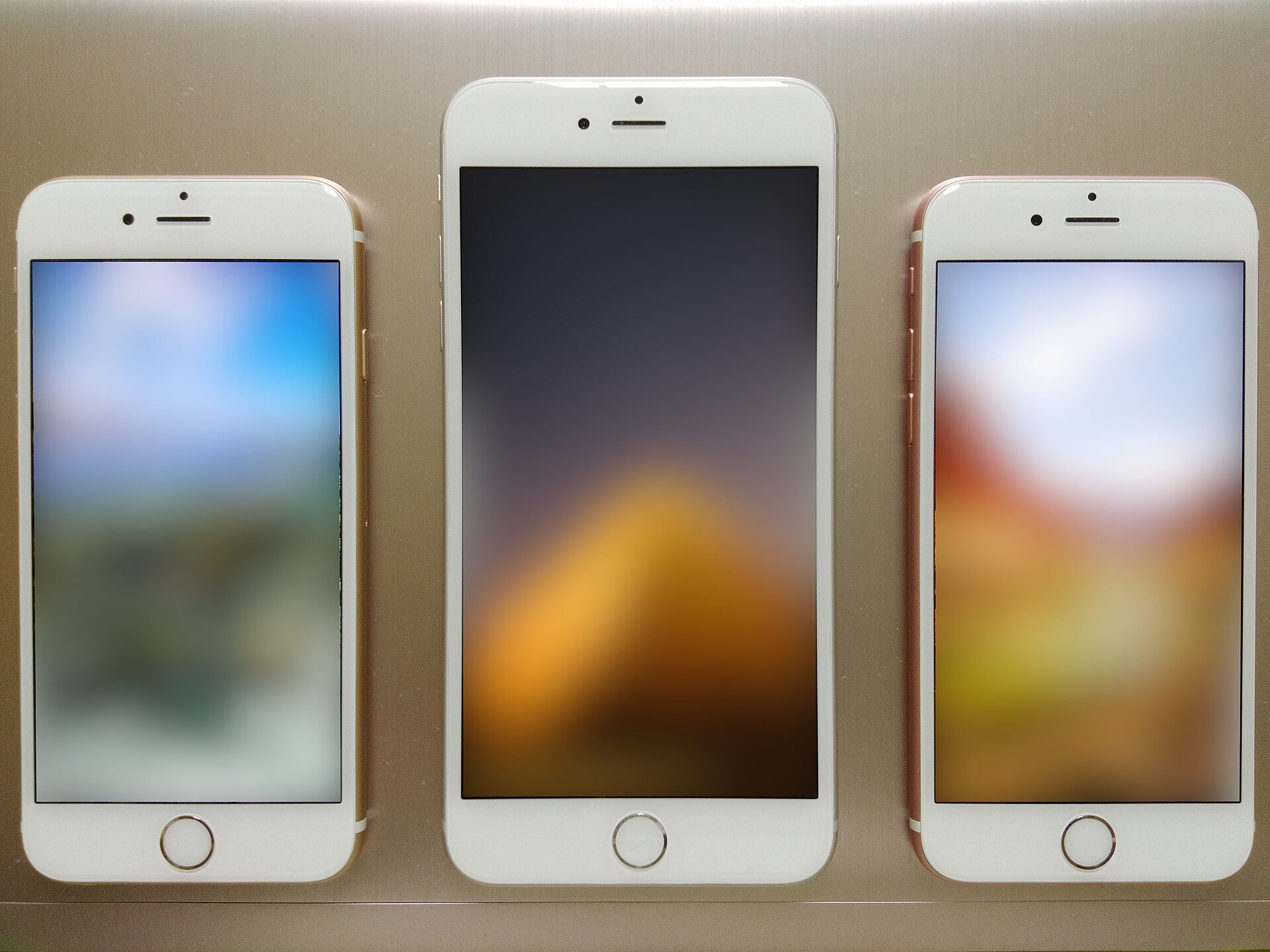
The iPhone 17 is selling faster than the iPhone 16 did, and the numbers are not close. Research firm Counterpoint found that early sales of the iPhone 17 series outpaced last year's iPhone 16 models by 14 percent in their first ten days on sale across the United States and China, Apple's two biggest markets. The base model iPhone 17 has been the main driver, with sales up 33 percent compared with the iPhone 16 in China, while the premium iPhone 17 Pro Max has driven momentum in the United States, helped by carrier subsidies from AT and T, Verizon and T-Mobile. The slimmer iPhone Air has gained modest traction and outsold last year's Plus model, though demand remains centered on the base iPhone 17.
The stock market noticed immediately. Apple shares surged to a record high in late October, closing up 3.9 percent at 262.24 dollars and overtaking Microsoft to become the second-largest American company by market capitalization, behind only Nvidia, with a valuation of about 3.9 trillion dollars. It was Apple's first record close since December, ending months of underperformance driven by tariff concerns and questions over its artificial intelligence strategy. Analysts piled on: Loop Capital upgraded Apple to Buy from Hold and raised its price target to 315 dollars from 226, pointing to stronger-than-expected initial demand, while Evercore ISI added Apple to its Tactical Outperform list with a 290 dollar target. The message from Wall Street was simple. The iPhone cycle was back.
The product lineup explains why. Apple unveiled the iPhone 17 series in September alongside the slimmer iPhone Air, holding prices steady despite tariff concerns, and launched the iPhone 18 Pro and iPhone 18 Pro Max on September 18, powered by the A20 Pro chip built on advanced 2-nanometer technology, with improved AI processing, upgraded cameras and longer battery life. Apple has also expanded into a new category with the foldable iPhone Duo, its first foldable phone, opening a new front in the upgrade cycle. The iPhone generated 54.3 billion dollars in revenue in the June quarter, up 22 percent year over year, and the Services business grew 12 percent to 30.7 billion dollars in the same period. The machine, in other words, was working.
Then Apple reported quarterly results on October 30 — and the shares fell. The quarter itself beat expectations by every headline measure: sales of 114.48 billion dollars, above the 113.39 billion analysts had expected, and profit of 2.10 dollars a share, ahead of the 1.99 dollars expected. iPhone sales came in at 57.58 billion dollars for the quarter. But investors were not buying the quarter that had just ended. They were selling the quarter that is coming. Apple warned that rising memory-chip costs would squeeze the December quarter — the holiday period that is traditionally the company's most important — and guided gross margin to a range of 45 to 46 percent. Memory chips are a core component of the iPhone and Apple's other devices, and price increases in that market flow directly into the company's costs.
The warning landed because it named a real constraint, not a vague risk. Apple has told investors that supply constraints on advanced semiconductor components are limiting availability across iPhone, Mac and iPad, and that rising memory costs are part of the same squeeze. The company still expects iPhone revenue to grow in the mid-teens in the September quarter, below the 22 percent growth recorded in the June quarter. Zoom out and the constraint looks industry-wide: global smartphone sales fell 7 percent year over year in the second quarter of 2026, according to Counterpoint, with Samsung reclaiming the global lead at 23 percent market share and Apple at 21 percent — its highest second-quarter share ever, driven by the iPhone 17. Demand is not the problem. Turning demand into shipped phones, at a margin investors will accept, is.
That is the honest story of the iPhone 17 so far. It is a genuine hit by every measure that counts with customers: early sales up 14 percent, the base model up by a third in China, the Pro Max carrying the premium end in the United States. The stock's fall after earnings does not contradict any of that. It says something narrower and more useful — that in late 2026, the binding constraint on the world's most valuable hardware business is not whether people want the product, but what it costs to build it. The demand is proven. The December quarter will show whether the margins can survive it.