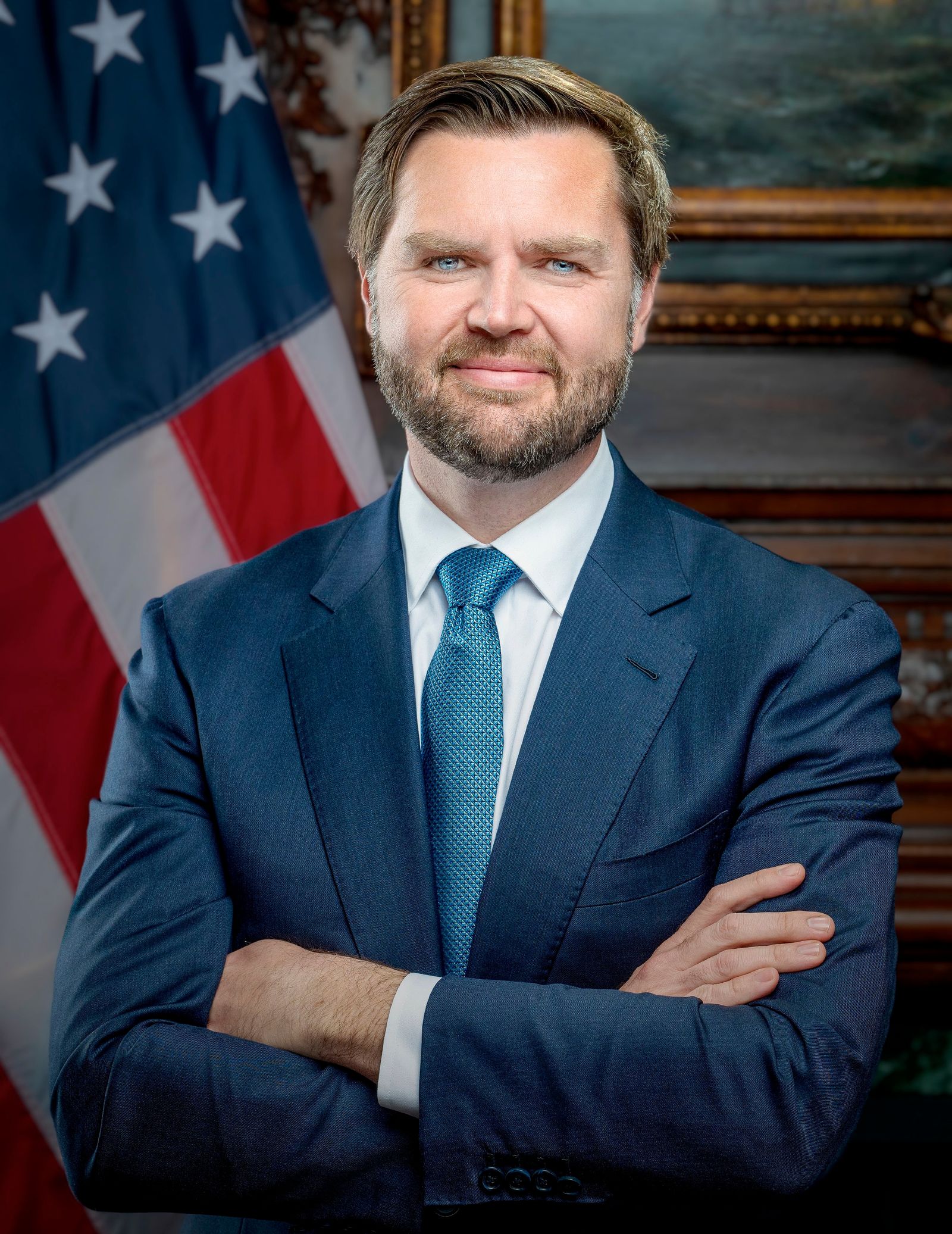
A week before the United States invaded Venezuela in January and captured its authoritarian leader, Vice President JD Vance flew in Air Force Two to Montana's Yellowstone Club, an ultra-exclusive ski and golf resort, where he met an old friend and early financier of his political career, John Addison, a gasoline trader with commodities giant Vitol, according to a person familiar with the matter.
Flight records reviewed by Reuters show Addison's private Embraer jet and Vance's vice-presidential plane together on the tarmac at Bozeman Yellowstone International Airport, about an hour's drive from the resort, on Dec. 27, a week before the invasion. Vance and Addison talked about Venezuela, the person said, and Vance was particularly interested in how quickly Venezuelan crude could be sold if the U.S. hypothetically gained control of the country's oil supplies. Addison assured Vance that Vitol was uniquely placed to do that job.
Both Addison and Vance's office denied having the Dec. 27 meeting in Montana. "And anyone who says so is absolutely making it up because I've never told a single soul that was the case," Addison told Reuters. But Addison confirmed that on Jan. 5 — two days after the operation that unseated Venezuelan President Nicolas Maduro and killed up to 100 people — Energy Secretary Chris Wright called him at his desk in Houston with an offer: the Trump administration was planning to start selling Venezuela's crude to global buyers to finance its political transition, and Wright wanted to know if Vitol wanted the job.
The Department of Energy confirmed Wright called Addison on Jan. 5 to discuss Venezuela. Within days, Vitol and its rival Trafigura landed special licenses to sell Venezuela's oil, and the companies have since earned hundreds of millions of dollars marketing the crude. The details of how Vitol secured one of the administration's most coveted energy licenses have not previously been reported.
Addison, 48, was not the obvious choice to receive the call. He was a senior trader at Vitol, not the firm's regional CEO, and his specialty was buying and selling U.S. gasoline, not Latin American crude. But Vance had told Wright that Addison was trustworthy, paving the way for the call, Addison told Reuters. A U.S. official confirmed on condition of anonymity that Vance had told Wright in a conversation — at least a year before the Jan. 5 call — that Addison was a trustworthy person in the energy industry.
The Department of Energy said in a statement that Vance and Wright never discussed the sales of Venezuelan oil, and that the department picked Vitol because it is the largest energy and commodity trader in the world. The Montana meeting and Addison's unusually prominent role raise fresh questions among Democratic lawmakers about how personal connections may have influenced access to government business after the Venezuela operation. Representative Robert Garcia, the ranking Democrat on the House Oversight Committee and its incoming chair, said Oversight Democrats have for months demanded answers about the deal and whether oil-company insiders received advance warning of military action. "New reporting that JD Vance met with a senior Vitol trader before Maduro's capture raises even more questions about who knew what and when," Garcia said.
Typically, large U.S. government contracts are awarded through competitive bidding. But the Trump administration has defended skipping that process, arguing that moving fast after Maduro was seized was critical to stabilizing Venezuela's struggling economy and ensuring that everyday services and debt restructuring received immediate funding.
Venezuela sits on top of the world's largest crude-oil reserves, but production had dropped below a third of its peaks after years of under-investment, mismanagement and sanctions. Trump said after the January invasion that the U.S. intends to control Venezuela's crude and revenues indefinitely and wants to attract $100 billion in investment from U.S. oil companies. So far the biggest beneficiaries have been Vitol and Trafigura: Trafigura was offered its license days after Vitol, at some point during the second week of January. Energy finance expert Tom Seng of Texas Christian University estimated the traders were making between $3 and $3.50 in profit on every barrel sold — roughly a 3.5% to 4% margin — which would translate to hundreds of millions of dollars, given that the country has exported over 200 million barrels of crude so far this year, according to U.S. government data.
Addison had been an early backer of Vance, contributing $300,000 in 2022 to the Protect Ohio Values Political Action Committee to help Vance's successful bid for a U.S. Senate seat, according to Federal Election Commission records. Later, Addison and his wife, Shannon, contributed $7 million in 2024 to political action committees, including $5 million to Make America Great Again, to help secure Trump's second term. In 2024, Vitol and SK Energy settled a gasoline price manipulation case with the state of California for $50 million following a decade-long legal battle; Addison had been named as the most senior Vitol executive in the alleged scheme. Neither Vitol nor Addison admitted any wrongdoing.
Landing the Venezuela contract was also his swan song: Addison announced his retirement from Vitol at the end of March to focus on politics and energy, and has since been named chairman of Wright's energy policy advisory board, which held its inaugural meeting in July. "I do feel very prideful and very patriotic that I was called by the government, by Chris Wright, in order to help them transact this deal," Addison told Reuters.