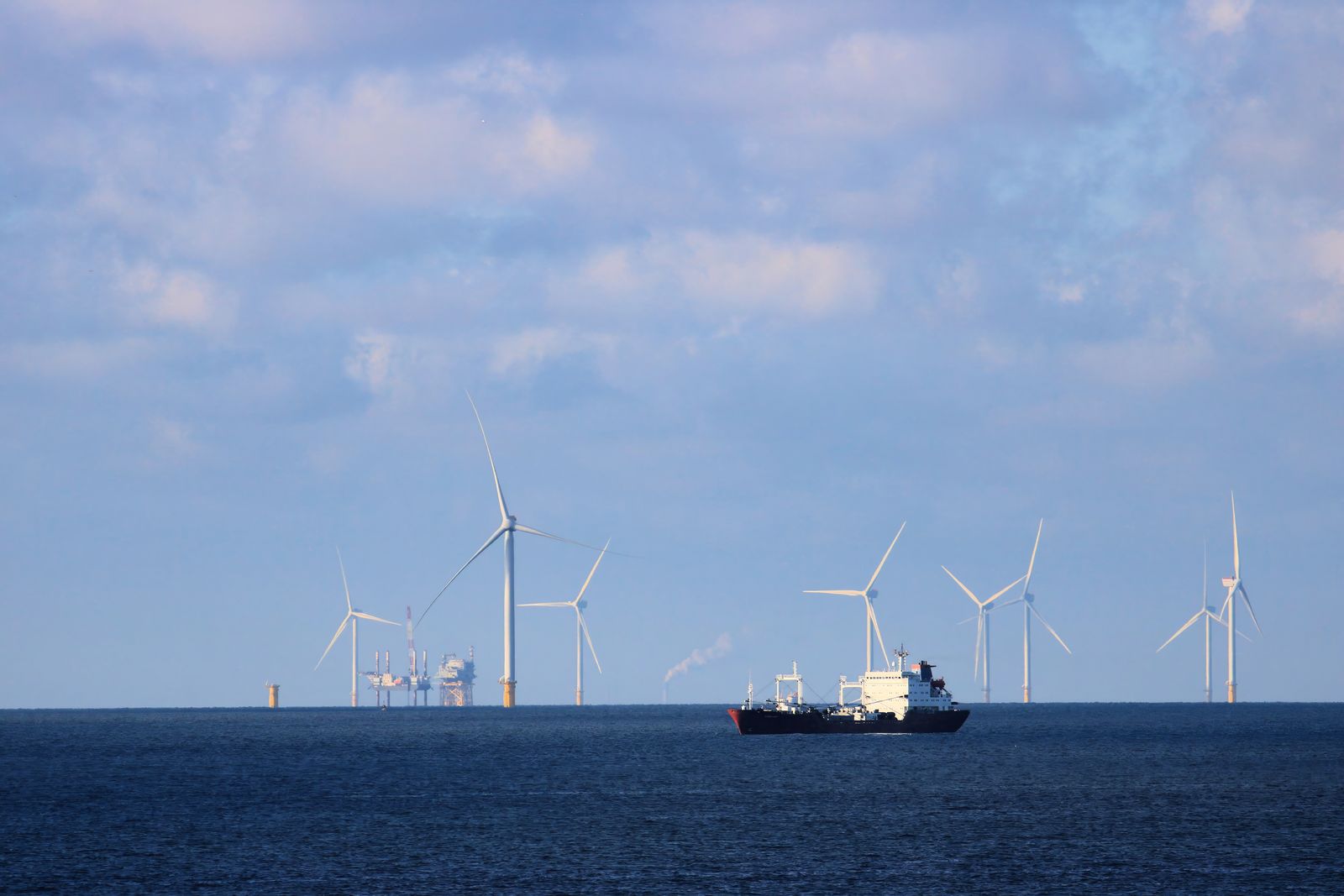
A tanker carrying the first cargo of Russian diesel for the United States has come to a halt off the U.S. East Coast, shipping data showed on Tuesday, with its operator saying a destination has still not been decided.
The Malta-flagged Agioi Fanendes was loaded with 40,000 metric tons of ultra-low sulphur diesel at Russia's Baltic port of Primorsk on October 22, LSEG shipping data showed, with an expected delivery date of November 7. A week later, its Greece-based manager Eastmed said the vessel was proceeding awaiting orders and that no port of discharge had been nominated or finalised.
"Nothing has changed regarding the vessel's destination, she is still awaiting orders," Eastmed told Reuters on Tuesday.
President Donald Trump last month announced a surprise deal with Moscow to import diesel from Russia to help lower prices at the pumps ahead of this month's U.S. midterm elections. In approving the deal, Trump waived parts of a new U.S. sanctions law on Moscow and said Russia would immediately export 300,000 tons, or 2.25 million barrels, to the U.S. and global markets, followed by 500,000 tons in November and 1 million tons "immediately thereafter."
Other tankers carrying Russian diesel that had signalled the U.S. Atlantic Coast as their destination later altered course, shipping data showed. Vessels may change their declared destination or revert to "for orders" status more than once during a voyage when a prospective deal falls through, plans change or the operator does not wish to declare its intended destination.
Former President Joe Biden had imposed a ban on U.S. imports of Russian oil and petroleum products in 2022 after Russia's invasion of Ukraine.
New Jersey's Democratic Governor Mikie Sherrill this month warned local port officials and terminal operators against accepting Russian diesel, saying those shipments would break federal law and could expose businesses and individuals using New Jersey ports to "harsh" civil and criminal penalties. With the first cargo now sitting idle off the coast and no discharge port named, the practical test of the administration's diesel deal — whether the fuel actually reaches American pumps — remains unresolved.