The U.S. Commerce Department issued a rule on Monday closing the so-called "cloud loophole" that let Chinese companies rent America's most advanced artificial intelligence chips from data centres abroad instead of buying them.
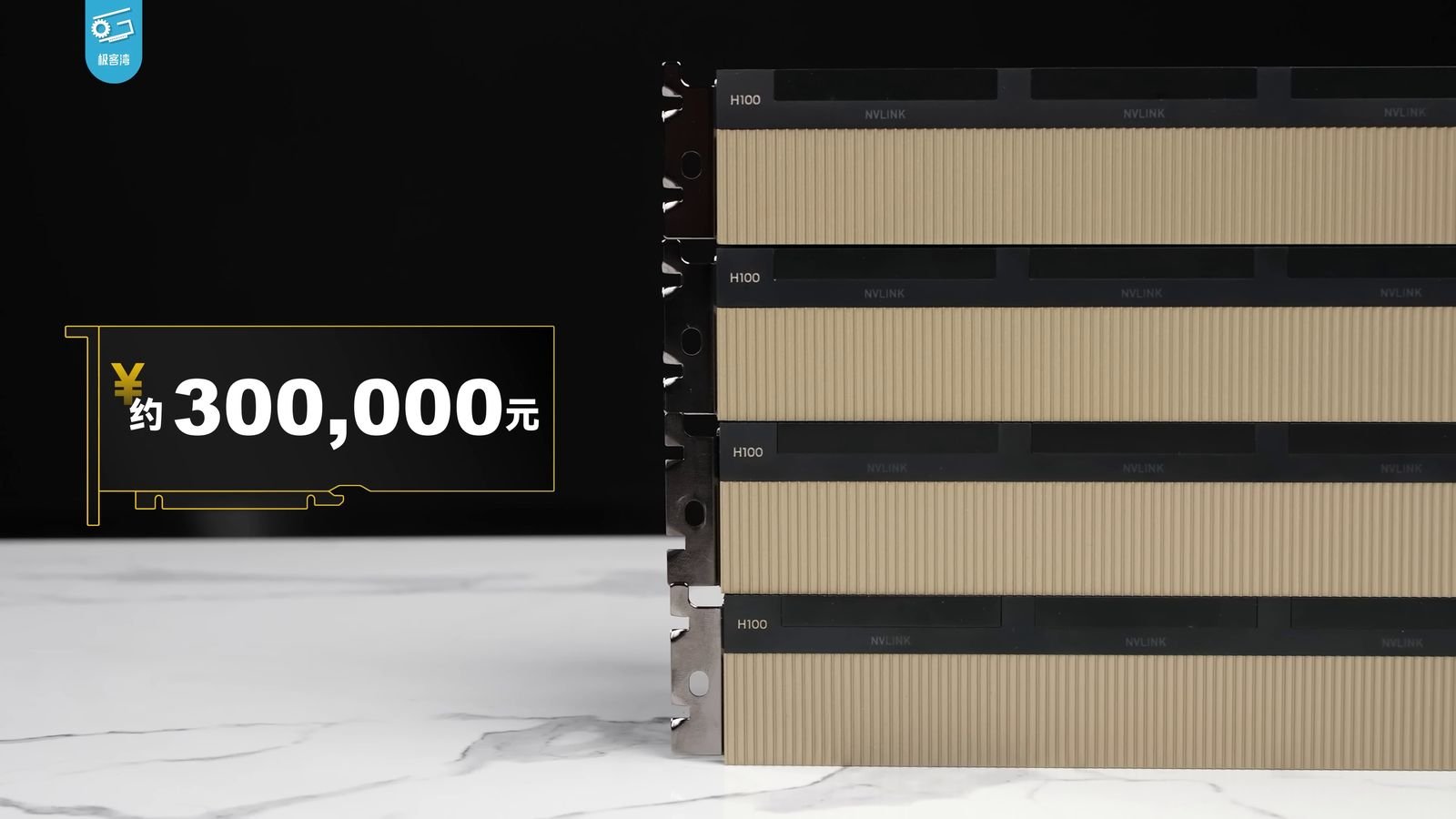
The interim final rule from the department's Bureau of Industry and Security (BIS) requires a licence to export, re-export or transfer advanced AI chips and servers to any data centre, anywhere in the world, that provides more than 12 million "aggregate TPP" — total processing performance — of computing power to companies headquartered in China, Macau or other Country Group D:5 countries, or whose ultimate parent is headquartered there. The group includes China, Russia, Iran and North Korea. The threshold is roughly the output of about 750 Nvidia H100 chips or around 330 Blackwell B200 chips.
"The rule is designed to ensure that existing restrictions on access to sensitive American technology cannot be circumvented through remote computing arrangements involving data centers in third countries," the department said in a statement. BIS said the rule was written at the direction of the Treasury Department and the National Security Council.
The rule also imposes a new licence requirement on exports of advanced AI chips to five countries the department identified as presenting a higher-than-normal risk of diversion: Indonesia, Malaysia, Singapore, Thailand and Brazil. Customers headquartered in the United States are exempt as long as exporters meet new reporting requirements. The rule formally rescinds the Biden administration's January 2025 AI Diffusion Rule, which set tiered global limits on advanced chips but was never enforced.
The measure lands as President Donald Trump departs for an Asia trip that includes a meeting with Chinese President Xi Jinping, and four days after Jensen Huang resigned as chief executive of Nvidia amid an alleged espionage scandal. Treasury Secretary Scott Bessent said on Sunday that Nvidia needed a "dramatic shake-up" and wanted answers within 10 days on whether its chips reached China. Senator Maria Cantwell, the top Democrat on the Senate Commerce Committee, accused the department in a letter on Saturday of failing to stem the flow of advanced chips to China.
The rule takes effect when it is published in the Federal Register, and comments are due 60 days after that publication. Data centres already supplying covered customers have 90 days from the effective date to obtain a licence. Technology stocks slid on Monday after the announcement, with Benzinga reporting that the 19 largest U.S.-listed technology stocks had lost about $960 billion in combined market value by mid-afternoon.