The Supreme Court on Monday declined to decide whether California can require doctors to be educated about implicit biases that can affect health care delivery, leaving in place a lower-court ruling that the training counts as government speech and is not subject to First Amendment scrutiny. The court rejected a challenge to the state's rule that continuing education programs for physicians address unconscious prejudices doctors may have about Black people, women and others.
The challenge was brought by Dr. Azadeh Khatibi, a California physician who teaches continuing medical education courses, and the nonprofit Do No Harm. California requires licensed physicians to complete 50 hours of state-approved continuing education every two years, including instruction on implicit bias. When it adopted the requirement in 2019, the state legislature said unconscious prejudices often contribute to unequal health care based on a patient's race, gender, age, disability or other characteristic — for example, that African Americans are often prescribed less pain medication than white patients with similar problems, and that women are less likely to survive a heart attack when treated by a male doctor.
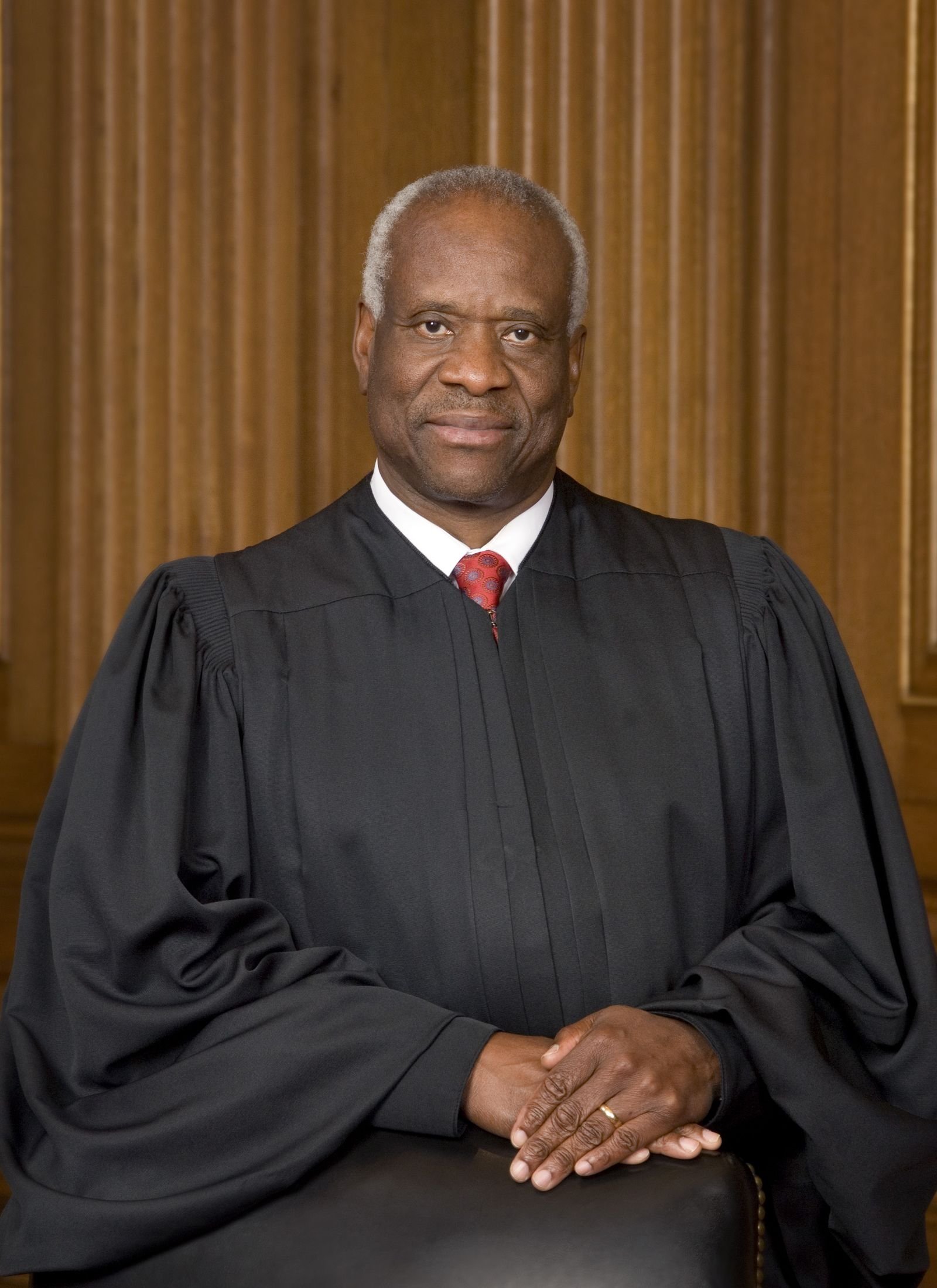
The California-based 9th U.S. Circuit Court of Appeals ruled that the continuing education classes are a form of government speech, because of the state's extensive regulation of medical licensing and training. While the First Amendment prevents the government from regulating private speech, it does not regulate government speech, the court said. Justice Clarence Thomas, joined by Justice Samuel Alito, dissented from the court's decision not to hear the case, and Justice Neil Gorsuch said he would have granted the petition. It takes four justices to agree to hear an appeal. The case is Khatibi v. Yip, No. 25-1240.
Thomas wrote that the training requirement "is not speech by any government actor; it is a requirement that private speakers communicate certain messages." "When, as here, the government does not issue its own messages but instead requires private speakers to communicate the government's viewpoint, the First Amendment applies," he wrote. "A State cannot regulate its way out of First Amendment scrutiny. We should not permit the government-speech doctrine to be wielded as 'a cover for censorship' or a cloak for compelled speech." Thomas disputed California's account of the requirement, writing that instructors had no choice but to discuss implicit bias in a way that affirmed the state's view that it causes disparities in health outcomes, and he warned that the lower court's reasoning could extend beyond medicine to other licensed professions, including legal education.
A lawyer for Khatibi said the training sends a damaging message. "It tells doctors that their colleagues harbor hidden racial prejudices that no amount of training can fully cure, and it tells minority patients that a white physician is likely to damage their health," Caleb Trotter, a senior attorney at Pacific Legal Foundation, said. "That's not medicine. It's compelled speech." In a second case on Monday's order list, a challenge to Maryland's restrictions on where licensed gun owners may carry firearms, Thomas filed a statement agreeing with the court's decision not to hear the case. The case is Novotny v. Moore, No. 25-1324.