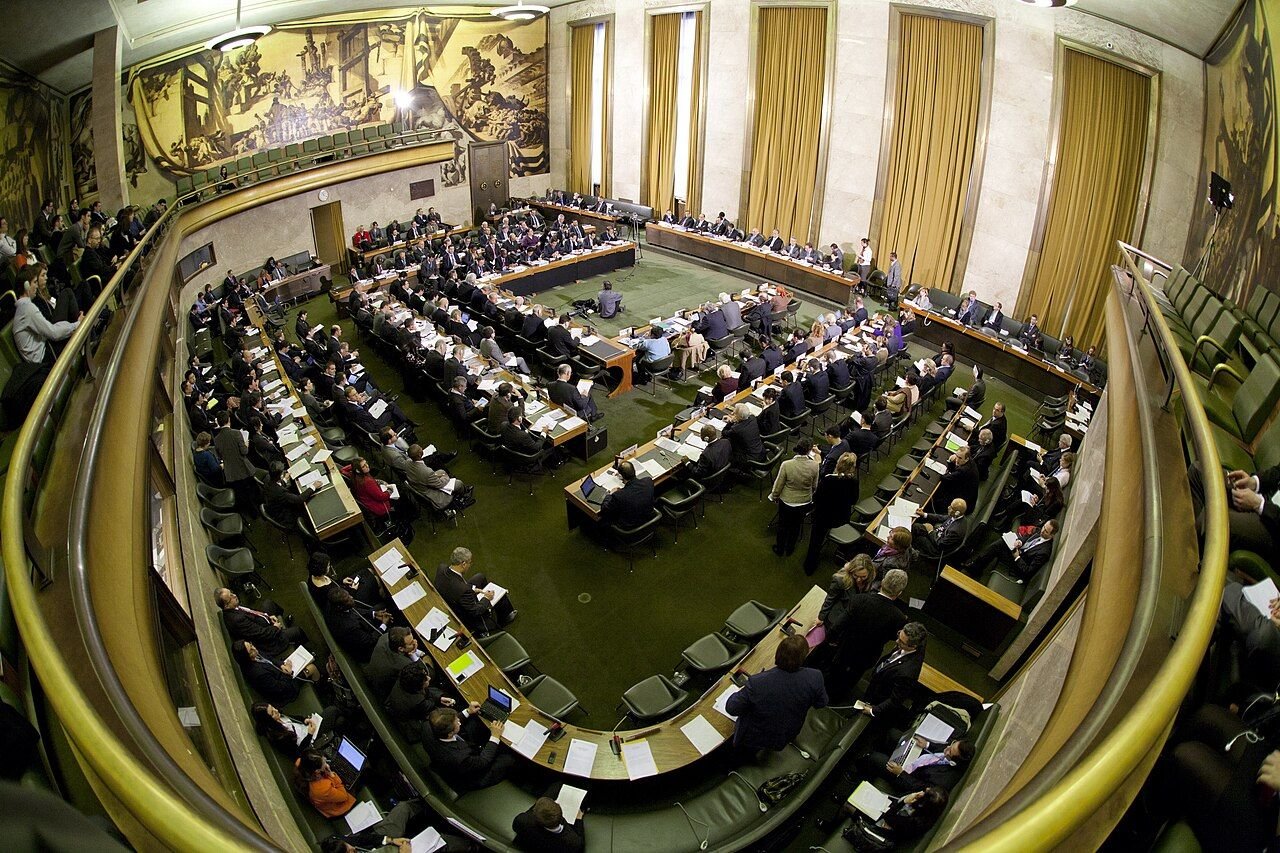
Efforts to set firm rules on AI-powered killer robots and drones ran aground on Saturday as U.N.-backed talks in Geneva produced only a softened agreement to extend discussions for two more years.
Scores of countries ended the week-long U.N. conference on weapons by agreeing to "elaborate" a possible accord on lethal autonomous weapons systems by 2028. But they did not commit to the binding rules sought by U.N. Secretary-General António Guterres, many countries and activists.
Proponents had called for legally binding rules within a short timeframe to regulate weapons systems that can identify and engage targets with varying degrees of autonomy, sometimes called "killer robots." Around 100 countries backed that position, but big arms-producing nations including the United States, Russia and Israel opposed it, resulting in a watered-down agreement that left open whether future measures would be legally binding.
The talks centred on the Convention on Certain Conventional Weapons, ratified by 128 countries, where decisions are made by consensus. Member states had been meeting in Geneva since Monday as alarm grows over the use of lethal autonomous weapons systems in conflicts including Ukraine, Sudan and the Middle East.
The U.N. secretary-general, the pope and the Red Cross have all called for strong and legally binding rules. Guterres, who leaves office at the end of the year, had set a 2026 deadline for launching negotiations toward an agreement on autonomous weapons systems.
The meeting's Swiss chair, Julien Thoeni, hailed the deal as a significant achievement for humanitarian disarmament after more than 10 years of talks. "It shows that even in today's deeply divided world, multilateral diplomacy can still deliver concrete results," he told reporters as talks concluded after 4 a.m. local time. A diplomat from a country supporting new laws called the outcome "disappointing but could have been much worse."
Negotiators spent hours wrangling over a handful of words overnight after Russian objections to rules of procedure forced the cancellation of some formal meetings, diplomats said.
Many rights groups criticised the outcome, saying it means technology now has a chance to overtake diplomacy. "Delaying the creation of a legally binding instrument puts civilians and humanity at risk," said Nicole van Rooijen, executive director at Stop Killer Robots, on the sidelines of the talks.
Some observers and former military officials say states should be prepared to consider a new process outside the current U.N. framework, which requires all 128 state parties to agree by consensus.