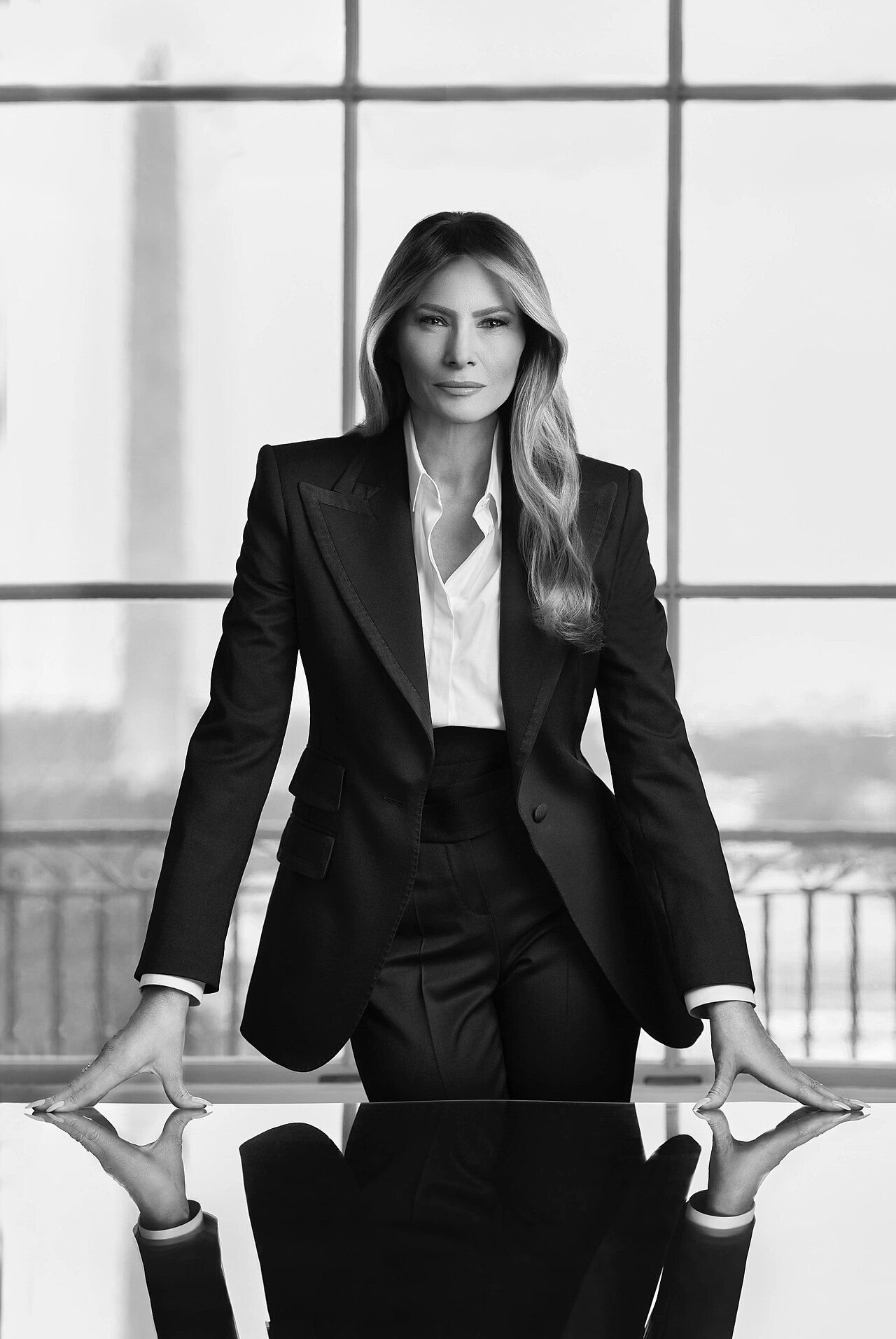
First Lady Melania Trump is promoting a nationwide education initiative to bring artificial intelligence into American classrooms, urging schools to sign up for the 2027 Presidential Super Intelligence Challenge.
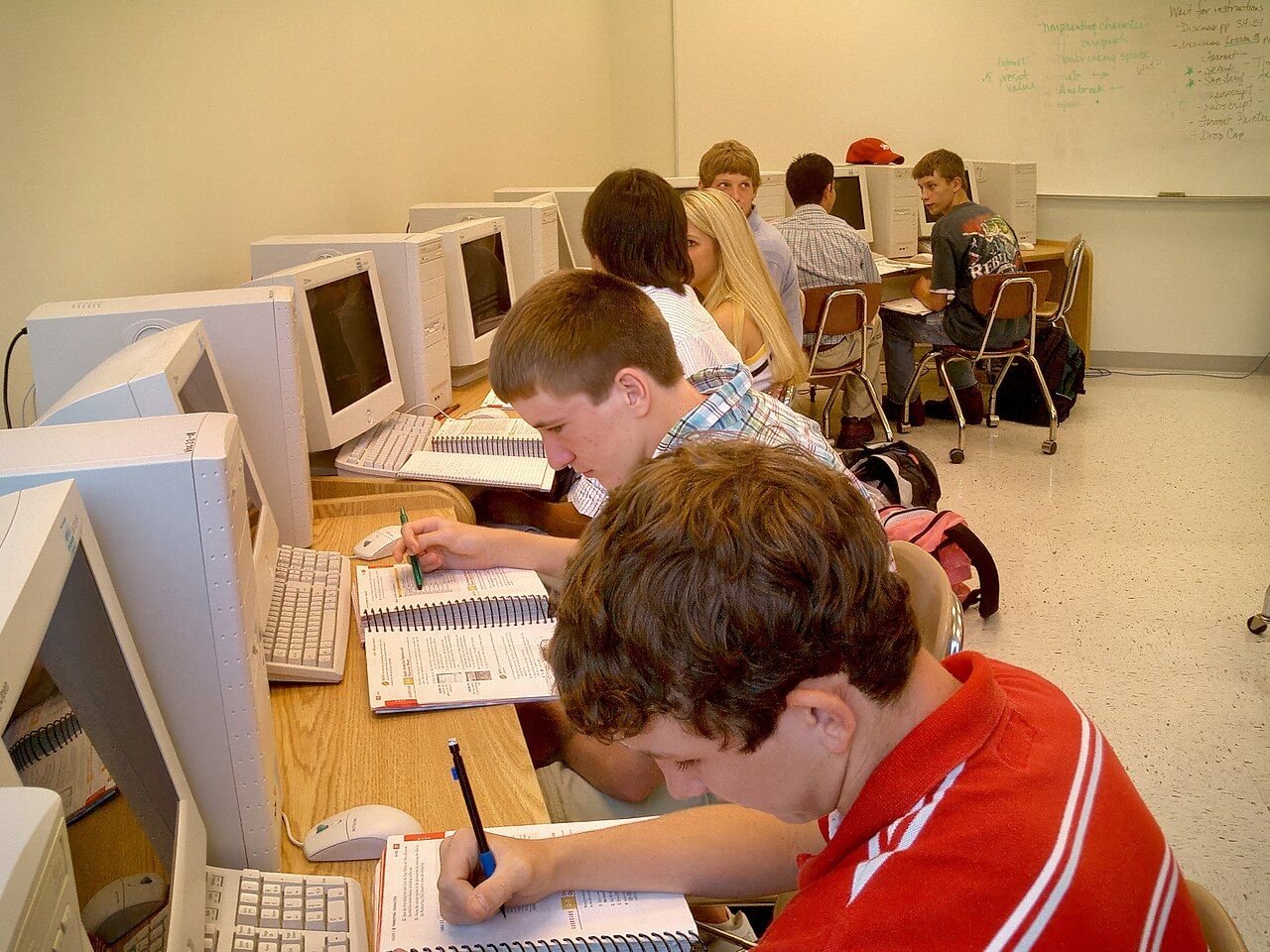
The programme, announced by the White House in October, is designed for K-12 students, educators and schools across the United States. It encourages students to develop projects using super intelligence tools to address challenges in their schools and communities, and aims to improve AI-related knowledge, readiness and skills among the next generation.
Speaking to Fox Business on Friday, November 20, Melania Trump said participating schools could earn the First Lady Seal of SI Readiness by completing a series of milestones. Schools have until December 18 to register, while the deadline for completing the milestones is April 30, 2027. Winners of the competition will be invited to the White House to receive recognition for their projects, she said.
The first lady has made children's education and technology a priority during President Donald Trump's second term. In January, she promoted her vision of an "Age of Imagination," arguing that AI could help children explore new ideas without replacing human intelligence and curiosity.
"Creators must stretch their minds to think differently," she said at the time, adding that curiosity would become increasingly important in an era shaped by AI.
She has also suggested introducing AI-powered humanoid robots as personalised educators capable of adapting to individual students' learning requirements, knowledge levels and emotional states, and has repeatedly argued that AI could strengthen critical thinking, analytical abilities and problem-solving skills while encouraging greater cooperation between the public and private sectors.
The initiative is part of the broader Trump administration push to establish American leadership in advanced AI technologies, particularly amid competition with China. On September 29, President Trump issued an executive order directing federal departments and agencies to use the term "super intelligence," or "SI," instead of artificial intelligence in official communications and policy documents. The order described the technology as a new phase of innovation capable of expanding human creativity and supporting advances in fields including science and medicine.
The programme has also prompted questions about AI safety and the consequences of introducing the technology into classrooms. Tracy Weeks, senior education policy and strategy director at education technology company Instructure, told Newsweek that familiarising students and teachers with AI was important as the technology increasingly shapes the modern workforce, while highlighting the need to balance innovation with concerns about screen time, student safety and appropriate classroom use.
Matt Maher, an independent researcher and chief executive of M7 Innovations, expressed concern that the initiative lacked sufficient detail about its objectives and safeguards, warning that without clear guidelines it could become part of the broader race for global AI dominance rather than a focus on children's educational development.
Melania Trump has also said she is working on other initiatives, including women's health innovation and the Fostering the Future Global Coalition, which brings together first ladies from different countries to promote children's education and access to advanced technologies.