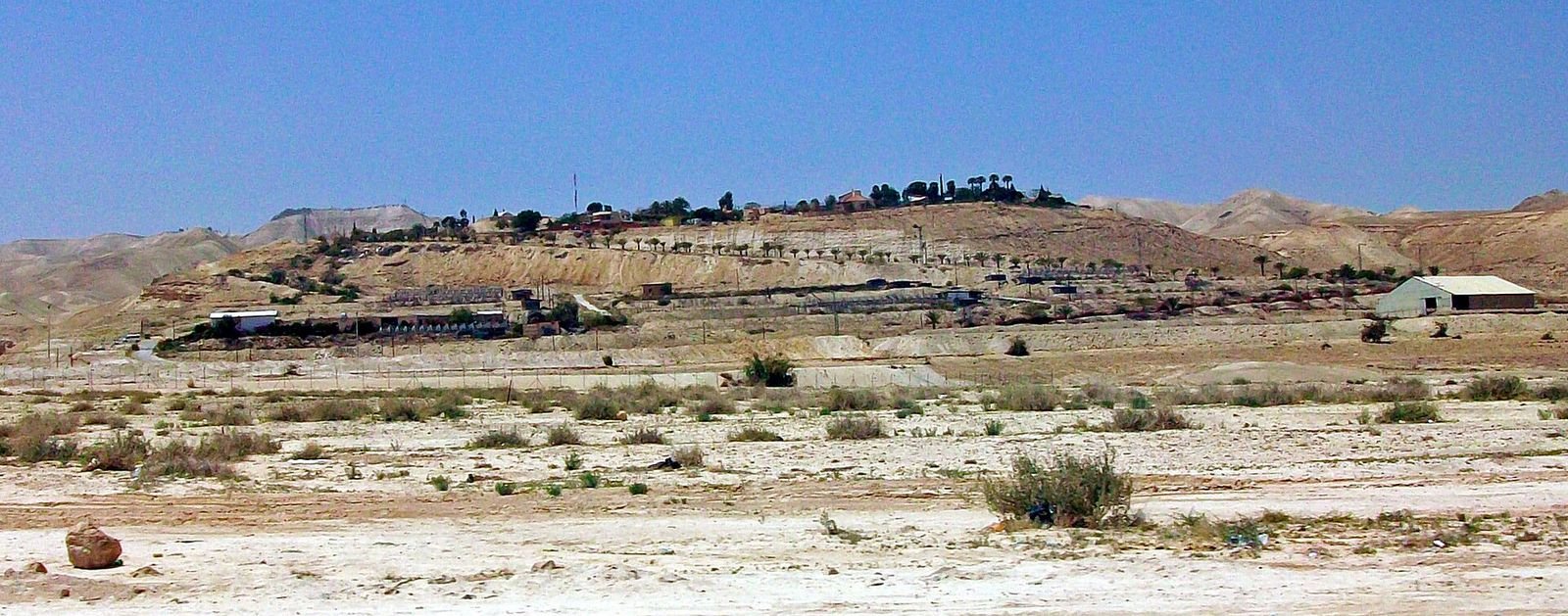
Britain announced on Tuesday it would impose sanctions on eight Israeli construction companies involved in building settlements in the occupied West Bank, as part of its effort to protect the idea of a two-state solution.
The firms face asset freezes and director disqualifications. They include Har Hevron Development Company Ltd, Hemdat Shomron Ltd and S.A.G. (Velvel) Construction and Development Ltd, which build and develop homes in the West Bank, along with Lev HaHar Yazamut Ltd, Harey Zahav, Ariel Residential Judea & Samaria Ltd, Ami Gvirtzman Architects 2021 Ltd and Z.F. Building Company Ltd.
The government also imposed sanctions on Tzav 9, an Israeli activist group that it said had regularly blocked humanitarian aid trucks delivering food, water and fuel to the Gaza Strip, organising blockades as recently as October.
The government announced the sanctions package shortly before the final deadlines for the E1 tender, a settlement project that would bisect the Israeli-occupied West Bank and cut it off from East Jerusalem, fragmenting the land Palestinians hope will form the heart of a state.
British Foreign Secretary Ed Miliband said protecting the two-state solution was "the North Star of this Government's approach." The Foreign Office said the measures would disrupt the companies' flows of finance and their ability to support further construction in the West Bank.
The sanctions deliver on Miliband's pledge in September to respond to the accelerating rate of settlement expansion. They were made under Britain's expanded Global Human Rights sanctions regime, whose scope was widened on October 13 to cover companies and individuals involved in serious violations of international humanitarian law.
It is the first time Britain has imposed sanctions on Israeli entities since the Knesset election last month, which produced an inconclusive result and ongoing attempts to build a governing coalition. Britain considers the settlements illegal under international law, and its relationship with Israel has deteriorated significantly over the past three years because of disagreements over the war in Gaza and the government's plans to expand settlements in the occupied West Bank.