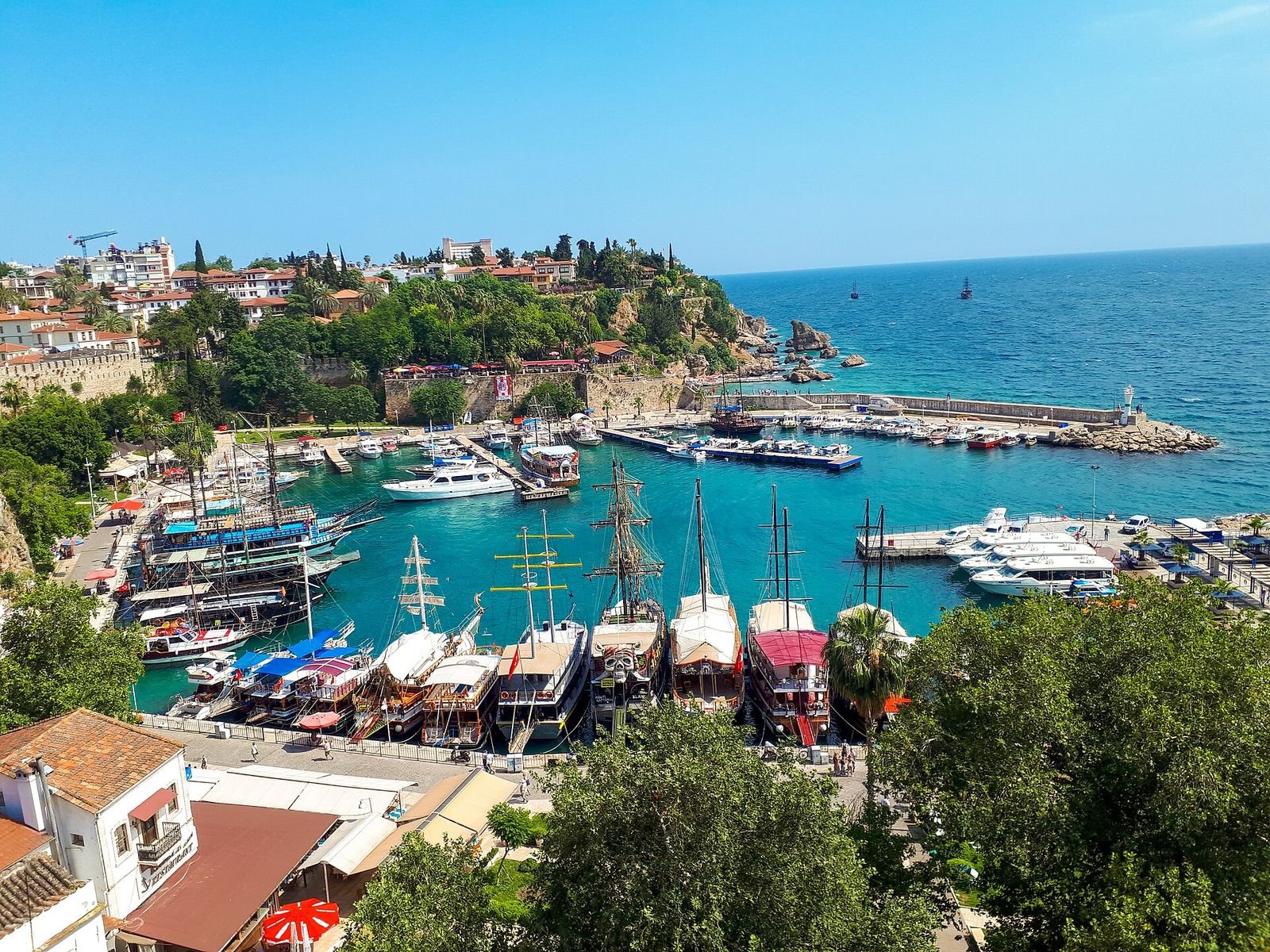
COP31 climate talks must send the "strongest possible signal" on the need to shift to clean energy, the European Union's climate chief said on Tuesday, as delegates in Antalya remained divided over whether the world needs to keep burning fossil fuels.
A draft deal issued by the presidency of the talks on Monday reflected the extent of disagreements between the nearly 200 countries represented at the talks and highlighted the challenge of agreeing a meaningful deal by the conference's official close on Friday.
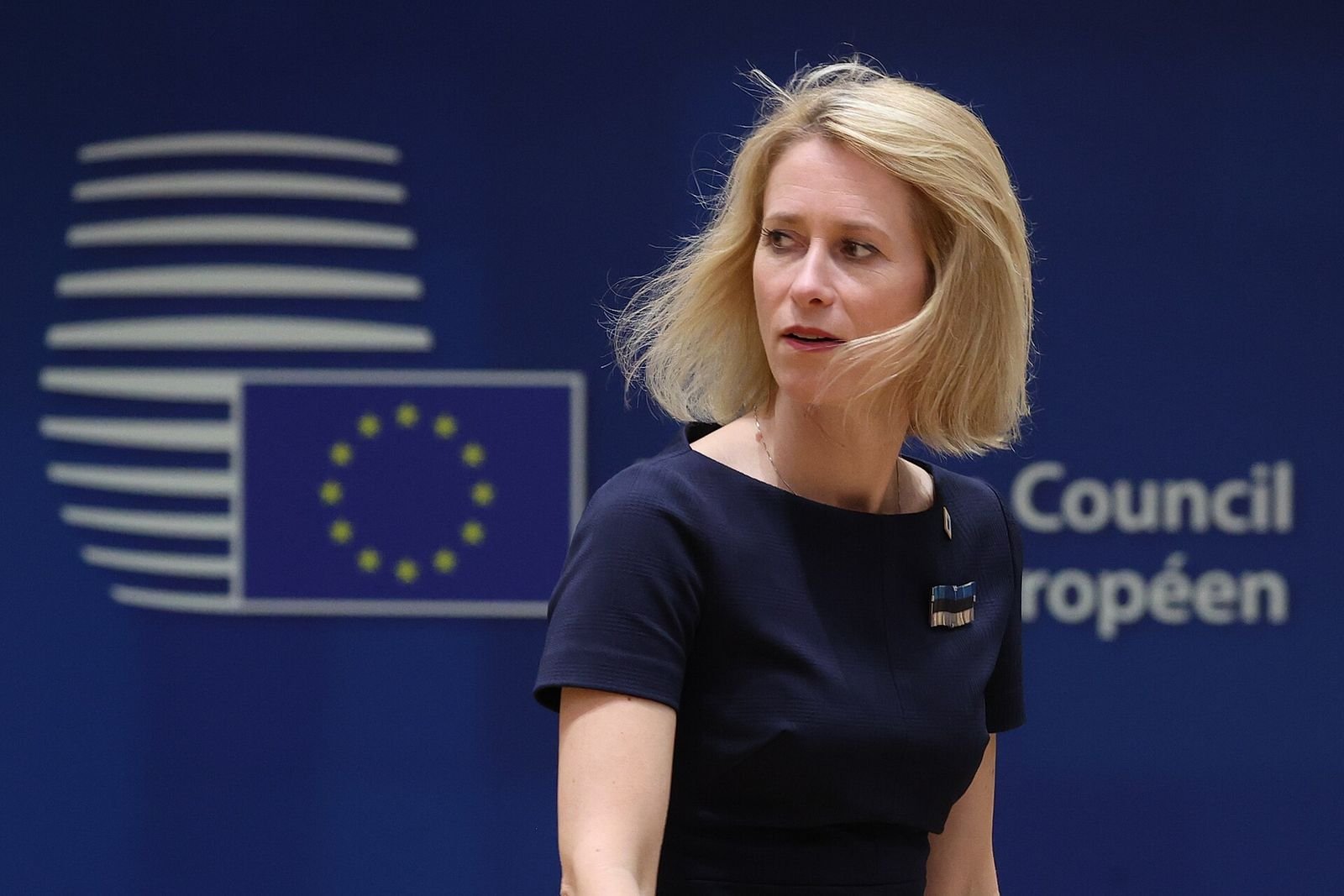
EU climate commissioner Wopke Hoekstra said the draft text distracted from the need for sustained reductions in greenhouse gas emissions, which are primarily caused by burning oil, gas and coal. "It is hugely important that here at this COP, that is about implementation, we do not get distracted by other things. And to be frank, that is unfortunately what the draft cover decision is doing," Hoekstra said.
"It is absolutely critical that COP31 sends the strongest possible signal on the clean energy transition, and more generally for immediate, deep, and sustained GHG emission reductions," he said.
The draft contained two sets of phrasing around fossil fuels. One reiterated wording agreed in 2023 around "transitioning away" from their use, and another more ambitious clause talked about their "phase out". Both could be omitted from a final deal.
The draft also flagged divergent opinions on a target put forward by Turkey to increase electricity's share of global energy consumption to 35% by 2035, versus around 20% now, and how much wealthy nations should provide to help poorer ones adapt to climate change.
A UN report last month said the world is already on course to exceed the 1.5 degrees Celsius warming threshold set by COP talks in Paris in 2015. Breaching that level increases the risk of the kind of heatwaves, floods and droughts that have marked this year, scientists say.
The Vatican's top diplomat, Cardinal Pietro Parolin, delivered a message on behalf of Pope Leo that also sought to shift the focus to the long-term consequences of short-term inaction. "It is also concerning that the climate crisis is being overshadowed by geopolitical tensions, driven by narrow self-interest and short sightedness, which foster conflict and fragmentation," he said.
Australia's Chris Bowen, who is leading negotiations in the Mediterranean city of Antalya under a split presidency arrangement with host Turkey, said Monday's 18-page draft was crucial to the debating process and sought to reflect the range of views. Australia's negotiators will spend the day listening to delegations' responses to the draft and pursuing compromises with a view to publishing a revised draft later this week. It is unclear whether an agreement can be reached by Friday, and previous COP talks have run into overtime, sometimes lasting days.