European Union foreign ministers on Monday rejected Russia's demand for a new European security architecture, saying a ceasefire in Ukraine must come first and accusing Moscow of using the proposal to stall peace talks while it bombs the country's power grid as winter approaches.
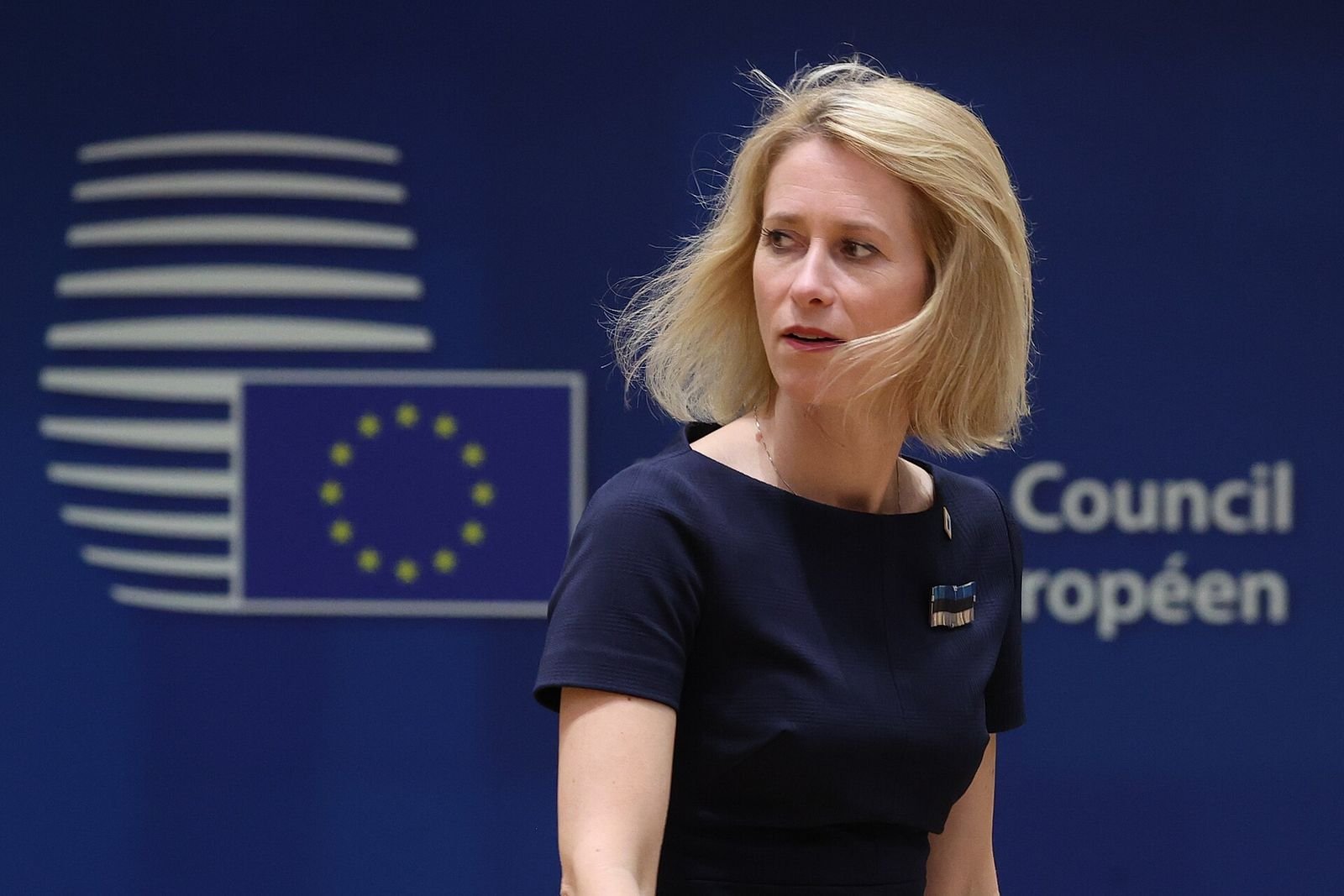
"We do not need a new security architecture. We need to restore the one we have. Russia has broken all the treaties that underpin it," EU foreign policy chief Kaja Kallas told reporters after chairing the Foreign Affairs Council meeting in Brussels. "In 2021, Russia's demands were a pretext for war. In 2026, they are a pretext for keeping the war going."
The security framework emerged as a new sticking point in U.S.-brokered efforts to end the war after talks in Abu Dhabi last week, when the United States encouraged Ukraine and its European backers to consider the Russian demand, suggesting it might help bring peace. Russia has sought a redrawn security order that would push NATO forces back and give Moscow a veto over European security decisions — demands Europe calls maximalist and non-negotiable.
German Foreign Minister Johann Wadephul said Europe already has a security architecture and needs only respect for it, while Lithuanian Foreign Minister Kestutis Budrys said Russia cannot be trusted and has already broken past agreements. Ministers were clear that the priority is an immediate ceasefire, followed by a substantive peace agreement — not a debate over a new security order.
Kallas set out Europe's conditions for any settlement: Russia must respect Ukraine's sovereignty and territorial integrity, be held accountable for war crimes, pay compensation for the destruction it has caused, and return deported Ukrainian children, with no legal recognition of occupied territory. "We actually don't have a ceasefire and they continue to weaken Ukraine and kill people every single day," she said.
The rejection came as Ukraine held its first full negotiating session with the United States and Europe together on Monday, with U.S. envoys Steve Witkoff and Jared Kushner joining European representatives from France, Germany, Britain, Italy and Poland, the EU and NATO by video. President Volodymyr Zelenskyy said the participants agreed to meet in Berlin with the "Coalition of the Willing," though Kremlin aide Yuri Ushakov said Russia has not agreed to European participation in the next round of talks.
Ministers also backed further pressure on Moscow, with a 22nd sanctions package expected in the coming days and EU leaders due to discuss Ukraine's financing needs for 2027 at their meeting on November 26-27. Irish Foreign Minister Helen McEntee said 113 new sanctions were intended to maintain pressure on Moscow as it intensified attacks on civilians and critical infrastructure during the winter.