Business chiefs have called on the UK government and the European Commission to urgently ease Brexit restrictions on business travel for cross-Channel work trips, warning that the rules are deterring cross-border investors and hampering trade.
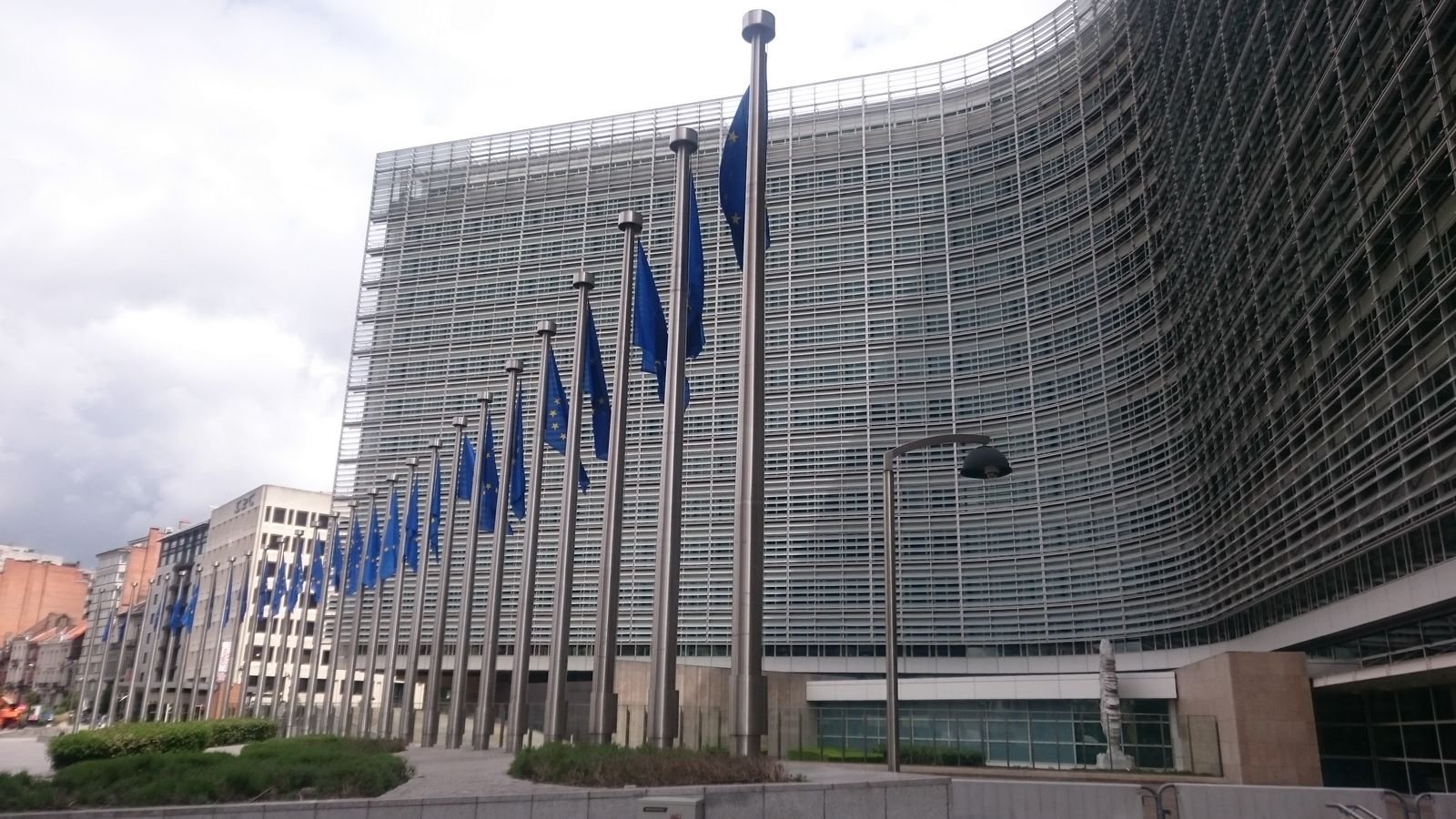
A group representing industry bosses said it wants commitments from Prime Minister Andy Burnham and European political leaders that the restrictions will be one of the priorities in 2027 for furthering ties between the two sides, after a summit in Brussels this week.
The Confederation of British Industry (CBI), which represents some of Britain's largest companies, welcomed the prime minister's recent calls for a reset with Europe, designed to reverse some of the damage to Britain's economy caused by Brexit. But it said Brexit restrictions, which include making employees obtain work permits for travel, are deterring cross-border investors and hampering trade at the very time both sides are trying to build resilience against China.
Sean McGuire, the CBI's director of Europe and international, said business mobility should have been a priority in the talks this week, after a UK-EU summit in 2025 held by Keir Starmer also referenced improving business mobility.
"Very little has been achieved. In fact, practically nothing has been achieved. The emphasis was put on youth mobility," said McGuire.
British citizens travelling to the EU post-Brexit are restricted to 90 days at a time out of a maximum of 180 days a year, limiting companies' ability to promote employees and travel. "If you are a CEO of a multinational you can very quickly clock up 90 days," McGuire said. Separately, work permits have to be obtained for each country that a worker travels to, which can affect the servicing of equipment, particularly in engineering, where products that cost millions such as lifts, escalators and factory machines come with service and maintenance contracts.
McGuire said that energy, defence and car industry bosses say they are being hampered by the inability to travel freely in Europe to service or run multinational operations. "There is a big difference between irregular migration, which needs to be tackled, and business mobility, which is bringing investment into the UK and vice versa," he said.
But McGuire said there is a quick fix for business mobility, involving changes to the annex of the EU-UK trade and cooperation agreement, which allows the two sides to expand visa-free business travel across more industries without reworking the main treaty. "Now that we've got youth mobility potentially in the Friday deal, we should move seriously to address the kind of business mobility, which would apply to both the goods sector and the services sector," he said.
The CBI said it is also "disappointed" that no progress has been made on mutual recognition of qualifications allowing British or EU professionals to practise in each other's territories as they did before Brexit. Sources said there was a view in Brussels that mutual recognition of qualifications was more beneficial to the UK than to the EU, causing energy around the talks to drain away. EU diplomats have said in the past that the UK pushed hard for improving business mobility but was met with resistance from the bloc, where member states see British services - a big export particularly in the financial sector - as a threat.
The call comes ahead of Friday's UK-EU summit, where Britain has set out a package including a youth experience programme, a food trade deal and closer cooperation on carbon emissions. The government says a proposed food and drink agreement could add up to 5.1 billion pounds a year to the economy, while linking emissions trading systems could be worth up to 3.8 billion pounds annually.