Britain's annual inflation rate rose to 3.6 percent in October, its highest level in a year, as record diesel prices and the most expensive petrol in four years pushed up the cost of living for households heading into winter, official figures showed on Wednesday. The Office for National Statistics (ONS) said consumer prices rose 3.6 percent in the year to October, up from 3.5 percent in September and matching the expectations of economists.
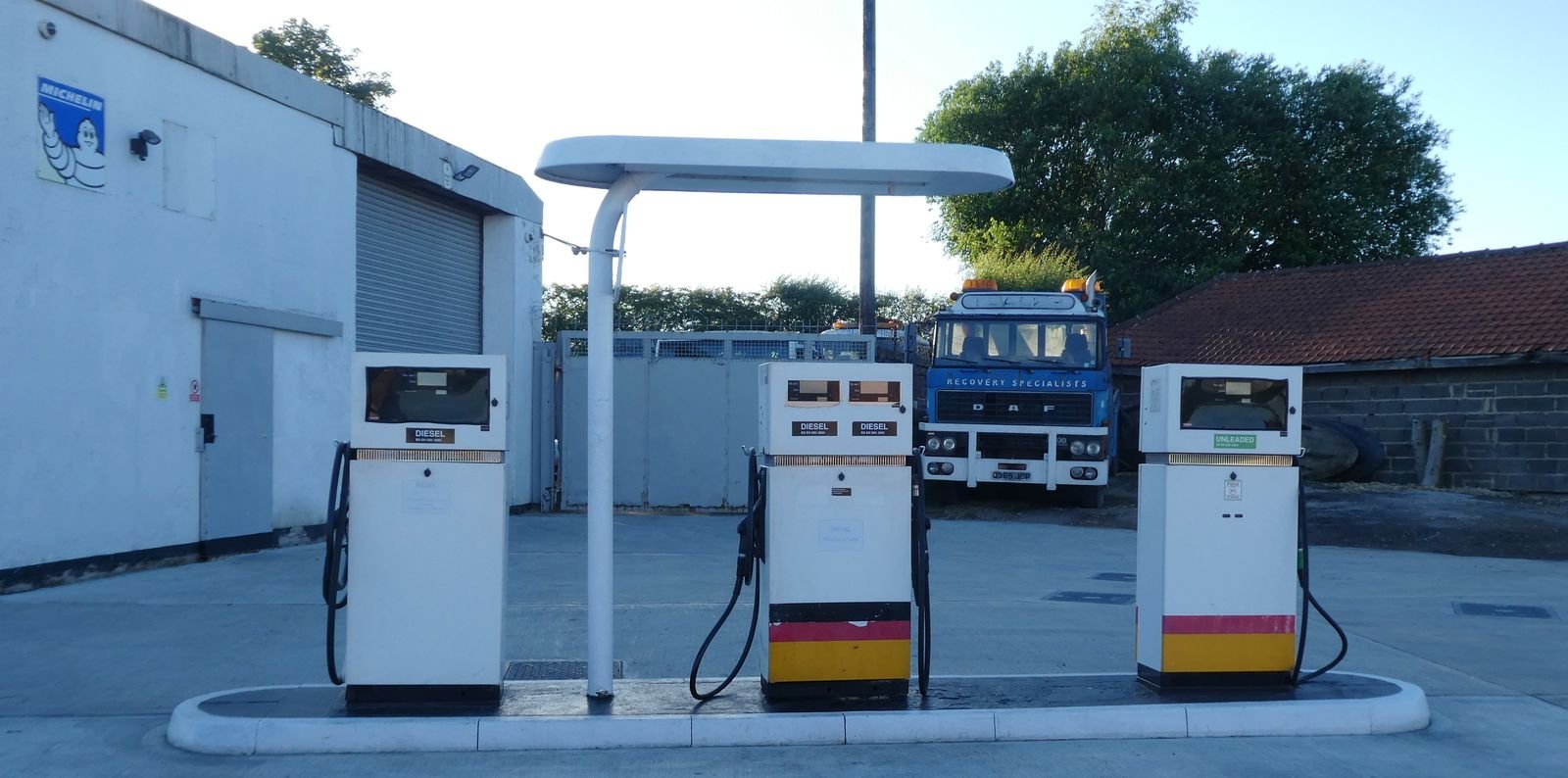
Fuel was once again the main force behind the increase. Motor fuel prices were 33.2 percent higher than a year earlier, the steepest annual jump since July 2022. Petrol rose by 5.2 pence a litre between September and October, taking the average price to 174.7 pence a litre, the highest since August 2022. Diesel climbed 7 pence a litre to 199.5 pence, the highest price since ONS records began 30 years ago.
"Inflation rose slightly in October, with fuel prices once again a major contributor to the increase in the annual rate," said Grant Fitzner, the ONS chief economist. He added that there were signs the higher oil prices were affecting the wider economy, with the cost of raw materials and of goods leaving factories continuing to climb.
Prices have surged in recent months because of the war between the United States and Iran, which has driven up global oil prices. The Bank of England raised interest rates for the first time in three years earlier this month, from 3.75 percent to 4 percent, and signalled a further rise could be likely unless the conflict in the Middle East is resolved. The Bank had forecast inflation of 3.7 percent for October and expects it to reach nearly 5 percent in the second quarter of 2027 because of higher energy prices.
There was some relief elsewhere in the figures. Food price inflation slowed to 0.8 percent on an annual basis, down from 1.2 percent the previous month, helped by cheaper fish and chocolate. Services inflation, a gauge of domestic price pressures watched closely by the Bank, held steady at 3.7 percent, and core inflation, which excludes energy, food, alcohol and tobacco, was unchanged at 2.8 percent. The pound slipped 0.2 percent after the data, to $1.3182, as traders pared bets on further Bank of England rate rises.