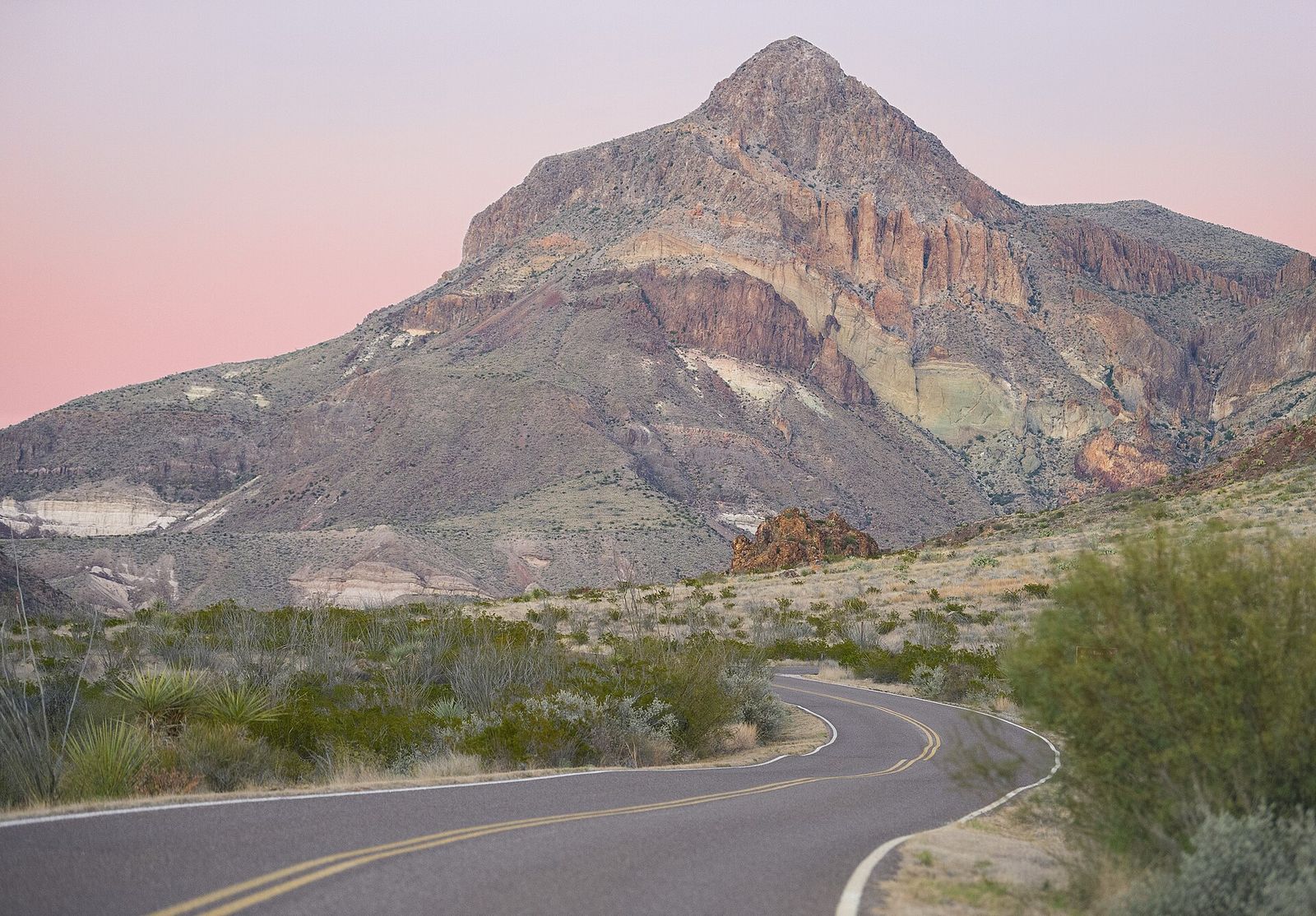
The U.S. Supreme Court on Monday gave President Donald Trump's administration the green light to proceed with construction of barriers along the U.S.-Mexico border in a remote region of West Texas that includes Big Bend National Park.
The court granted the administration's emergency request to lift an order by U.S. District Judge Kathleen Cardone in El Paso, who had blocked the project in October while a lawsuit against it plays out.
In a brief unsigned ruling, the court said the government's interest "outweighs any aesthetic, recreational and environmental harm alleged by respondents" and that the government was "exceedingly likely to prevail" on its argument that Cardone lacked jurisdiction under the 1996 Illegal Immigration Reform and Immigrant Responsibility Act.
The lawsuit was brought by the Center for Biological Diversity, a Big Bend-area river guide and a group seeking to preserve a historic church in Ruidosa, Texas, that says its fragile adobe structure is threatened by the construction. The plaintiffs challenged waivers issued by the Department of Homeland Security to fast-track construction of roads and barriers while sidestepping environmental and conservation laws.
Homeland Security Secretary Markwayne Mullin and his predecessor Kristi Noem issued the waivers between February and July after finding the region an "area of high illegal entry." The administration said most construction in the Big Bend sector, spanning more than 300 miles, will take place on privately owned land, while the national park would get a 17-mile noncontiguous vehicle barrier system rather than the 30-foot pedestrian barrier planned elsewhere.
Justice Ketanji Brown Jackson was the only justice to indicate she would have denied the government's request. The administration had paused construction in August after the project drew bipartisan criticism over its potential impact on the park's landscape and wildlife.
Cardone had noted that the Big Bend sector makes up more than a quarter of the U.S.-Mexico border but accounts for only 0.3 to 2.2 percent of migrant apprehensions. The ruling is temporary: construction may proceed while the underlying lawsuit continues.