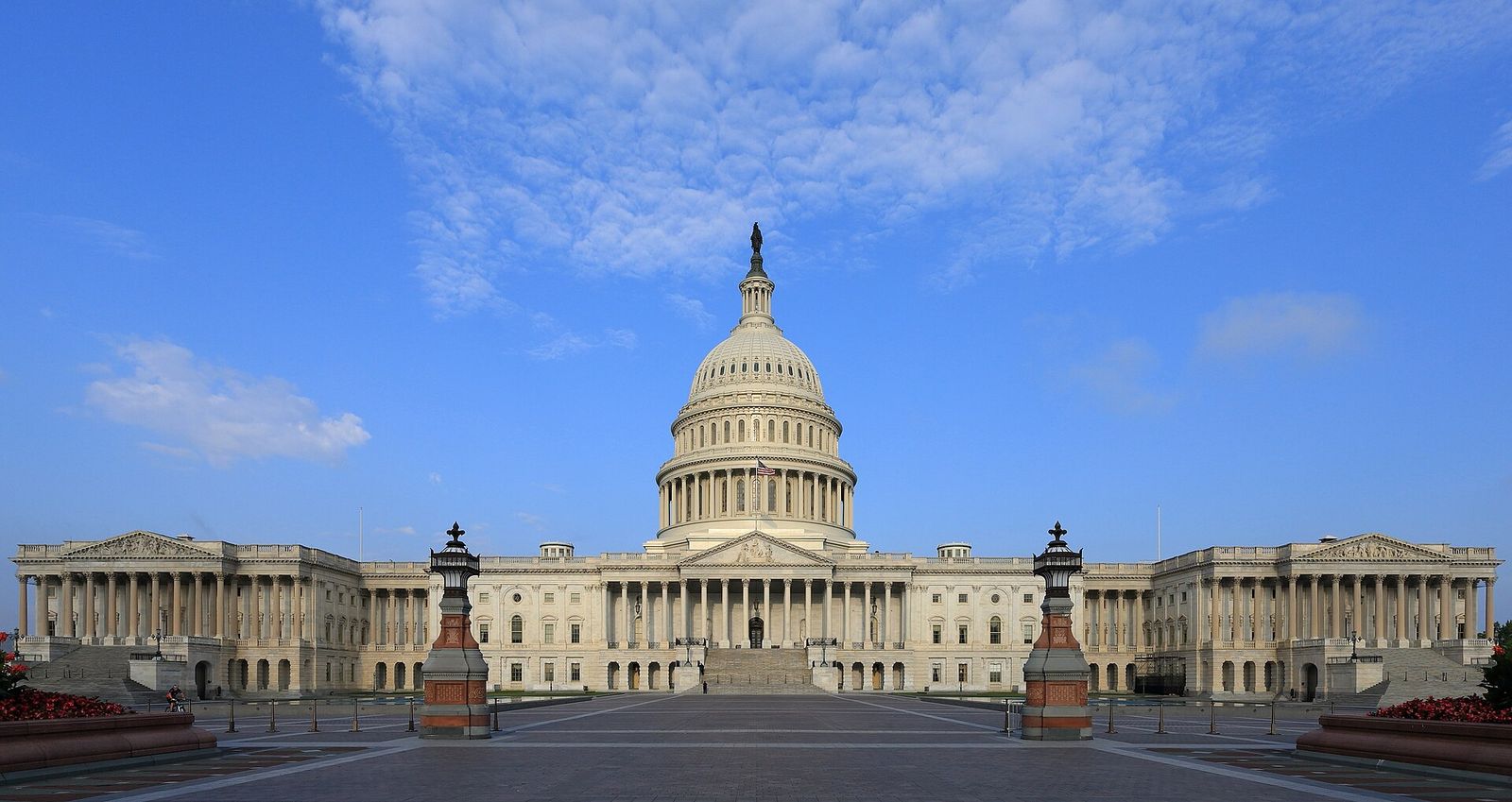
The Senate on Monday advanced bipartisan legislation aimed at speeding up permitting reviews for data centers and other infrastructure projects, in the first major action since last week's midterm elections.
The Senate voted 73-25 to formally take up the Bipartisan American Affordability and Jobs Act, clearing a 60-vote cloture hurdle on the motion to proceed. Fifty-one Republicans, 21 Democrats and one independent voted to advance the bill.
The legislation, known as BAAJA, would shorten the timeline for federal environmental reviews under the National Environmental Policy Act and other laws, speed approvals for power plants, transmission lines, mines and pipelines, and require large data centers to pay more of the costs of the grid upgrades needed to serve them.
The bill was introduced on September 30 by four senators who lead the chamber's energy and environment panels: Republicans Shelley Moore Capito of West Virginia and Mike Lee of Utah, and Democrats Sheldon Whitehouse of Rhode Island and Martin Heinrich of New Mexico. It was negotiated with the White House.
The vote marked an early test of whether the bill's Democratic sponsors could keep enough of their party aligned behind a measure opposed by some environmental groups and tribes but backed by labor unions and energy companies. The National Congress of American Indians on Monday urged Congress to halt consideration of the bill.
President Donald Trump has said he supports the legislation and said on November 8 that he would sign it if it reached his desk. The bill still faces a second cloture vote and a final Senate vote, and would then need approval in the House before becoming law. The current Congress ends in January 2027.
New modeling cited by supporters said the bill's provisions could reduce climate-warming emissions from the power sector by about 10 percent by 2035 and lower residential electric bills by $1.8 billion.