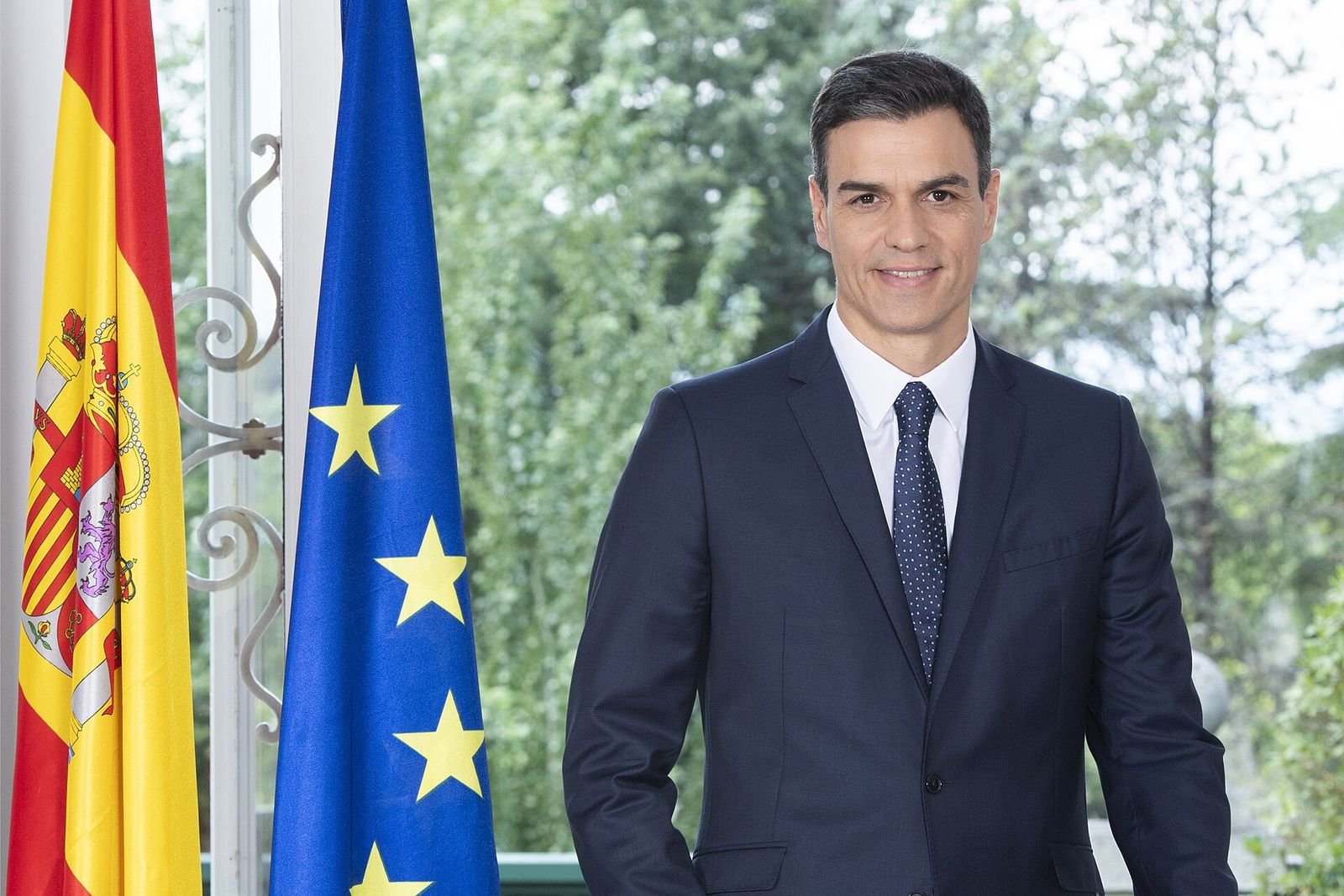
Spain's government has approved over €1.5 billion ($1.65 billion) in new welfare benefits in the past month and plans more before a snap election on November 29, in a last-minute spending push aimed at boosting its progressive credentials.
In the past month, the government has authorised some €820 million in support for vulnerable families, according to a Reuters summation of costs published on the government's website. Prime Minister Pedro Sánchez's Socialist-led government is trailing in most polls and fighting for votes after eight years in power.
The measures illustrate a growing strategy by the government in the absence of sufficient parliamentary support to pass a new budget since 2023: spending by decrees that Congress can halt but not retroactively undo.
A polling average compiled by Spanish outlet Demócrata on November 11 put the opposition People's Party on 31.5 per cent and the Socialists on 26.8 per cent. The conservatives and the far right are favourites to win the election, after a term in which Sánchez's government has been buffeted by corruption scandals, a migrant crisis and rail disasters that left 115 people dead.
"This progressive coalition government is demonstrating… that it is possible to achieve both economic growth and redistribution," Sánchez said in an interview with Spanish channel Telecinco on Monday when asked about the spending. Political analyst Eduardo Bayon said the measures could help mobilise voters who would otherwise abstain by strengthening the Socialists' narrative as the party protecting the vulnerable.
Sánchez called the snap election on October 5 after parliament rejected two of his housing decrees. Brazilian President Luiz Inácio Lula da Silva visited Madrid on Monday and told Sánchez it was "very important" he wins the election, warning of the risk posed by the right. A joint campaign rally planned for the same day was called off after Lula lost his voice.