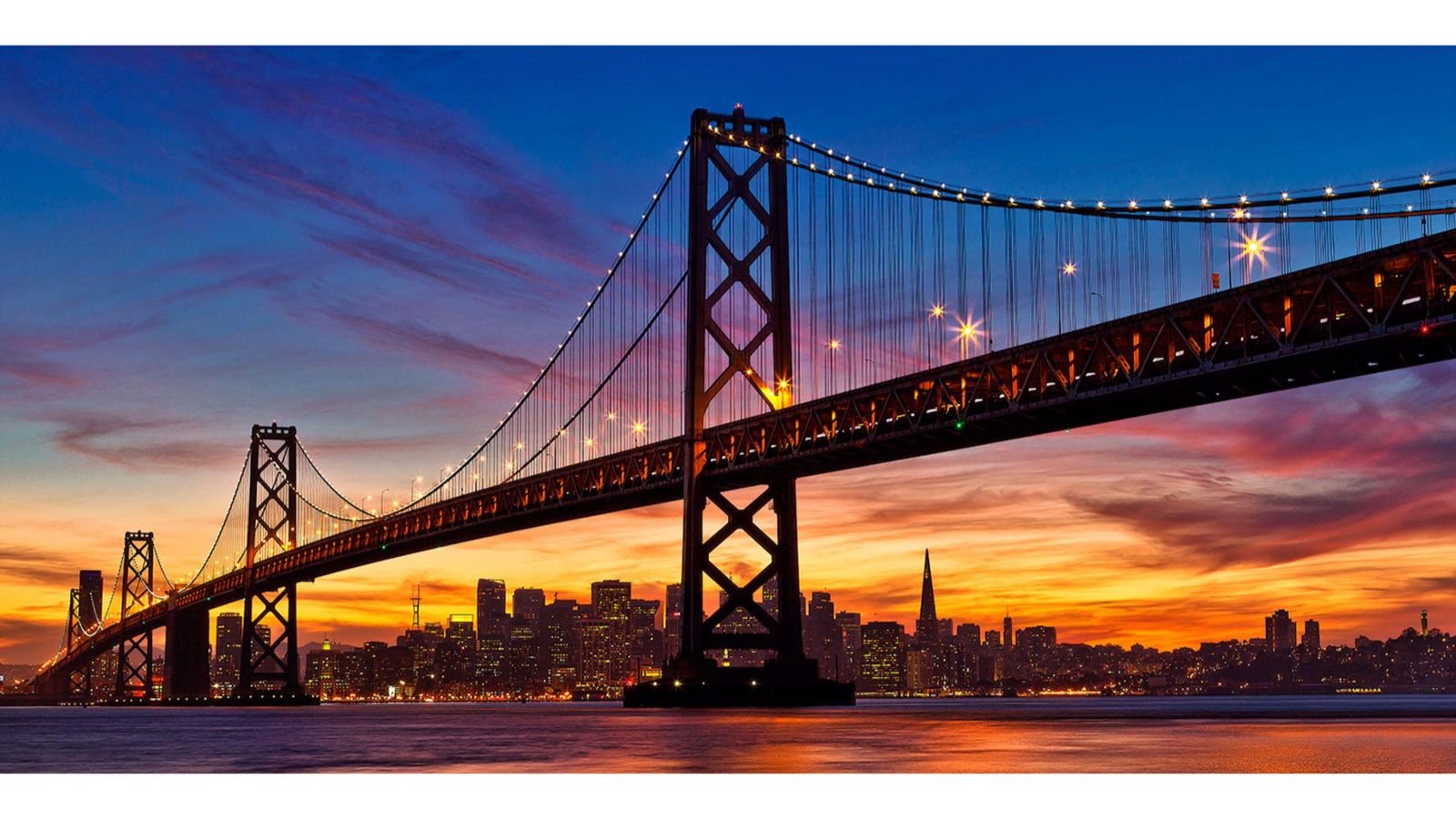
San Francisco is enjoying an artificial-intelligence boom that is reviving its downtown and lifting local businesses, but AI workers in the city are warning that the sector may be overheating and that a market crash is possible, the BBC reported.
Leading AI firms OpenAI and Anthropic, which have been hiring top engineering talent on high salaries, are based in the city, and Anthropic, the company behind the Claude chatbot, listed last week on New York's Nasdaq stock exchange, according to the report. Thousands of other AI start-ups have also sprung up in San Francisco, with soaring rents and house prices, falling office vacancies, and buses and billboards plastered with AI adverts.
The International Monetary Fund last month warned that a significant downward correction in AI share prices and a big fall in investment were possible, the BBC reported. Concerns have continued amid wider AI stock falls linked to the scandal surrounding Jensen Huang, the former boss of Nvidia, although Nvidia reported on Wednesday that its latest quarterly profits had doubled from a year earlier to $65 billion.
One AI worker at one of the city's largest companies told the BBC he was certain "the house of cards will come down" and that it would affect him, questioning whether leading US AI companies can generate enough revenue to justify their spending as cheaper models emerge, especially from China. Another San Francisco AI worker said a significant market correction was "totally possible."
One study found that 60% of all venture capital invested in US AI firms from 2023 to 2025 went to companies located in San Francisco, dwarfing the share given to Silicon Valley, according to the report. Yet AI companies are employing relatively few workers compared with previous tech booms, and the city remains about 35,000 jobs shy of its pre-pandemic peak, estimates Enrico Moretti, an economics professor at the University of California, Berkeley.
Moretti warned that a significant correction could still be "very painful" for San Francisco, with less hiring and potential layoffs rippling through restaurants, retail and personal services, and office vacancies rising. Ted Egan, the city's chief economist, said he did not expect a crash to fundamentally alter the city's trajectory, calling a slowdown primarily a hiccup rather than a major course correction, as healthcare and tourism also grow.