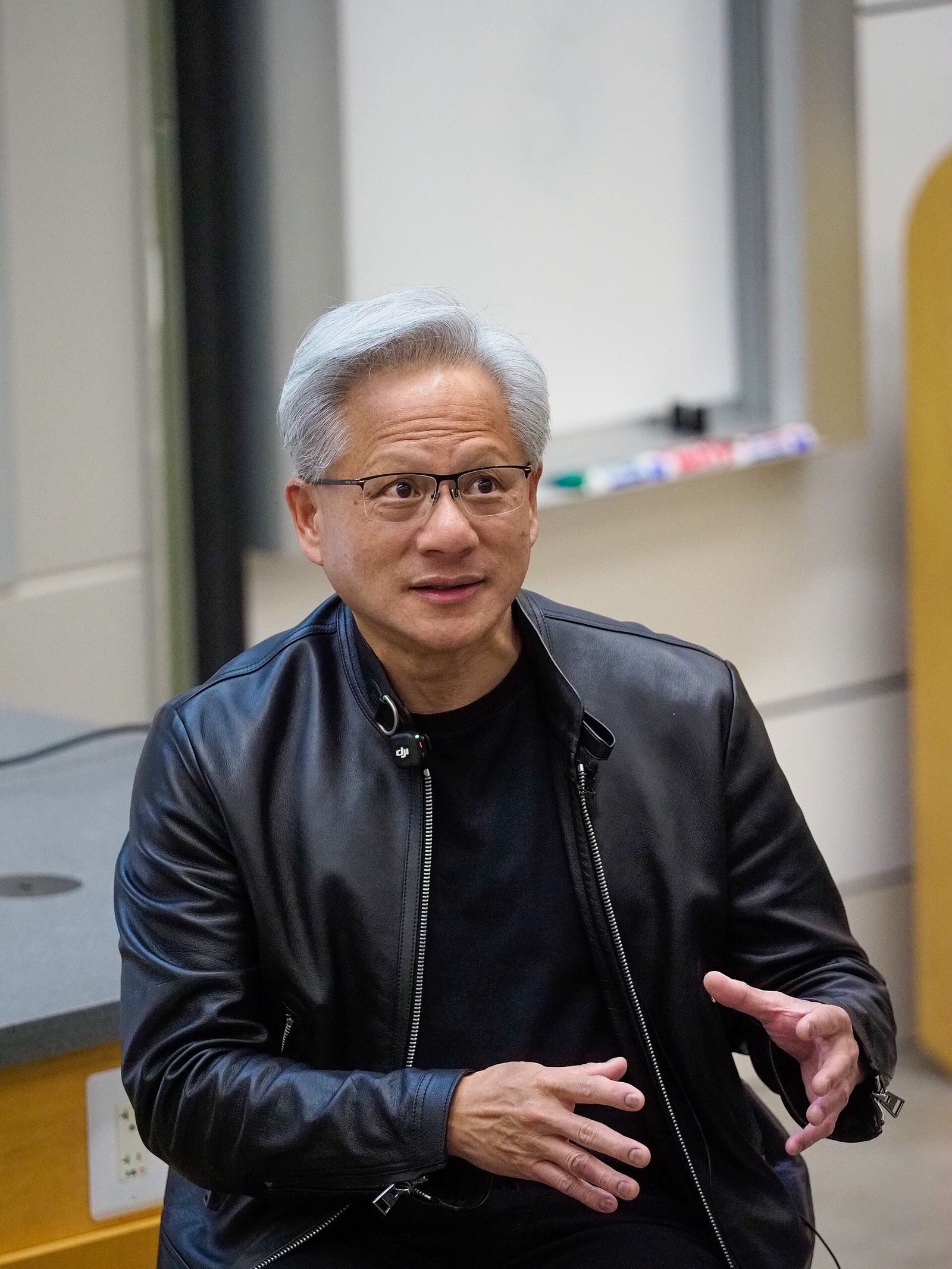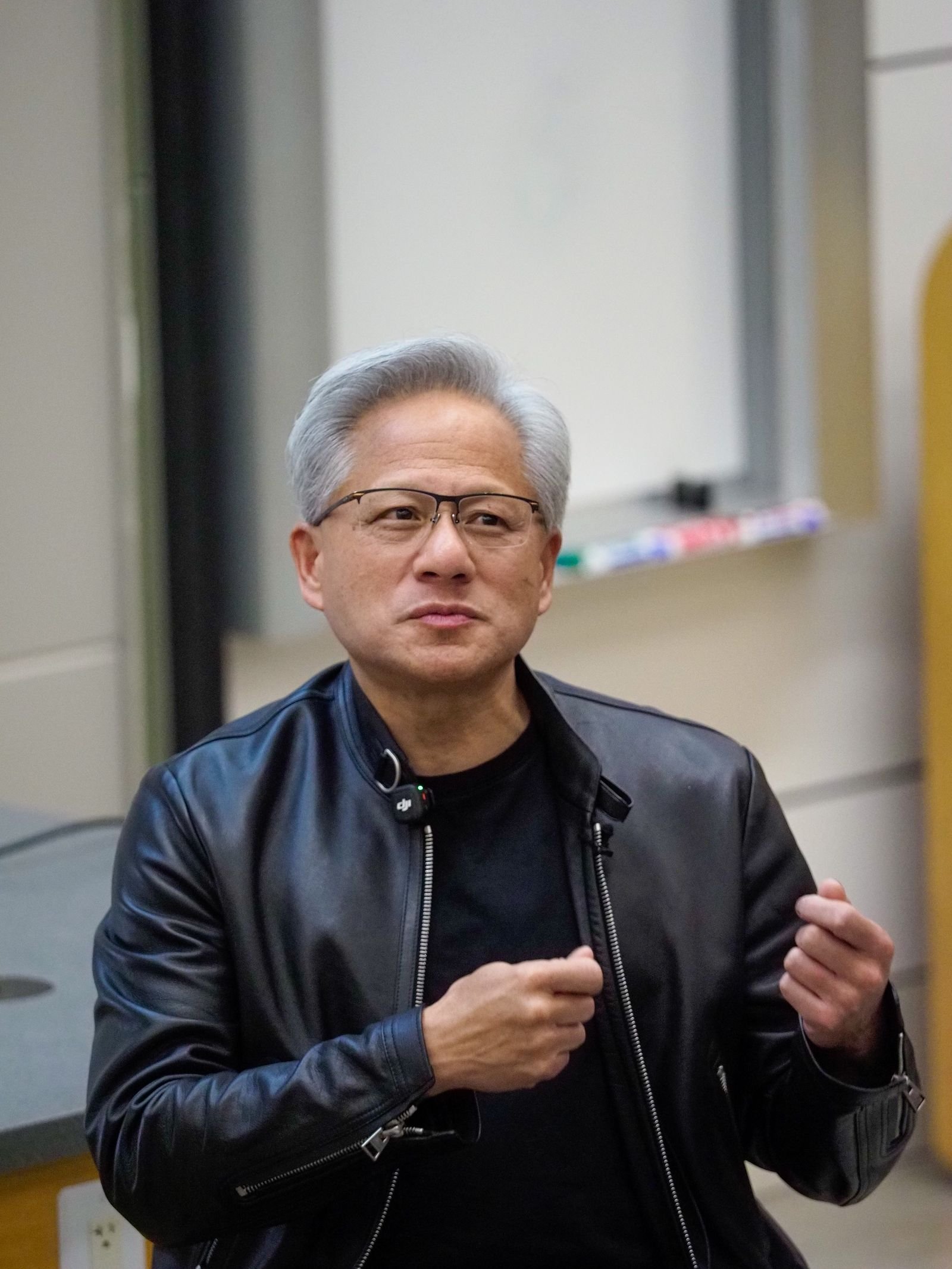
Three parallel investigations are now closing in on Nvidia chief executive Jensen Huang, as the chipmaker's board hired a former Manhattan federal prosecutor to lead its own inquiry, the FBI opened a separate probe, and House Republicans set a deadline of today for Huang to agree to testify — or face a subpoena.
On Tuesday, the independent members of Nvidia's board said they had retained Joon H. Kim, a former acting U.S. Attorney for the Southern District of New York, and his firm Wachtell, Lipton, Rosen & Katz to conduct a "thorough and independent investigation" into whether Huang was targeted in a Chinese intelligence operation. The board first announced the inquiry on Sunday, saying it had no reason to believe company secrets or national security had been compromised, but that it would examine all available information. Huang will remain chief executive and has agreed to cooperate.
Kim, 55, is a white-collar defense and investigations lawyer who served as an assistant U.S. attorney in Manhattan from 2000 to 2006 and became acting U.S. Attorney in March 2017, after President Donald Trump fired Preet Bharara. He prosecuted the Fyre Festival fraud case and joined Wachtell from rival firm Cleary Gottlieb earlier this month. For a company whose market value is measured in trillions of dollars, the hire signals that the board wants the review to look credible to regulators, lawmakers and investors.
The allegations center on Alice Huang, also known as Huang Le, a former executive at Singapore-based data company Megaspeed whom U.S. intelligence officials have determined was gathering information for Beijing. Huang, who co-founded Nvidia, has acknowledged having a romantic relationship outside his marriage. In an internal message to staff on Sunday, he said he had been "unfaithful" to his wife and wrote, "There is no excuse for what I did." The message did not name Alice Huang. On Monday, Huang apologized at a closed-door executive meeting at the company's Santa Clara headquarters but took no questions from senior staff, CNBC reported.
Megaspeed is also a major Nvidia customer: according to the New York Times, it bought more than $4.8 billion worth of Nvidia chips over the past two years. China has rejected the claims. Foreign Ministry spokesperson Guo Jiakun called the "Chinese spy" narrative a groundless accusation, slander and a smear.
Federal investigators are running a separate track. On Monday, Trump said the FBI was looking into the matter and that he believed Huang would "be in good shape." Trump told reporters he had spoken to Huang, who said he had no idea the woman was a spy. CNN reported on Tuesday that Secretary of State Marco Rubio briefed Trump aboard Air Force One in May about intelligence indicating Huang was in a relationship with a potential Chinese spy.
Congress is pressing separately. Three committee chairmen — Brian Mast of Foreign Affairs, John Moolenaar of the Select Committee on the Chinese Communist Party, and Rick Crawford of Intelligence — asked Huang to attend a closed joint briefing on November 18 and said he must accept or offer alternative dates by November 11. Mast told ABC: "If Mr. Huang doesn't respond by the 11th, we're prepared to issue a subpoena." Representative Seth Magaziner, a Rhode Island Democrat, has called for Commerce Secretary Howard Lutnick to testify alongside Huang.
The legal exposure is growing. A shareholder filed a proposed class action in California on Monday accusing Nvidia and Huang of misleading investors in their disclosures, and Nvidia shares closed down more than 4 percent that day. The company reports third-quarter results on November 17, the day before the requested congressional briefing — so management will face analysts' questions about China exposure and leadership before it is clear whether Huang will appear before the committees. The allegations remain unproven, and the board's investigation is ongoing.