Iran has said it will not reopen the strategically important Strait of Hormuz or resume negotiations with the United States until Washington accepts seven conditions proposed by Tehran, raising fresh uncertainty over efforts to end the conflict in West Asia.
Parliament Speaker Mohammad Bagher Ghalibaf, who is also Iran's chief negotiator, said in an interview with Al Jazeera on November 11 that Tehran had communicated its demands to Washington through intermediaries and was awaiting a formal response. He warned President Donald Trump against restarting military action against Iran, saying the United States would face another defeat if it chose to resume the war.
The reported conditions include lifting American economic sanctions, releasing frozen Iranian assets, ending the U.S. naval blockade of Iranian ports and providing compensation for damage caused during the conflict. According to reports citing The Associated Press, Tehran's proposal envisages reopening the strait on the sixth day after Washington fulfils its demands, with negotiations on a comprehensive agreement beginning the following day. Iran has not publicly released a complete, official list of all seven conditions.
Separately, Iran's top security official, Mohsen Rezaei, secretary of the Supreme National Security Council, said no negotiations were currently taking place between Tehran and Washington. In an interview with Lebanon's Al Mayadeen television on Wednesday, Rezaei warned that Iran could target American military installations outside the Middle East if they were used to launch attacks against Iranian territory. "If American aircraft take off from an American military base, even one located in a European country or some other distant region, to bomb Iran, we will strike those bases as well," he said. In a post on X, he added: "NO SAFE DISTANCE. NO SAFE HAVEN. NO IMMUNITY."
Rezaei also said Tehran would not surrender its enriched nuclear material and warned against further U.S. strikes. The United States has widened its campaign to choke off Iran's military supply networks, extending pressure beyond the Strait of Hormuz to the country's land borders and the Caspian Sea, U.S. Central Command said.
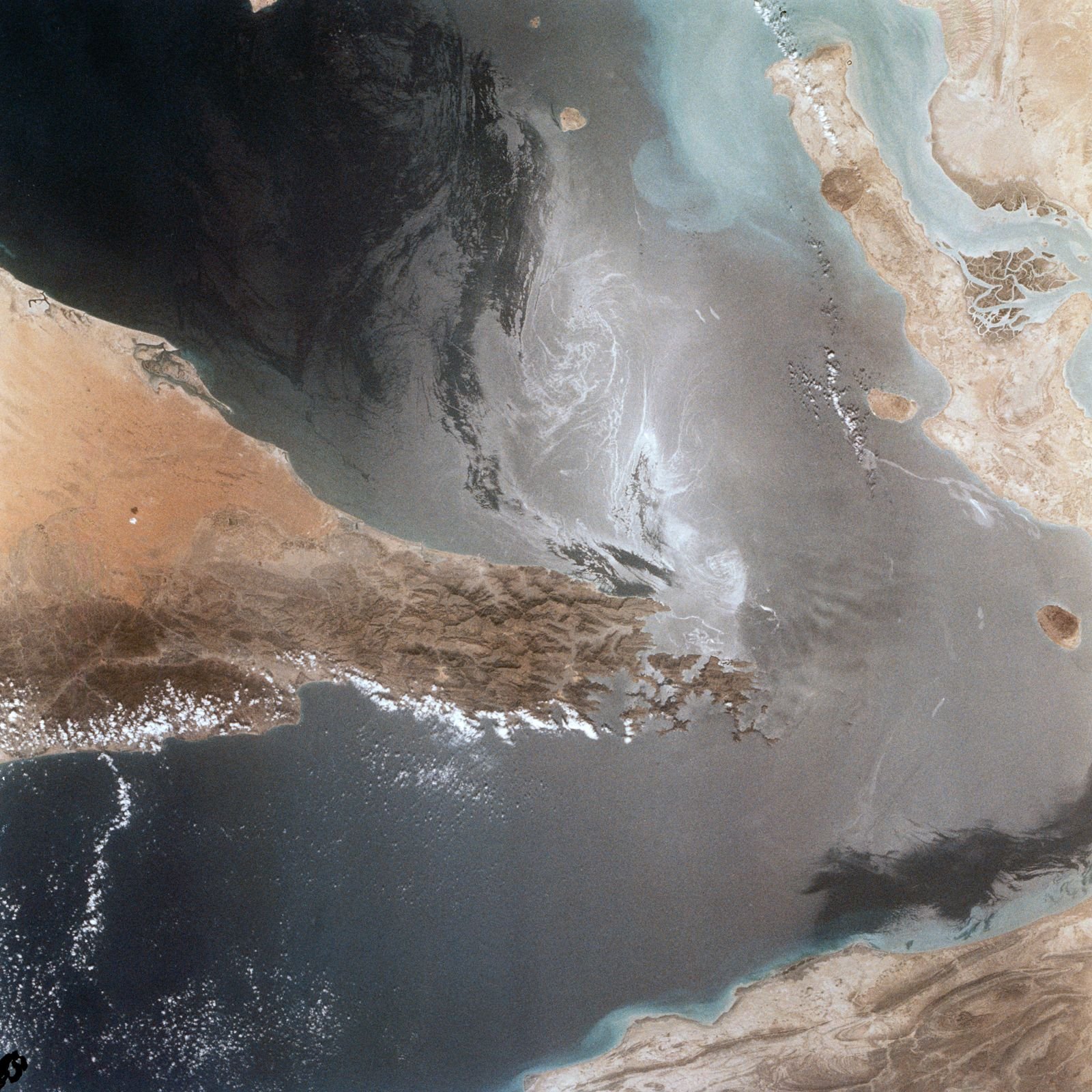
The strait remains central to the dispute because about one-fifth of the world's oil normally passes through it. Since the war began in late February, Iran has heavily restricted traffic through the waterway, insisting vessels use routes it authorises, while the United States has imposed a naval blockade on Iranian ports and helped tankers travel the strait. Iran's army said on Wednesday that an oil tanker had struck a mine and caught fire in the strait.
U.S. Secretary of State Marco Rubio rejected Iran's demand for war reparations after a meeting of Group of Seven foreign ministers in Paris on Tuesday, saying Tehran should instead pay compensation because it had "destabilised the region." "They're demanding pallets of cash, which the president has made clear is not going to happen," Rubio said.