President Donald Trump's administration wants to sell public lands to states, tribes and local governments as part of an effort to "decrease the size of the federal estate," according to a new five-year strategic plan presented by the Interior Department.
Agency officials said selling federal property would allow the government to focus resources on "nationally significant" lands, which were not defined. They offered no details on what parcels could be sold, nor the scope or location of potential sales. The plan also calls for land transfers and exchanges to support greater energy production, a centrepiece of the administration's pro-fossil-fuel policies.
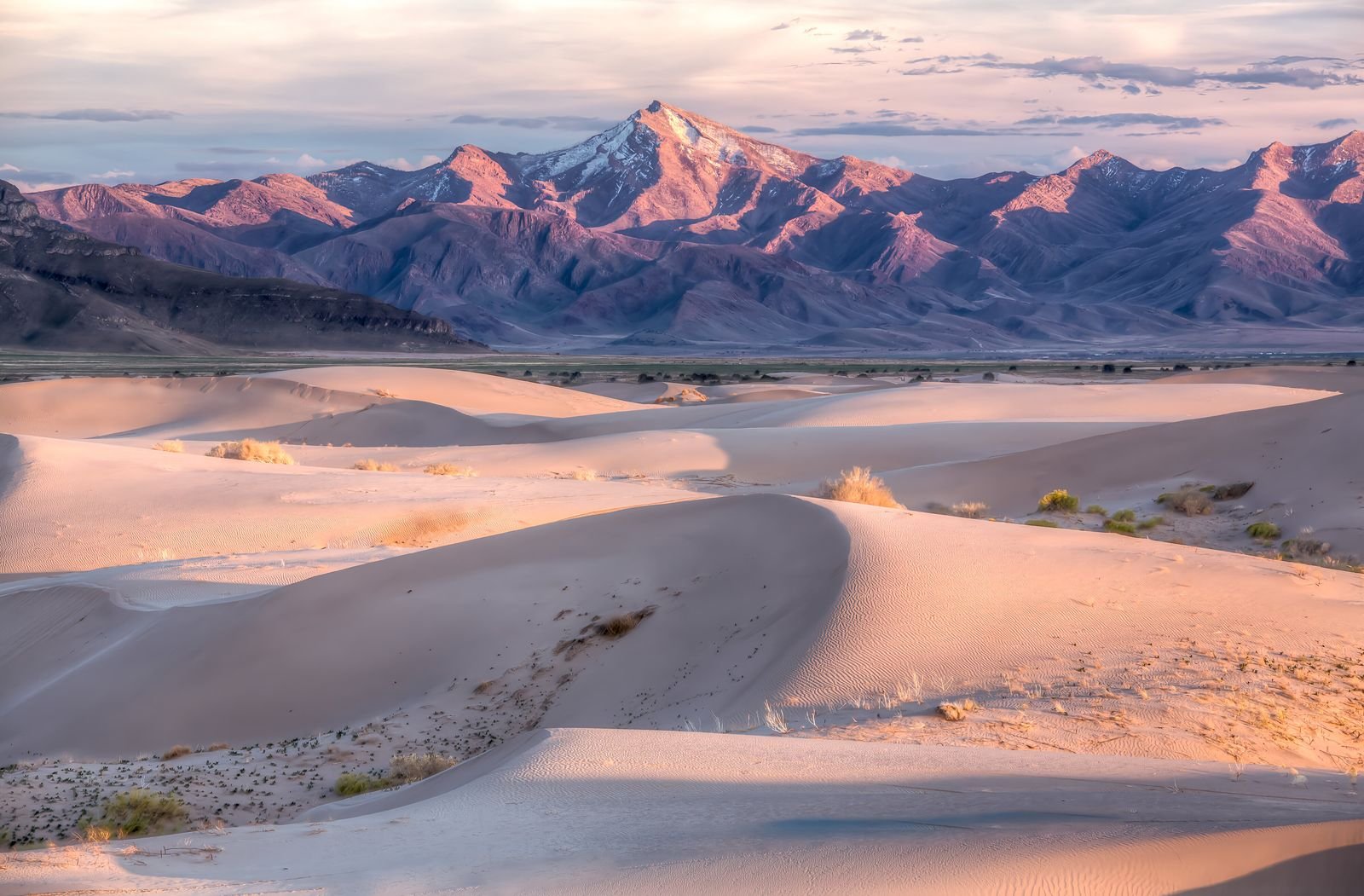
The Interior Department oversees more than 1.9 million square kilometres of land — an area greater than Texas and California combined — along with vast underground mineral reserves. Most public lands are in Western states; in Nevada, for example, almost 80 per cent of the land is under federal control. The department regulates mining, drilling, grazing, recreation and other activities, and includes the Bureau of Land Management, the National Park Service, the Fish and Wildlife Service and the Bureau of Indian Affairs.
The proposal drew quick pushback from some lawmakers, including Trump's former Interior secretary, Republican Representative Ryan Zinke, whose office said he "remains firmly opposed to the sale or transfer of public lands" and would vote against any legislation on the issue before leaving Congress after this term. The ranking Democrats on the House and Senate natural resources committees — buoyed by their party's success in last week's midterm elections — pledged to fight any land sales.
Democratic Senator Martin Heinrich of New Mexico said federal lands "belong to the American people, not private interests looking to cash in." Democratic Representative Jared Huffman of California said Democrats would resist the move, adding: "Americans love their public lands and sent a clear message last week: the Trump administration's schemes to auction off our treasured resources and silence opposition must stop now."
It is uncertain whether Interior Secretary Doug Burgum can achieve the administration's goals without cooperation from Congress. Federal law puts significant constraints on public land sales, said Mark Squillace, a professor of natural resources law at the University of Colorado Law School: land cannot be sold if it is under protected status, and a sale must be deemed appropriate under criteria including land that is uneconomic to manage or where a sale would "serve important public objectives, including but not limited to, expansion of communities and economic development." The plan sets out a road map for 2026 to 2030, and future administrations would not be bound by it. Similar efforts failed before: last year, Utah Republican Senator Mike Lee suggested selling more than two million acres in Utah and Nevada, a proposal that collapsed amid bipartisan opposition.